Charlotte Relocation Guide
Your move to Charlotte, figured out.
Your next chapter starts in the Queen City. Here is everything you need to move to Charlotte with confidence, from real cost-of-living numbers to the neighborhoods locals actually recommend.
People move to Charlotte for the jobs, the weather, the lower cost of living, and a pace of life that still feels Southern. We are The Finigan Group, a Charlotte real estate team, and we help families relocate here every week. This guide is the same advice we give our own clients. Read it top to bottom, or jump to the section you need.
MAKE YOUR MOVE TO CHARLOTTE WITH CONFIDENCE.
DOWNLOAD our RELOCATION GUIDE.
Explore the area


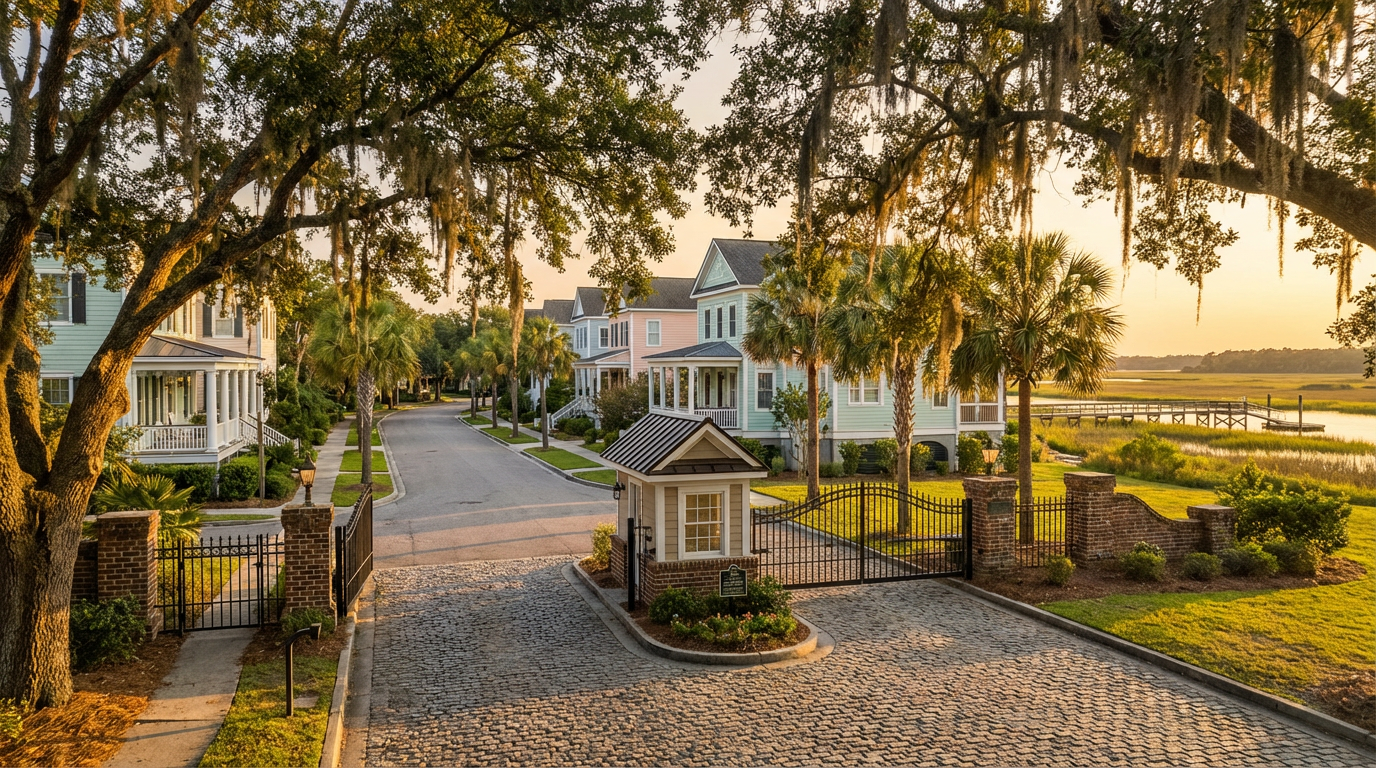



Why People Are Moving to Charlotte
Charlotte is one of the fastest-growing major cities in the country. The city has grown past 900,000 residents, and the surrounding metro is home to more than 2.7 million people. It keeps drawing newcomers for a few clear reasons.
It is a financial powerhouse. Charlotte is the second-largest banking center in the United States after New York. That means a deep, diverse job market and steady population growth.
It is more affordable than the cities people are leaving. Buyers coming from the Northeast, California, or Florida are often surprised by what their money buys here.
It has real seasons without harsh winters, quick access to both the mountains and the coast, and a food, sports, and outdoors scene that has caught up with the city's growth.
If you are weighing a move, the rest of this guide breaks down exactly what to expect.
Cost of Living in Charlotte
Charlotte's overall cost of living sits a few percent below the national average, and housing is the main reason. Here is what the typical newcomer is looking at as of early 2026.
Home prices. The median home price in Charlotte is around $425,000. That puts it close to the national median, though it runs well below comparable metros like Atlanta, Washington, D.C., or anywhere in California. Prices range widely by area, from the low $300,000s in parts of University City and the outer suburbs to well over $1 million in Myers Park, Eastover, and on Lake Norman.
Rent. Expect roughly $1,300 a month for a one-bedroom and around $1,580 for a two-bedroom, with higher numbers in South End and Uptown and lower numbers farther out.
Property taxes. Mecklenburg County's effective property tax rate is about 0.75 percent of value, which works out to roughly $2,700 a year on a median-priced home. That is below the national average and a fraction of what high-tax states charge.
State income tax. North Carolina has a flat income tax of 3.99 percent in 2026, scheduled to drop to 3.49 percent in 2027. For anyone coming from a high-tax state, that alone can be a meaningful raise.
Sales tax. The combined sales tax in Charlotte is about 7.25 percent.
Groceries and utilities land close to national averages. The big swing is housing and taxes, which is where most people coming from pricier markets feel real relief.
Want a personalized number? Use our home search to see current listings in any neighborhood, or contact us for a breakdown based on your budget.
The Best Charlotte Neighborhoods
Charlotte is a city of distinct neighborhoods. Here are the ones we recommend most, grouped by who tends to love them. For a deeper look at any area, see our full Charlotte neighborhoods guide.
Uptown. Charlotte's downtown core. High-rise condos and apartments, walkable to offices, stadiums, museums, and nightlife. Best for professionals who want to skip the commute entirely.
South End. Just south of Uptown along the light rail. Breweries, restaurants, rooftop bars, and new apartments and townhomes. The top pick for young professionals.
NoDa. The arts district. Murals, music venues, indie coffee shops, and a tight community feel. Creative and a little eclectic.
Plaza Midwood. Historic bungalows, an independent streak, and some of the city's best food. Popular with people who want character close to Uptown.
Dilworth. Tree-lined streets, classic early-1900s homes, and a short hop to Uptown. A favorite for those who want walkability with charm.
Myers Park and Eastover. Charlotte's most prestigious in-town neighborhoods. Grand homes, mature canopy, and top schools. Higher price tags to match.
SouthPark. Upscale shopping, dining, and a mix of luxury condos and established homes. Convenient and polished.
Ballantyne. A planned community in the far south with corporate offices, golf, and family-friendly housing. Suburban feel inside the city limits.
University City. Anchored by UNC Charlotte, with newer homes, a light rail connection, and some of the most accessible prices in the city. Strong for first-time buyers and investors.
The Best Charlotte Suburbs
Many families relocating to Charlotte choose the suburbs for the space, the schools, and the value. See our complete Charlotte suburbs guide for the full rundown, and our lake life guide if water access is on your list.
Lake Norman towns (Huntersville, Cornelius, Davidson). North of the city on North Carolina's largest lake. Waterfront living, strong schools, and the charming college town of Davidson. About 25 to 40 minutes to Uptown.
Matthews and Mint Hill. Southeast of the city. Small-town feel, good schools, and an easy commute. Reliable family value.
Waxhaw, Weddington, and Marvin. Union County, south of Charlotte. Larger lots, newer homes, and some of the most sought-after public schools in the region.
Fort Mill and Indian Land, SC. Just over the South Carolina line. Lower taxes, excellent schools, and rapid growth. A top choice for families who do not mind crossing the state border.
Concord and Harrisburg. Northeast near the Charlotte Motor Speedway. More affordable, family-friendly, and growing fast.
Belmont. West of the city near the Catawba River. A walkable historic downtown with a real sense of community.
Schools in Charlotte
Charlotte-Mecklenburg Schools (CMS) is one of the largest districts in the country, serving roughly 140,000 students. The district runs a strong magnet program, so families have options beyond their assigned school. Several suburban districts, especially in Union County (Waxhaw, Weddington) and in Fort Mill, SC, are consistently rated among the best in the region.
For private education, well-regarded options include Charlotte Latin, Charlotte Country Day, Providence Day, and Charlotte Christian.
For higher education, the area is home to UNC Charlotte, Queens University of Charlotte, Davidson College, and Central Piedmont Community College.
School assignment can change which homes make sense for your family. We are happy to map listings to specific schools, just reach out.

Jobs and the Economy
Charlotte's economy is anchored by banking and finance, but it is far more diverse than that reputation suggests. Major employers in and around the city include Bank of America (headquartered here), Truist, Wells Fargo's East Coast hub, Duke Energy (headquartered here), Honeywell (headquartered here), Atrium Health, and Lowe's just up the road in Mooresville.
Beyond finance, the region has growing strength in healthcare, energy, technology, logistics, and advanced manufacturing. The combination of corporate headquarters, a major airport, and steady in-migration keeps the job market healthy and the talent pool deep.
Things to Do in Charlotte:
Charlotte's culture and recreation have grown right alongside its population.
Pro sports. The Carolina Panthers (NFL), Charlotte Hornets (NBA), and Charlotte FC (MLS) all play Uptown. Add the Charlotte Knights (baseball) and Checkers (hockey), plus the NASCAR Hall of Fame and Charlotte Motor Speedway nearby.
Food and drink. A serious restaurant scene, the Optimist Hall food hall, and dense clusters of breweries in South End and NoDa.
Arts and culture. The Mint Museum, the Bechtler, the Harvey B. Gantt Center, Discovery Place, and a busy live-music calendar.
The outdoors. The U.S. National Whitewater Center, a growing greenway network, and three lakes (Norman, Wylie, and Mountain Island) for boating and waterfront living. The Blue Ridge Mountains and Asheville are about two hours away, and the coast is roughly three and a half to four hours east.


Charlotte Weather and Climate:
Charlotte has a humid subtropical climate, which means four real seasons without brutal winters. Summers are warm and humid, spring and fall are long and pleasant, and winters are mild with only occasional light snow. It is a big draw for people leaving harsh Northern winters, and it makes spring and early fall the easiest times to plan a move.
Getting Around Charlotte:
Charlotte Douglas International Airport (CLT) is one of the busiest airports in the country and a major American Airlines hub, so direct flights are easy to find. On the ground, Interstates 77 and 85 cross in Charlotte, with the I-485 loop circling the metro. The LYNX Blue Line light rail connects UNC Charlotte through Uptown to South End and the south side, which is part of why neighborhoods along that line are so popular.
A car is still the default for most of the metro, especially in the suburbs. In Uptown and South End, many residents get by with light rail, walking, and the occasional rideshare.

Your Charlotte Moving Checklist
A smooth move comes down to timing. Here is the sequence we walk our relocating clients through.
-
Set your budget, get pre-approved with a lender, and start narrowing neighborhoods. Schedule a visit if you can.
-
Tour homes (in person or by video), make your shortlist, and get serious about your offer strategy with your agent.
-
Book movers (spring and early fall fill up fast), and start sorting and decluttering.
-
Set up utilities, transfer or establish medical and school records, and submit a change of address.
-
Confirm the moving company, do a final walkthrough, and plan your first-days essentials.
We help relocating buyers manage every step of this from out of state, including video tours and local market guidance.
Move to Charlotte With a Local Team
A relocation guide gets you started. A local team gets you home. We have helped countless families relocate to Charlotte, and we know the neighborhoods, the schools, and the market block by block.
Start your home search now. When you are ready, meet our team and get in touch. Your move to Charlotte starts here. Download our free Charlotte Relocation Guide Today:
Charlotte Relocation FAQ
Is Charlotte a good place to live?
Yes. Charlotte regularly ranks among the best places to live in the country thanks to its strong job market, cost of living below that of comparable metros, mild four-season weather, and quick access to both mountains and coast. It is one of the fastest-growing cities in the United States.
How much does it cost to live in Charlotte, NC?
Charlotte's overall cost of living is a few percent below the national average, mainly because of housing. As of early 2026, the median home price is around $425,000, a one-bedroom rents for roughly $1,300, the effective property tax rate is about 0.75 percent, and North Carolina's flat state income tax is 3.99 percent.
What is the average home price in Charlotte?
The median home price in Charlotte is around $425,000 as of early 2026. Prices range from the low $300,000s in the outer suburbs and University City to well over $1 million in areas like Myers Park, Eastover, and on Lake Norman.
What are the best neighborhoods in Charlotte?
Popular Charlotte neighborhoods include Uptown and South End for professionals, NoDa and Plaza Midwood for character and nightlife, Dilworth and Myers Park for classic charm, and Ballantyne and University City for family-friendly value.
What are the best suburbs of Charlotte?
Top Charlotte suburbs include the Lake Norman towns of Huntersville, Cornelius, and Davidson; Waxhaw and Weddington in Union County; Fort Mill and Indian Land in South Carolina; and Matthews and Mint Hill to the southeast. Families often choose them for the schools, space, and value.
What is the job market like in Charlotte?
Charlotte is the second-largest banking center in the United States and home to major employers including Bank of America, Truist, Duke Energy, Honeywell, and Atrium Health. The economy is also strong in healthcare, energy, technology, and logistics.
How are the schools in Charlotte?
Charlotte-Mecklenburg Schools serves about 140,000 students and runs a large magnet program. Suburban districts in Union County and Fort Mill, SC, are among the highest rated in the region, and there are strong private options like Charlotte Latin, Charlotte Country Day, and Providence Day.
What is the weather like in Charlotte?
Charlotte has a humid subtropical climate with four mild seasons. Summers are warm and humid, spring and fall are long and pleasant, and winters are mild with only occasional light snow.
Do you need a car in Charlotte?
In most of the metro, yes, especially in the suburbs. In Uptown and South End, many residents rely on the LYNX Blue Line light rail, walking, and rideshare instead.
How do I start my move to Charlotte?
Download our free Charlotte Relocation Guide, browse current listings on our home search, and contact The Finigan Group. We help buyers relocate from out of state with video tours and local market guidance.