Charlotte is one of the fastest-growing cities in the country, and that growth is mostly a good thing. It also creates real strain. Understanding the city's biggest issues helps you decide where to live and what to expect from daily life here.
Here are the challenges Charlotte residents talk about most, with the context behind each one.

Traffic and Roads
Traffic is the complaint you will hear first. As the population has surged, the road network has struggled to keep up. The main arteries, I-77, I-85, and the I-485 loop, get congested during morning and evening rush hours, and a quick trip to a nearby suburb can take far longer than the map suggests.
The average Charlotte commuter loses dozens of hours a year to delays, and more than a third of North Carolina's major roads have been rated poor or mediocre. The city is investing in lane expansions and bridge projects, but for now, planning your home around your work corridor matters more than almost anything else.

Public Transit and Walkability
Charlotte is a car-dependent city. The Charlotte Area Transit System runs buses and the LYNX Blue Line light rail, but the routes are limited, and most residents outside the urban core rely on a car for nearly everything.
Walkability is low by big-city standards, with a walk score near the bottom among large U.S. cities. Mixed-use neighborhoods like South End, Dilworth, and Fourth Ward are the exceptions where you can live with less driving. Everywhere else, plan on owning a vehicle.
Housing Costs and Property Taxes
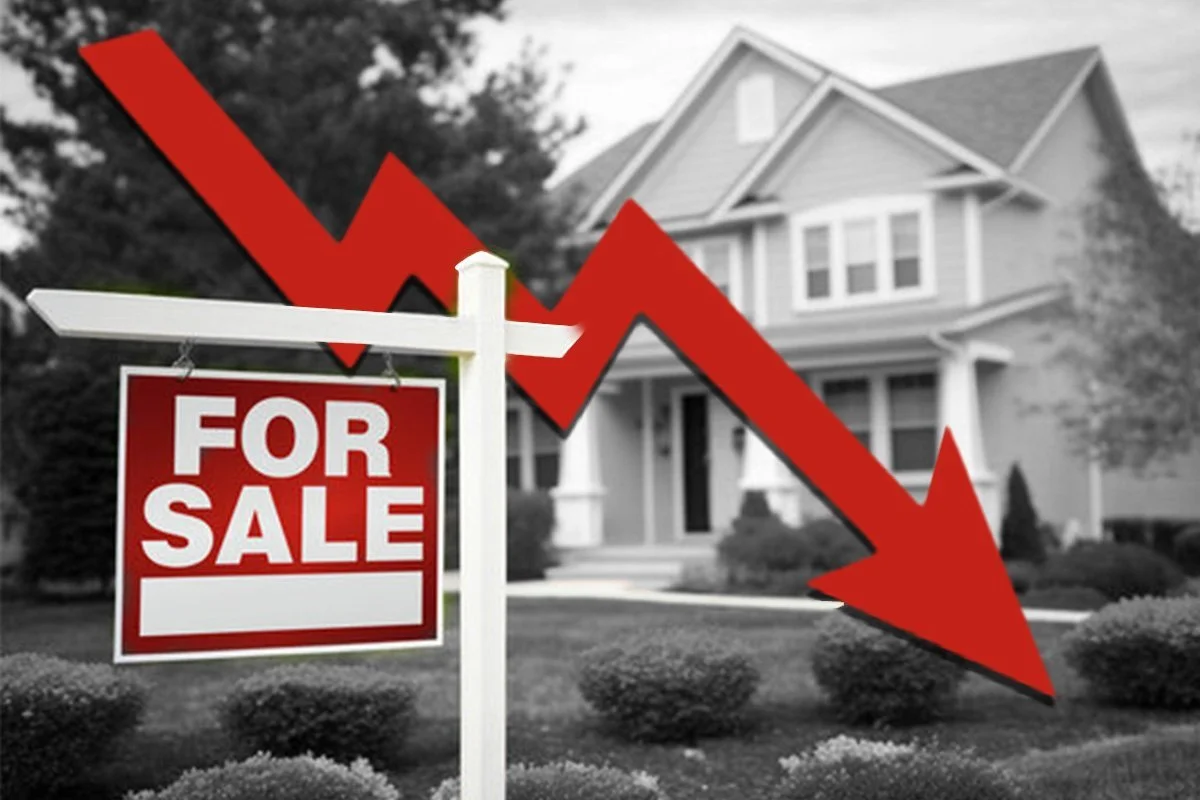
Charlotte is still affordable compared with many large metros, but prices have climbed quickly. Popular neighborhoods like South End, Dilworth, and Plaza Midwood have seen some of the fastest growth, and longtime residents increasingly feel priced out as demand pushes values up.
Rising home values also mean rising property tax bills after revaluations. The city remains a relative bargain next to coastal or Northeastern cities, but the gap is narrowing, and affordability is a genuine concern for many families.

Crime
Like any large city, Charlotte has neighborhoods with higher crime, and citywide figures run above the national average. Property crime, including vehicle theft, has been a particular challenge in some areas.
There is also encouraging news. Charlotte-Mecklenburg Police reported overall crime and violent crime both falling in recent reporting periods. Safety varies a lot by ZIP code, so researching the specific neighborhood matters more than the citywide number.

Growth and Infrastructure
Charlotte ranks among the cities adding the most residents each year, with hundreds of new arrivals every day. That growth fuels the economy, but it also strains schools, roads, and public services, and it fills the skyline with constant construction.
The city feels like it is in transition, with old and new mixing on almost every block. For some that energy is a draw. For others, the constant change and the pressure on infrastructure are a real downside.

Summer Heat and Storms
Charlotte's winters are mild, but summers are hot and humid, with temperatures regularly in the 90s. The humidity can make outdoor activity uncomfortable from July into August.
The region also sees occasional severe storms and the remnants of hurricanes that track inland, which can bring heavy rain and localized flooding. None of this is extreme by Southern standards, but it is worth planning for.
Don’t take our word for it
See what our clients say:
We’re Social! Lets Connect:
Find out how much your home's worth
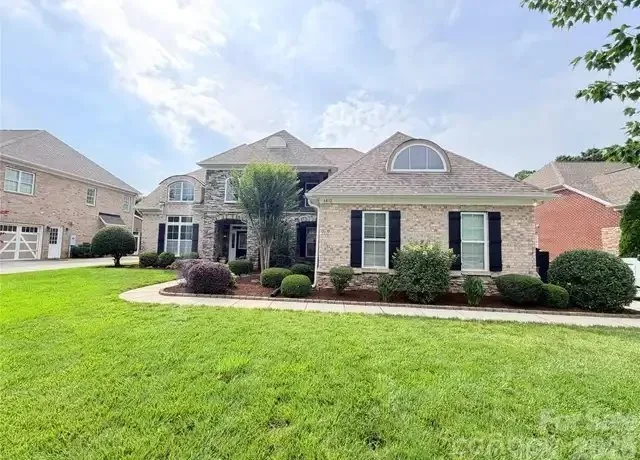
Use our home value estimator to get a free, instant home-value estimate.
Enter your address
Is this the correct address?
Who should we send the report to?
We're pulling comps for your home right now. Let us know where to send your personalized analysis.
Where should we send your custom report?
We'll email a detailed CMA and comparable sales analysis.
You're all set, friend!
* This is a rough estimate of your home's value. We'll be in touch shortly to gather a few more details so we can provide a more in-depth and accurate equity evaluation in today's market.

Thinking About Moving
to Charlotte?
Make your move easier with our Free Charlotte Relocation Guide. Get insider details on neighborhoods, schools, commute times, cost of living, local hotspots, and more — all in one helpful guide.
Click below to access your free relocation guide and start exploring Charlotte like a local.
Download NowThe Bottom Line
Charlotte's biggest issues mostly trace back to one root cause: it is growing faster than its infrastructure can keep up. Traffic, limited transit, rising costs, and strained services are the price of being one of the most popular places to move in the country.
The good news is that the upsides are just as real, including a strong job market, a friendly feel, and easy access to both mountains and beaches. The key is choosing the right neighborhood for your commute, budget, and lifestyle.
If you want help finding the part of Charlotte that fits you best, reach out anytime. Use the home value tool to see what your current home is worth, and we will help you plan a smart move.
Let’s Connect Today!

Phone:
704-200-9833

Email:
info@thefinigangroup.com

Visit Us:
3440 Toringdon Way, ste 205
Charlotte NC 28277
