A home inspection is the single best few hundred dollars you will spend in the entire homebuying process. It is your one structured chance to learn what you are actually buying before you are committed, and in North Carolina's due diligence system, timing it right matters.
Here is exactly how to get a home inspection, from booking the right inspector to using the report at the negotiating table.
What a Home Inspection Is, and Is Not
A home inspection is a visual examination of a home's condition by a licensed professional. The inspector evaluates the major systems and components, roof, structure, foundation, electrical, plumbing, HVAC, windows, insulation, and more, and documents defects, safety issues, and items nearing the end of their life.
It is not a pass-fail test, an appraisal, or a guarantee. Every home, including new construction, comes back with a list. The inspection's job is to tell you what is on that list so you can decide what it means for your price, your repairs, and your decision to move forward.

How to Find and Book an Inspector
In North Carolina, home inspectors are licensed by the state, so start by confirming any candidate holds an active license. From there, look for strong recent reviews, sample reports you can actually read, and experience with your home's type and age, a 1950s ranch and a new townhome fail in different ways. Your agent will have a short list of inspectors they trust, which is one of the quiet advantages of good representation.
Book immediately once you are under contract. Your due diligence period is a fixed window, good inspectors get busy, and you want time after the inspection to get contractor quotes and negotiate if the report turns something up.
What Happens During the Inspection
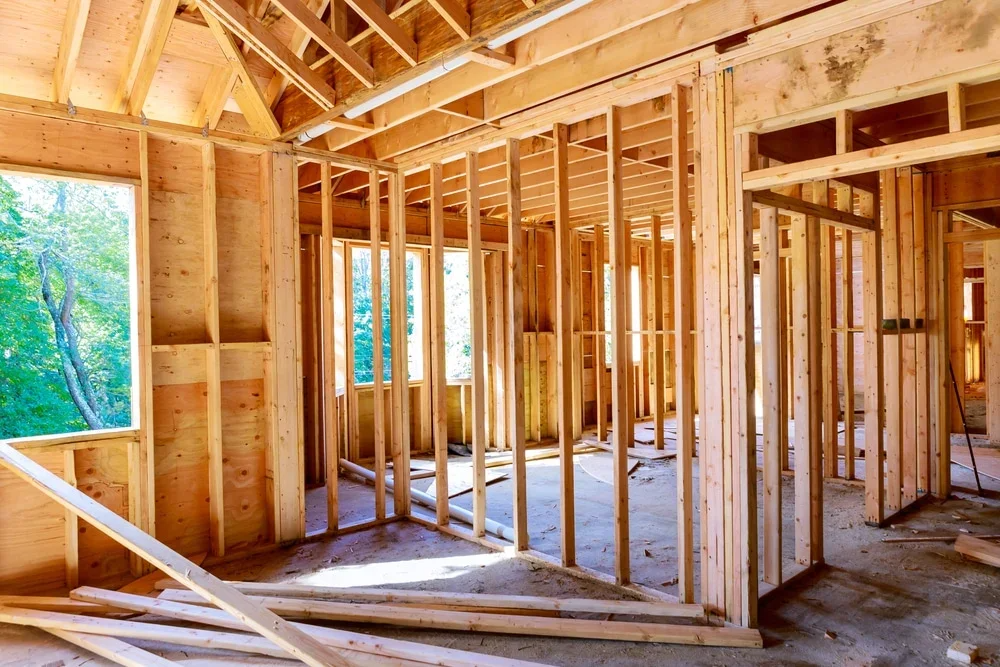
A typical inspection runs a few hours depending on the home's size. The inspector works from roof to foundation: exterior and grading, roof and gutters, attic and insulation, every accessible room, plumbing fixtures, the electrical panel, and the heating and cooling equipment. They test what can be safely operated and photograph what they find.
Go if you can, at least for the final walkthrough of findings. Seeing issues in person, and hearing which ones are routine versus serious, is worth far more than reading about them cold in a PDF that evening.
How to Read the Report
The report will be long, and that is normal. Sort the findings into three buckets. Safety and structural issues, things like electrical hazards, active leaks, foundation movement, or a failing roof, deserve your full attention and usually professional quotes. Aging systems, like an HVAC unit or water heater near the end of its expected life, are budgeting information. Everything else, the loose doorknobs and drippy faucets, is routine maintenance.
Do not let the sheer count of items scare you off a good house, and do not let a clean-looking summary lull you past a serious finding buried on page nine. Read the whole thing, then talk it through with your agent.
Negotiating After the Inspection
The report is negotiating power, used well. In North Carolina, your due diligence window is when you can negotiate repairs, a price reduction, or a credit at closing, or walk away if the findings are serious enough. Focus your requests on the significant items, backed by contractor estimates where you can get them. Sellers respond better to a short, documented list than a demand to fix everything.
Credits are often cleaner than repairs, because you control the contractor and the quality afterward. Your agent will know which approach fits the deal and the market you are in.
Don’t take our word for it
See what our clients say:
We’re Social! Lets Connect:
Find out how much your home's worth
Use our home value estimator to get a free, instant home-value estimate.
Enter your address
Is this the correct address?
Who should we send the report to?
We're pulling comps for your home right now. Let us know where to send your personalized analysis.
Where should we send your custom report?
We'll email a detailed CMA and comparable sales analysis.
You're all set, friend!
* This is a rough estimate of your home's value. We'll be in touch shortly to gather a few more details so we can provide a more in-depth and accurate equity evaluation in today's market.

Thinking About Moving
to Charlotte?
Make your move easier with our Free Charlotte Relocation Guide. Get insider details on neighborhoods, schools, commute times, cost of living, local hotspots, and more — all in one helpful guide.
Click below to access your free relocation guide and start exploring Charlotte like a local.
Download NowSpecialty Inspections Worth Considering
Depending on the home, add-ons can be money well spent: a termite and pest inspection, radon testing, a sewer line camera scope on older homes, a pool inspection, or a specialist HVAC or structural evaluation if the general inspection flags a concern. Your inspector and agent will tell you which apply.
If you are buying in the Charlotte area, The Finigan Group will connect you with licensed inspectors we trust and guide you through the due diligence window from booking to negotiation. Reach out when you are ready, and if you have a home to sell first, the home value tool on this page is the place to start.
Let’s Connect Today!

Phone:
704-200-9833

Email:
info@thefinigangroup.com

Visit Us:
3440 Toringdon Way, ste 205
Charlotte NC 28277
