Why We Beat Opendoor's Cash Offer by $75,000

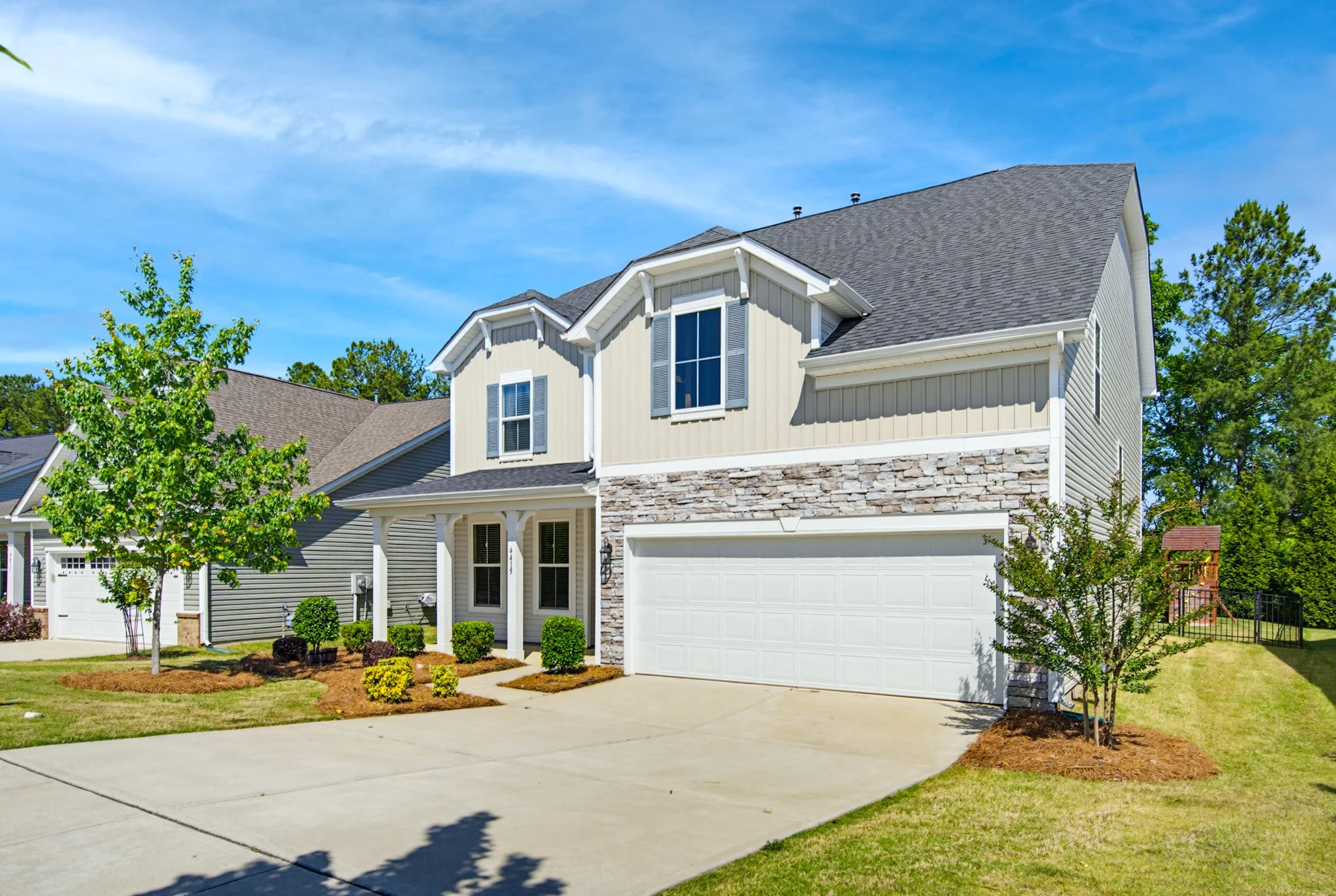
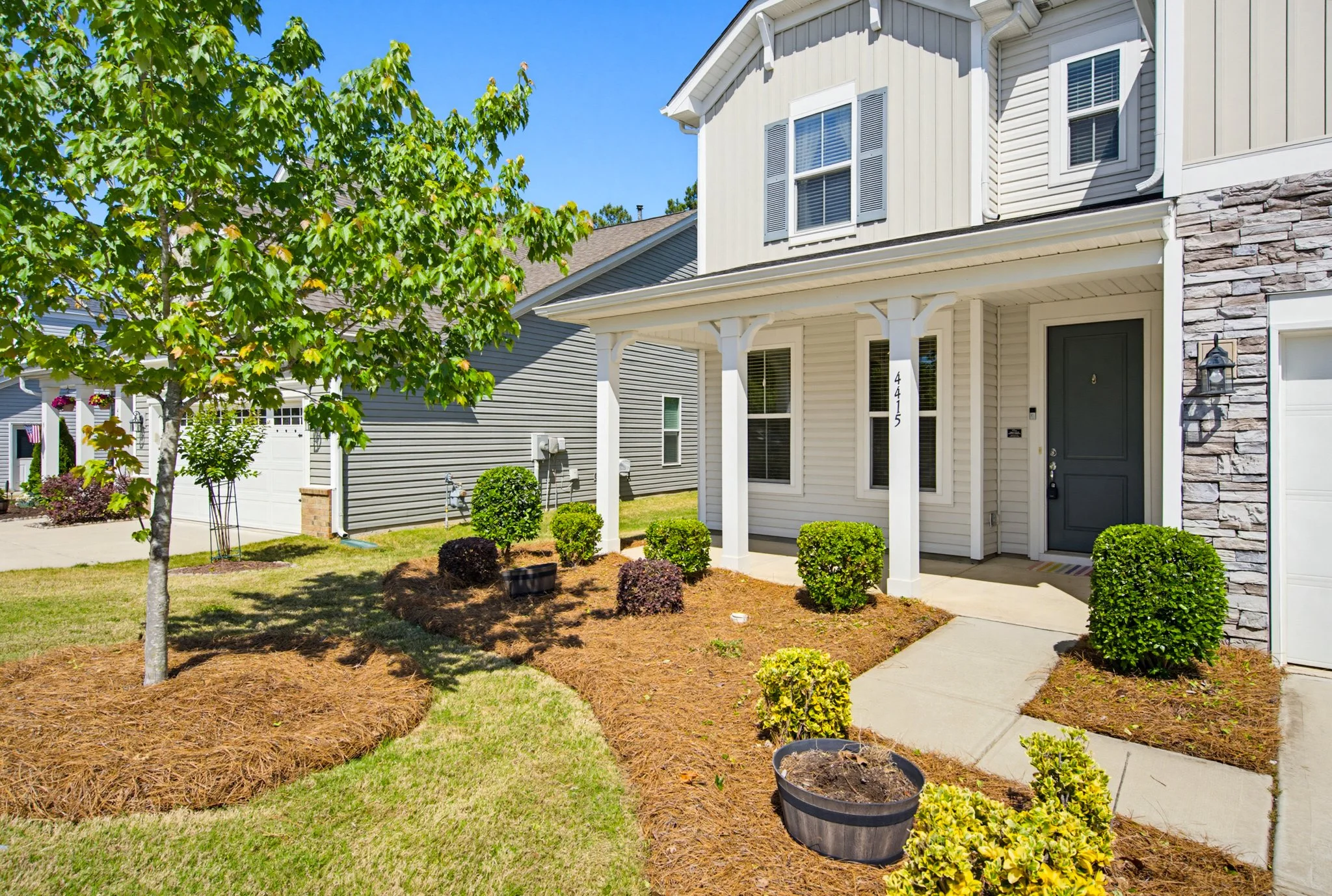
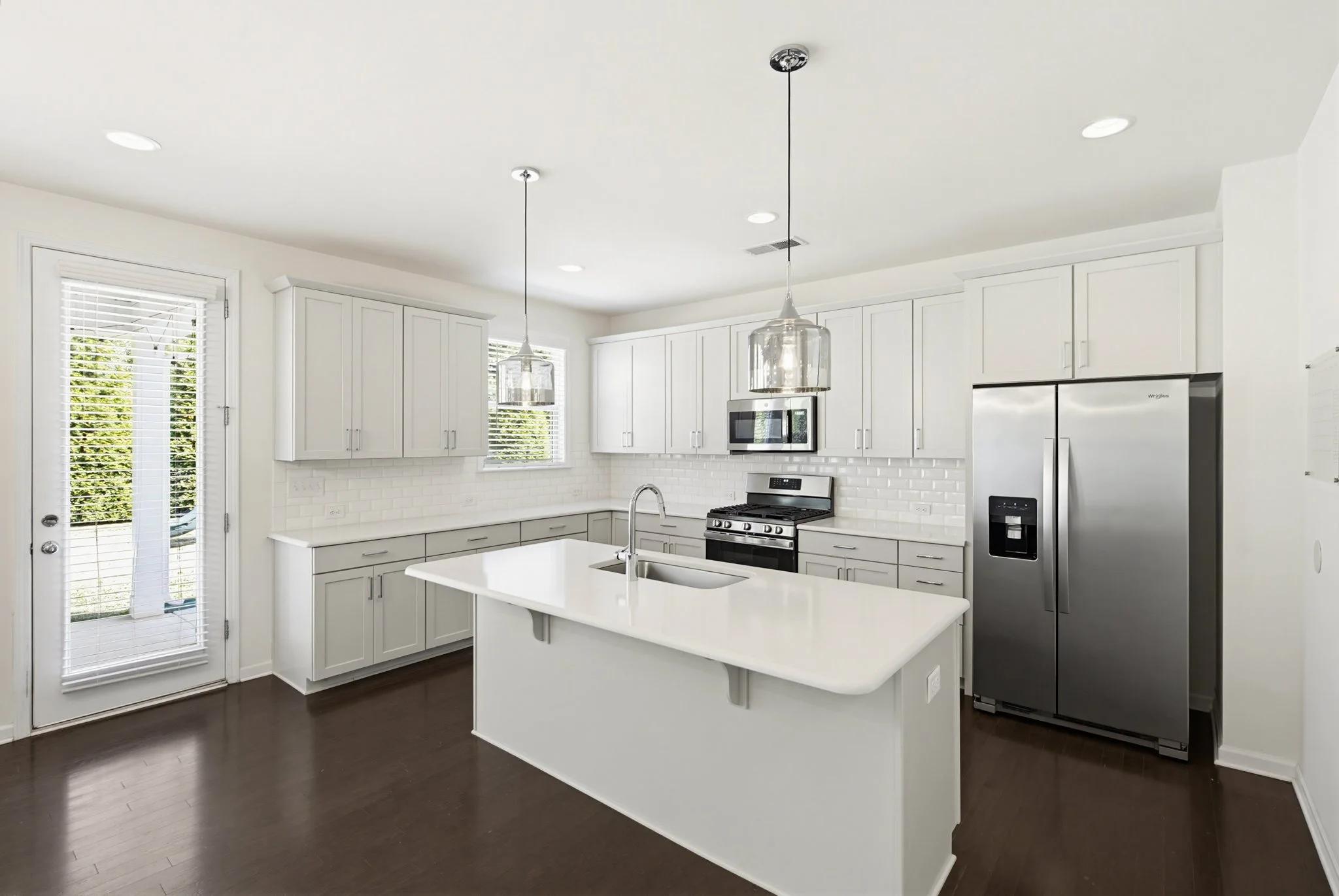
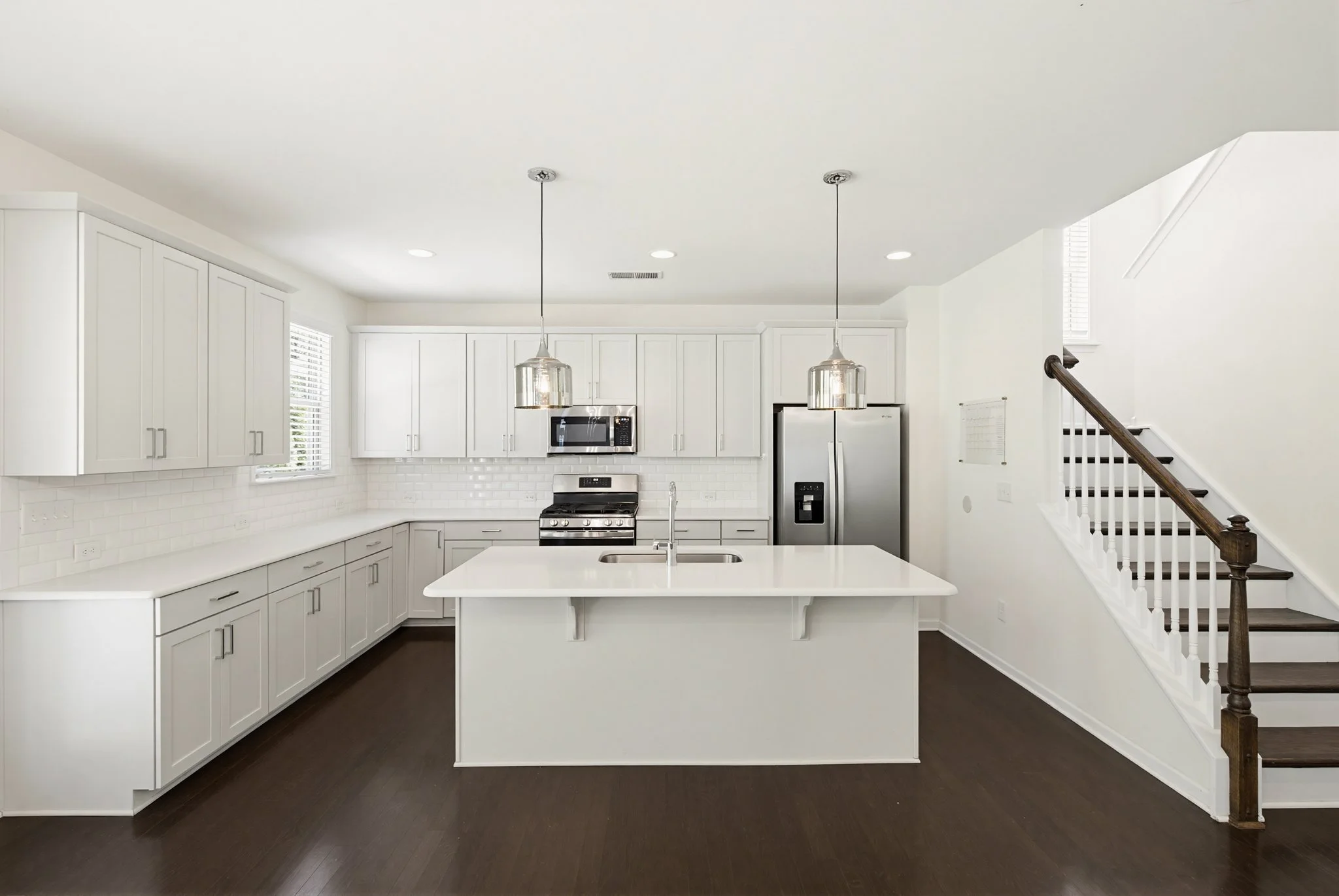
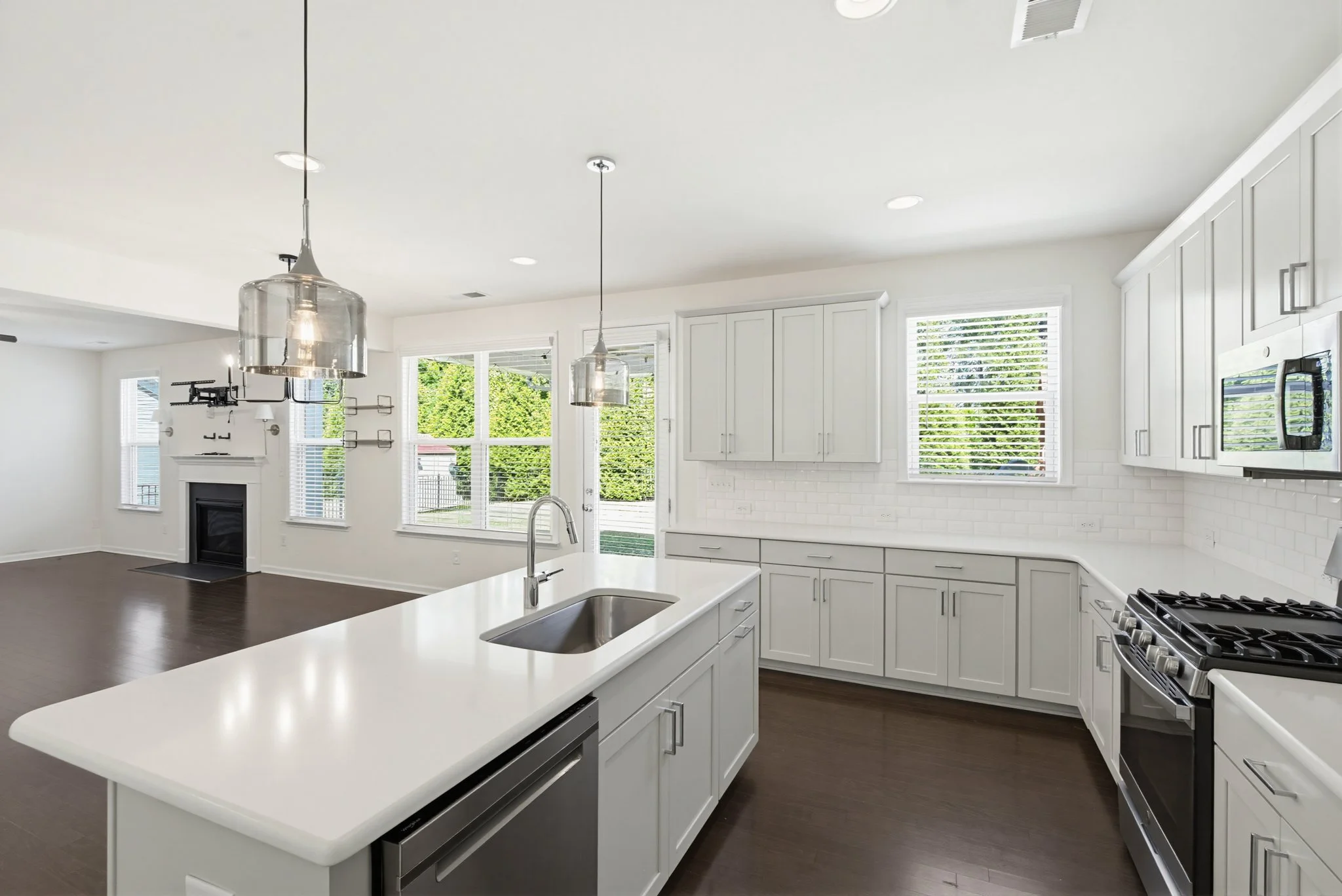
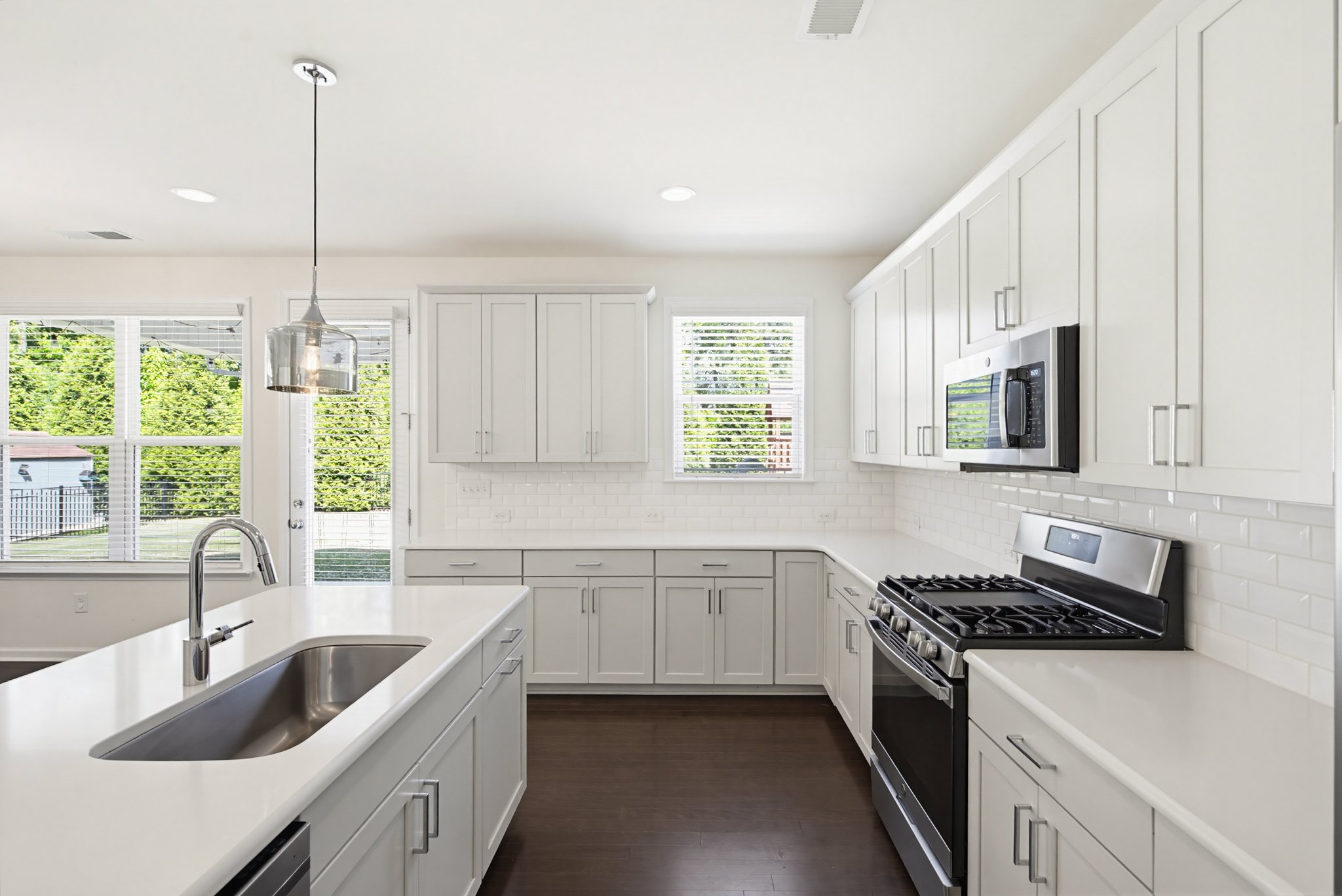
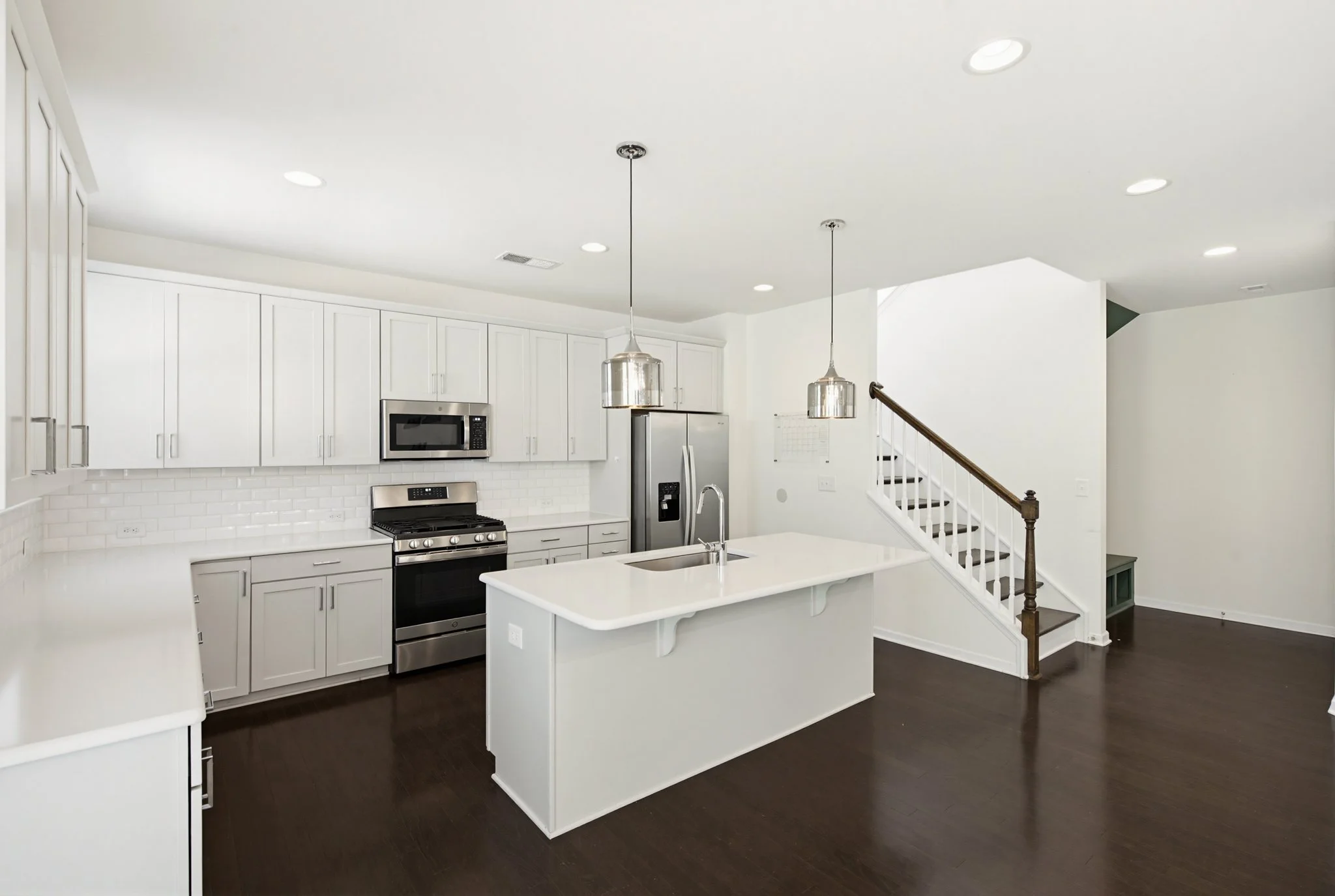
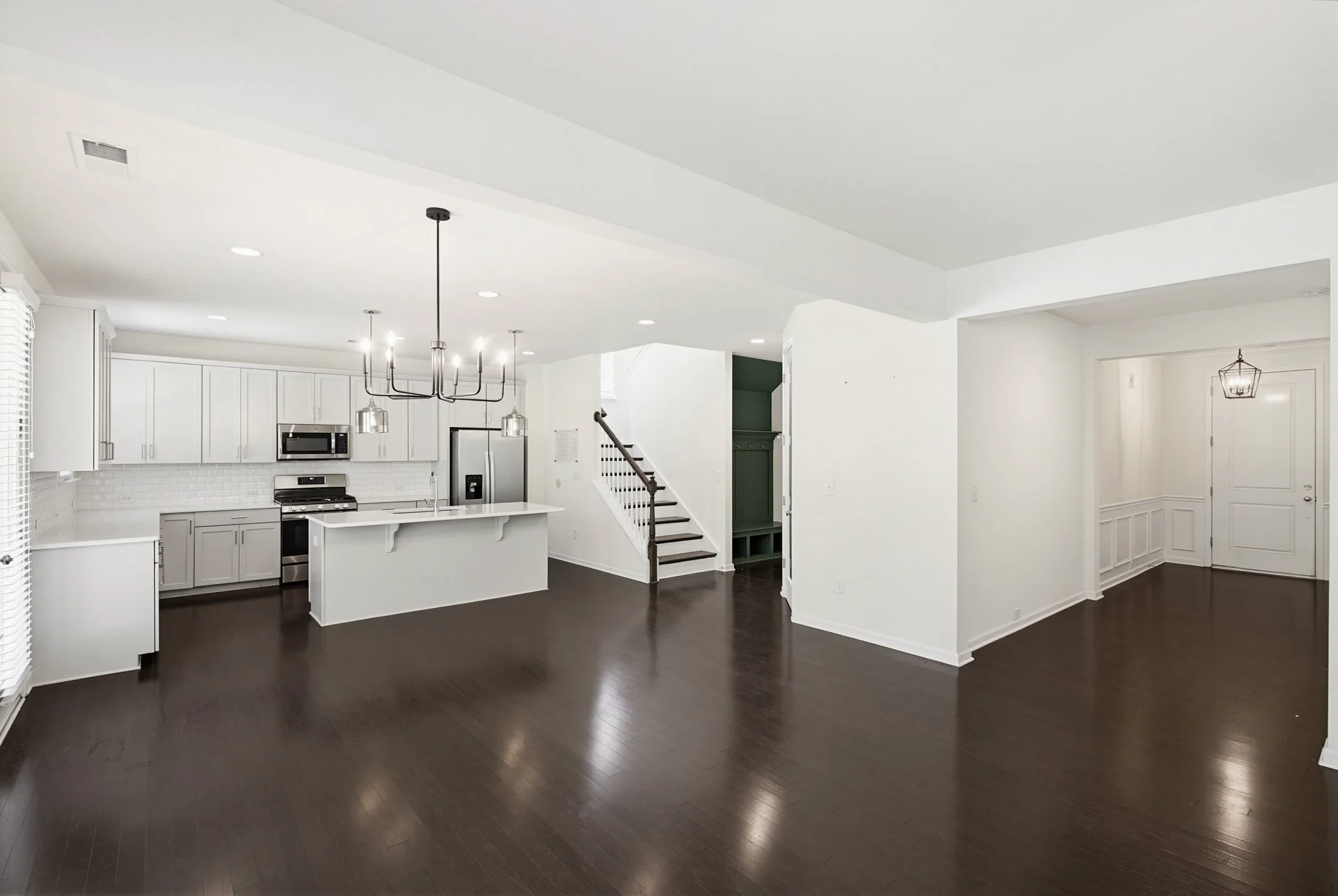
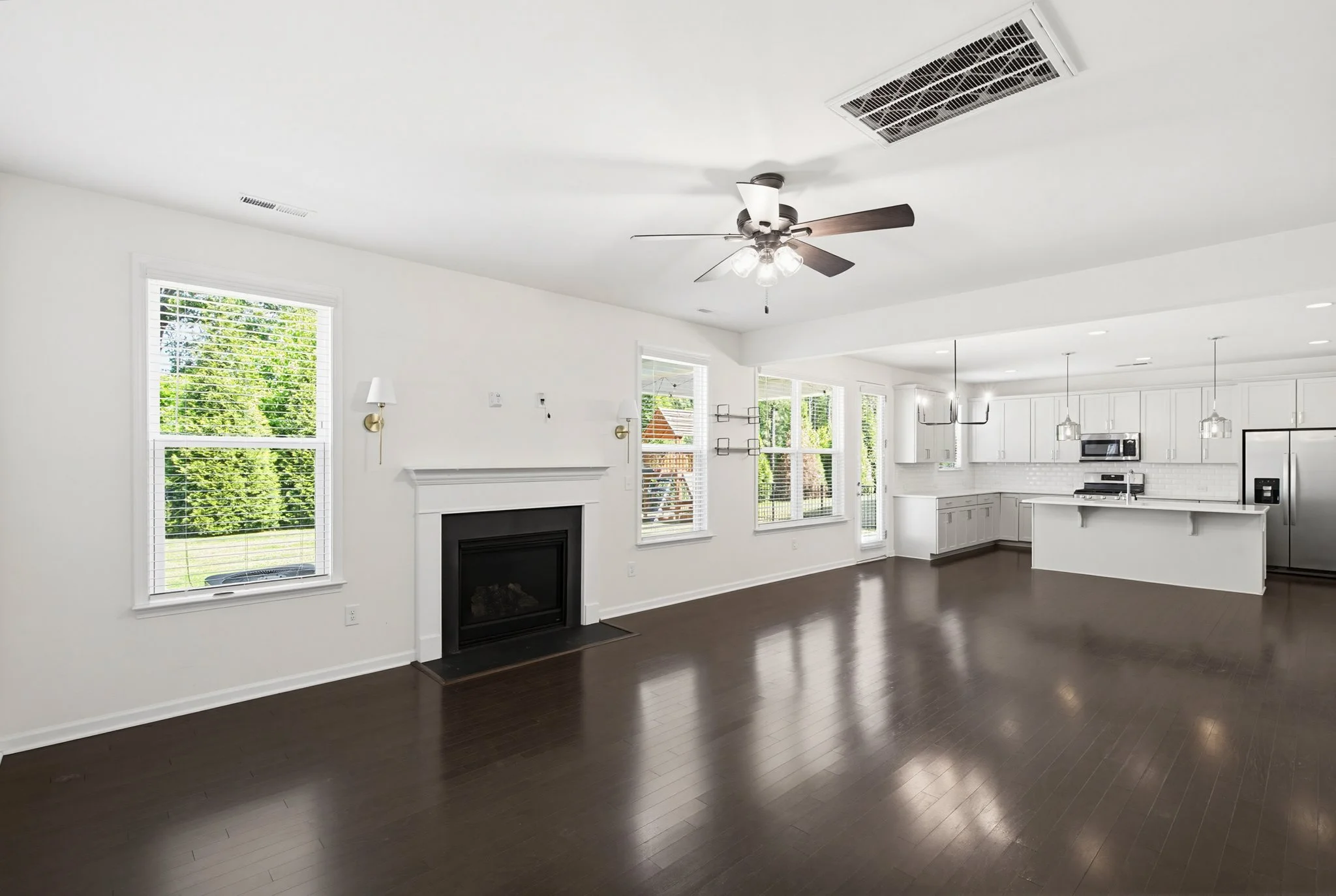
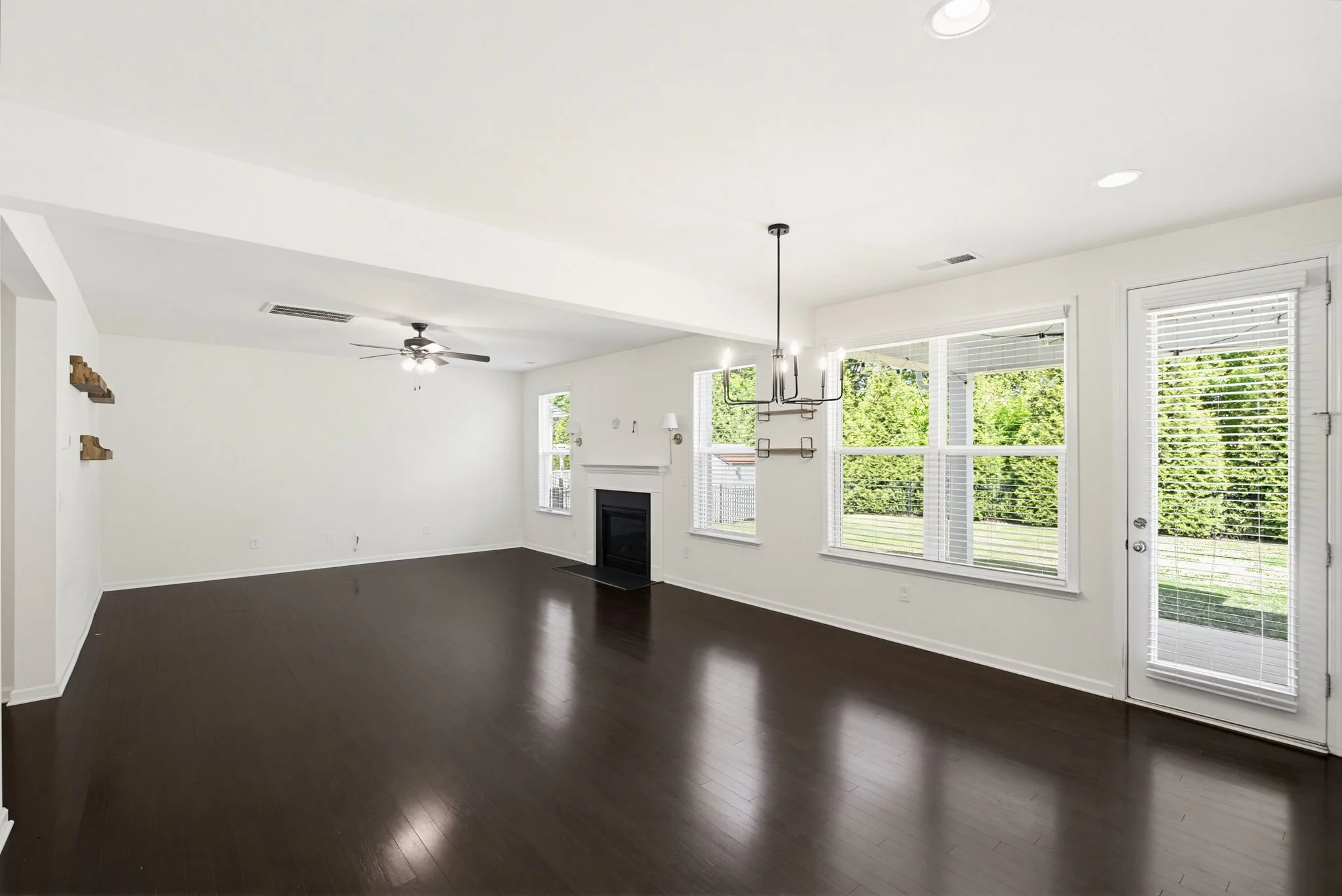
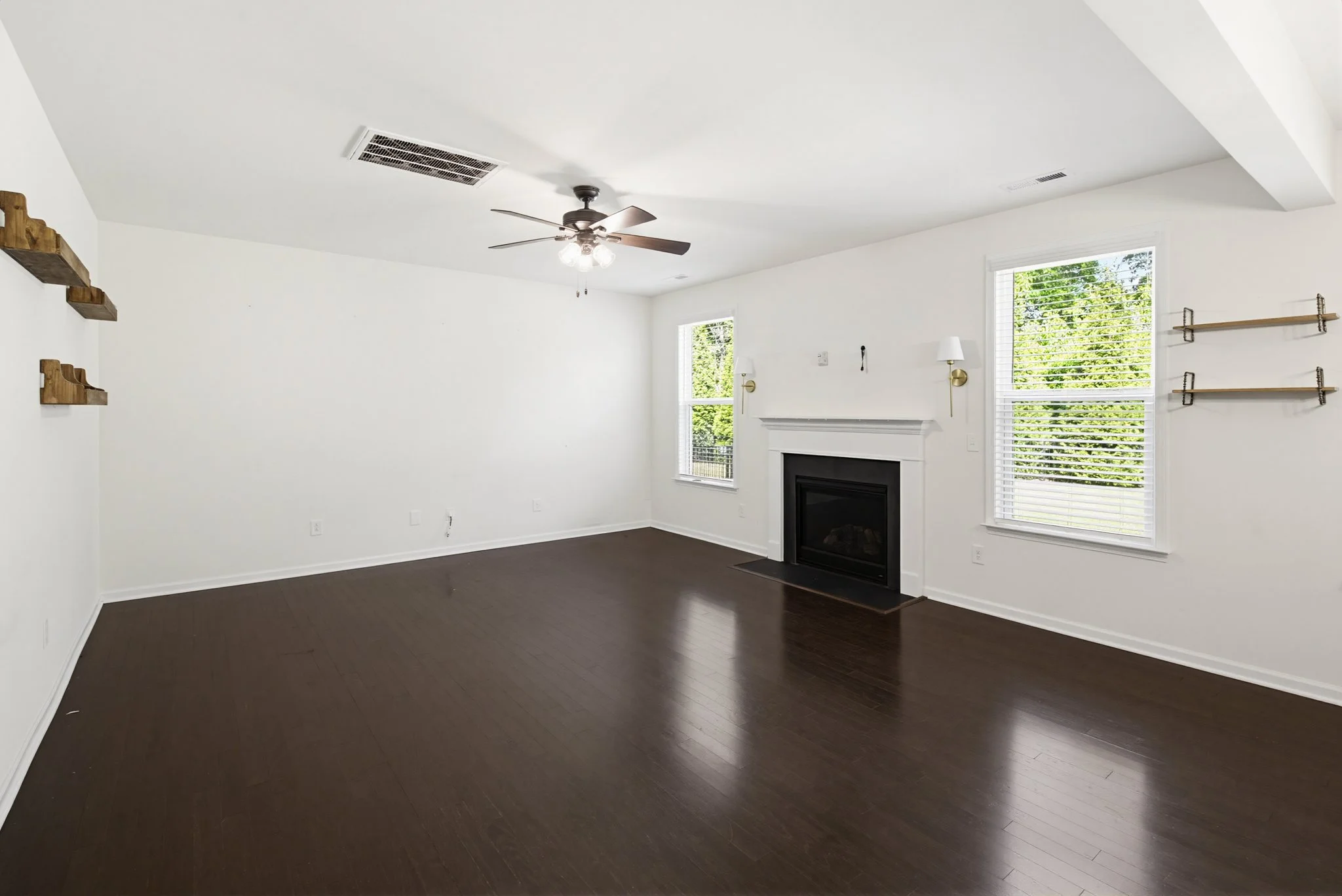
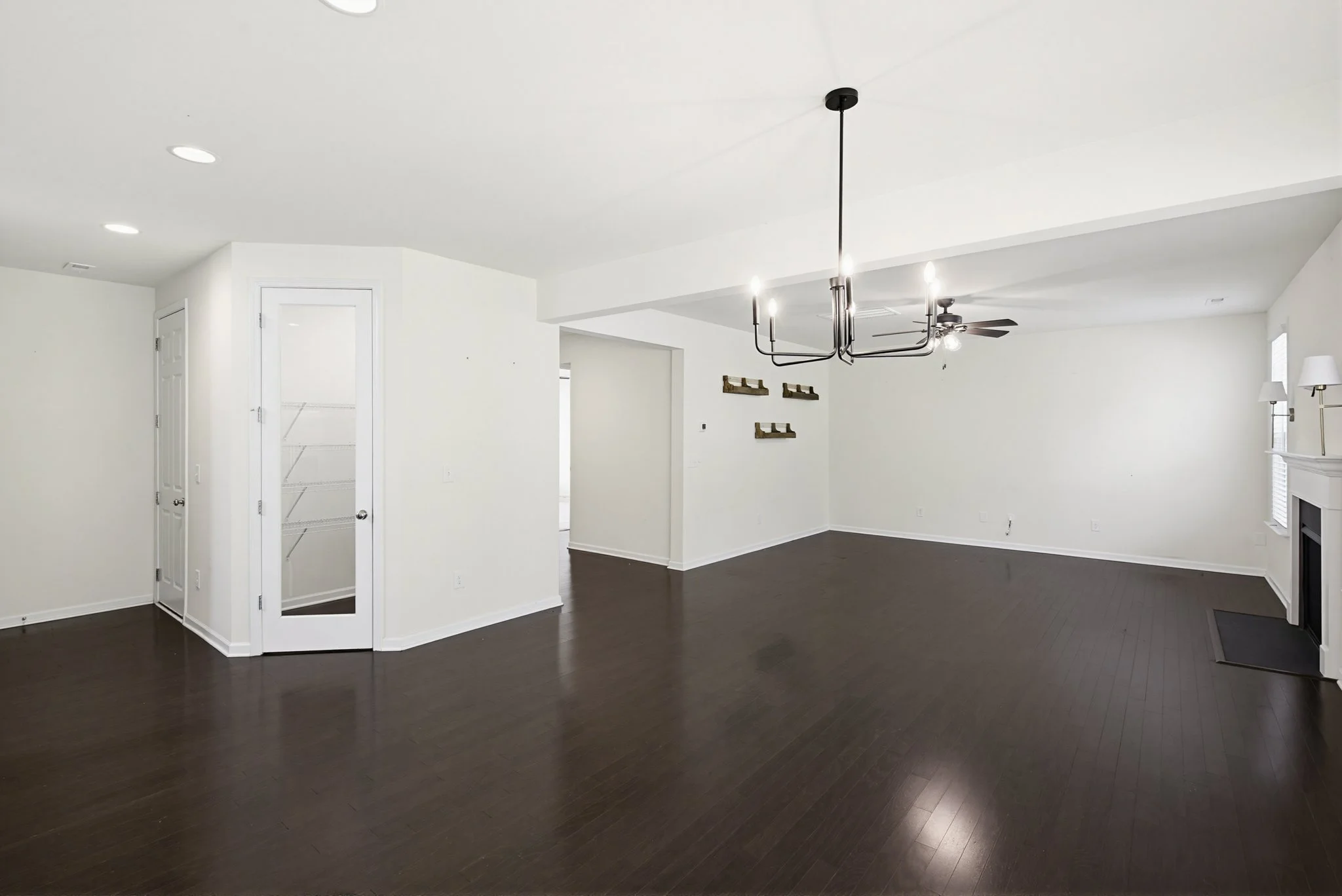
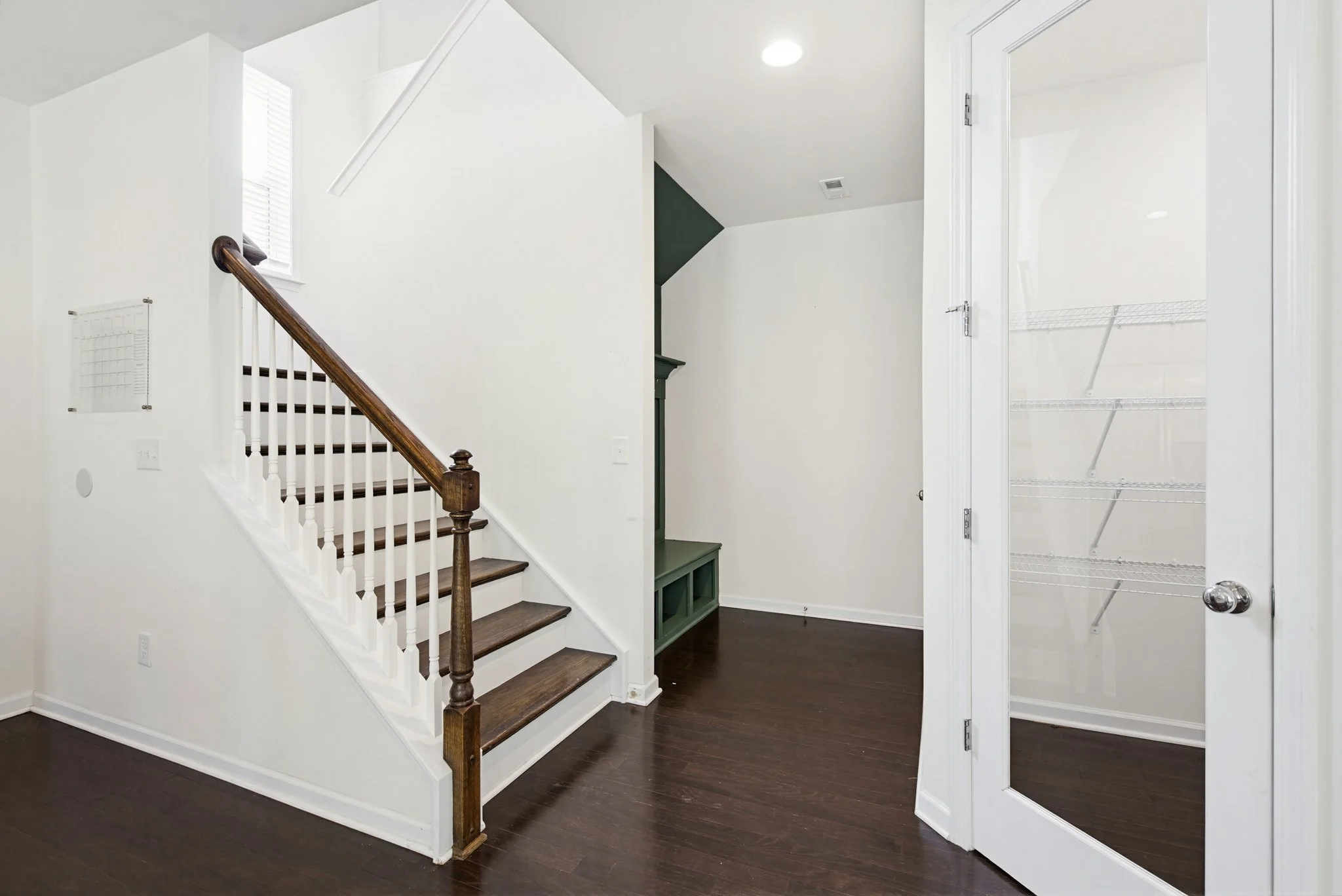
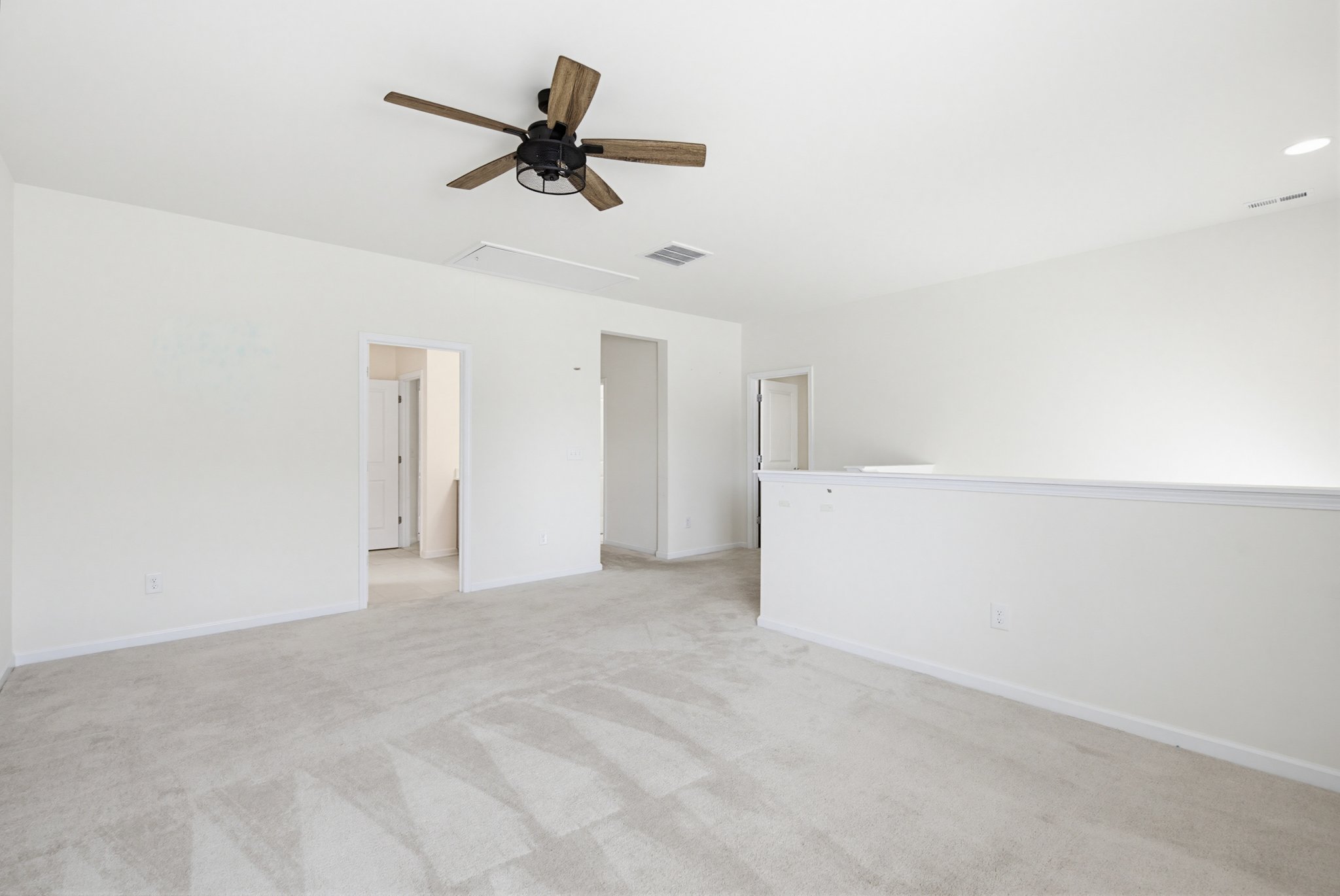
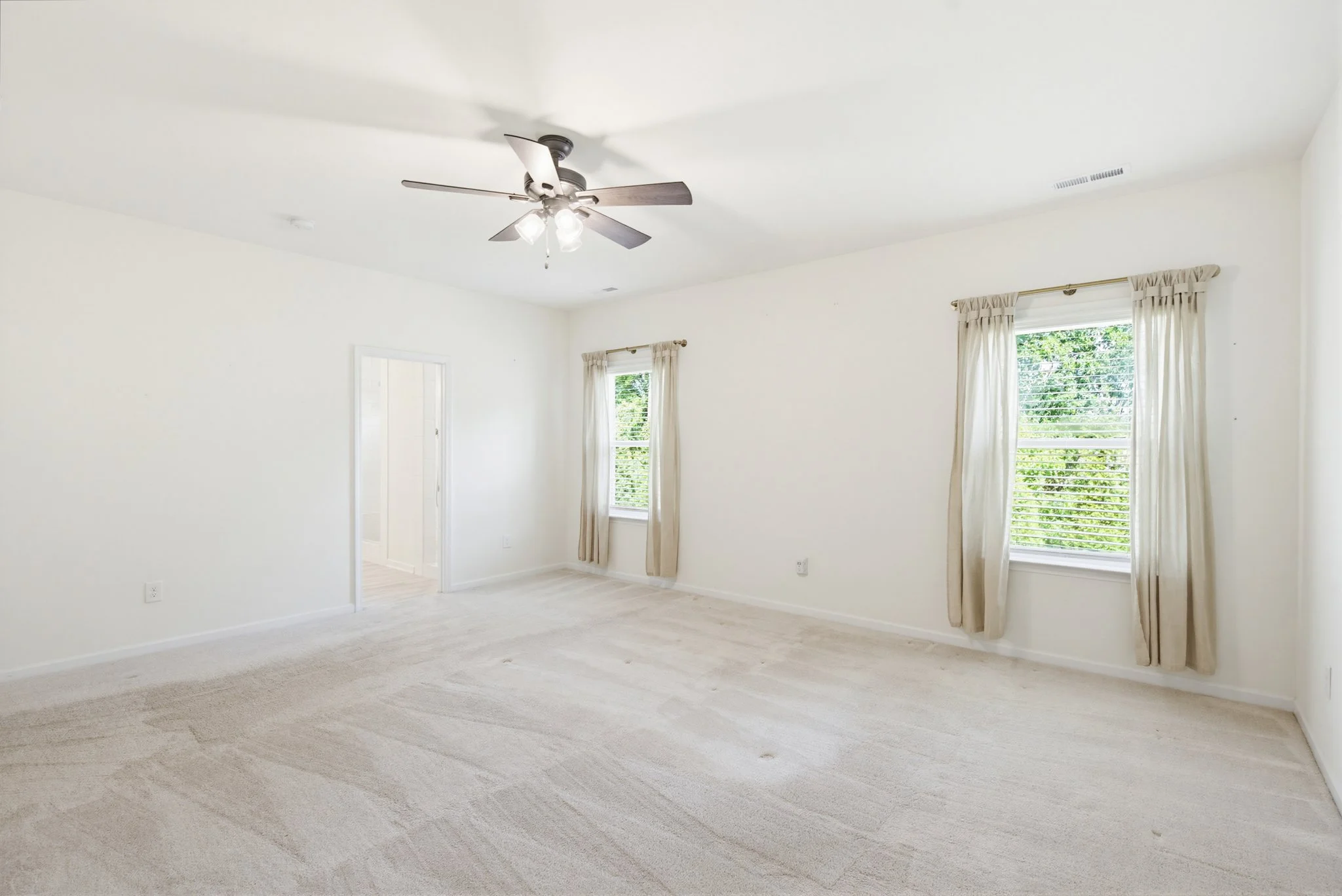
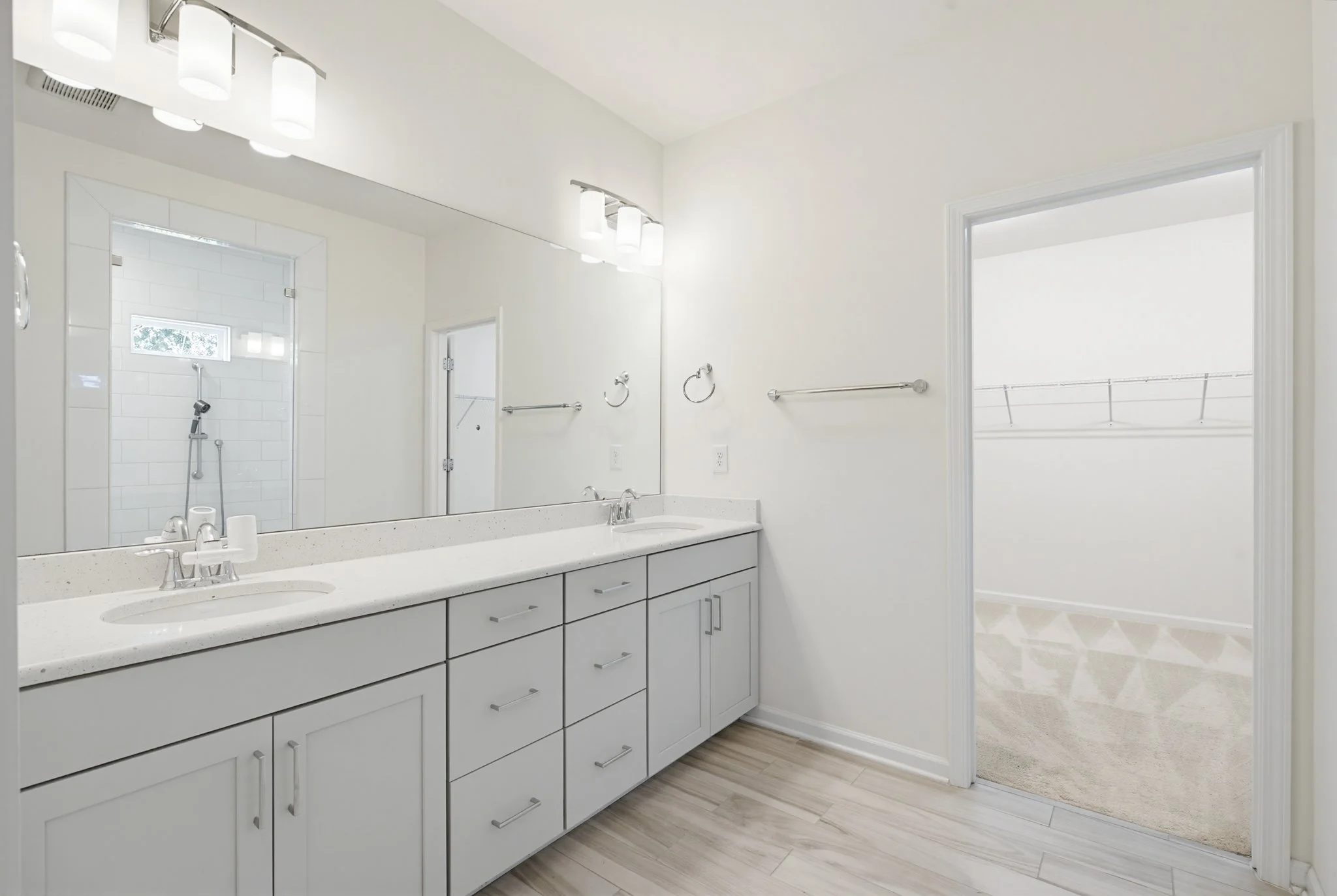

The same home, two very different paydays
Figures are estimates for illustration. Excise tax shown at $1 per $500 of sale price (NC). A personalized net sheet with exact figures is provided before listing.
"I'm grateful for Josh's support in selling our home. He guided us through a seamless process and was attentive every step of the way. His expertise helped us reach an outcome we are very satisfied with."
5 questions to ask before you accept any cash offer
The headline offer and your actual net are rarely the same. Ask what you truly walk away with.
iBuyers take a fee off the top. Know the number and what you're paying for.
Repair estimates are made in their favor. Get the list and the dollar figure in writing.
This is the comparison that matters. A strong agent can sell as-is and still net you far more.
Put a number on it. If the easy button costs $50,000, is it still worth it?
Before you sign, find out what your home is really worth
Send us your Opendoor or Offerpad offer and we'll show you what your home would actually bring on the open market, as-is, with no obligation. If the cash offer really is your best move, we'll tell you. Most of the time, it isn't.
Cash Offers & iBuyers: What Sellers Ask
It depends on what you value most. iBuyers offer convenience, but their offers are typically below open-market value, and fees plus repair deductions come out of that. For most sellers it isn't worth tens of thousands of dollars. Here, our seller netted far more by listing instead.
iBuyers buy below market so they can resell at a profit, so the offer is built around their margin, not your home's top value. Here, Opendoor's offer would have netted around $400,000. We sold the same home for $475,000.
It varies, but the gap between a convenience cash offer and a fully marketed sale is often significant once fees and repair deductions are applied. In this case the difference was $75,000 on the sale price.
iBuyers typically charge a service fee off the top and deduct an estimate for repairs in their favor. The headline cash number is rarely what you actually walk away with, which is why it pays to compare it against a real listing strategy.
For most homes in good demand, listing with a strong agent nets more even after commission, because open-market competition drives price up while a cash offer is a single take-it-or-leave-it number. Here the agent beat the iBuyer offer by $75,000 and still sold as-is in 16 days.
Yes. Selling as-is doesn't require an iBuyer. With the right pricing and marketing you can sell on the open market without repairs and still get full value. Our seller sold completely as-is for full asking price.
A cash offer can close quickly, but a well-marketed listing can be nearly as fast and worth far more. We took this home from list to under contract in 16 days while netting tens of thousands more than the cash offer.
Because the iBuyer needs to profit on resale. Their offer is priced to leave room for fees, holding costs, repairs, and margin. That's the convenience trade-off: speed and certainty in exchange for a lower price.
Get the cash offer in writing, then have an agent show you what the home would realistically sell for on the open market, including whether you can sell as-is. Only then can you compare apples to apples. Many sellers find the gap is far larger than expected, as this one did at $75,000.
iBuyers buy below market, sometimes make light improvements, and resell for more while collecting service fees. Their profit is the spread between what they pay you and what they sell for, money that could have stayed in your pocket.
Usually not. The advertised cash number is before service fees and repair deductions, so your real net is lower. Always compare net-to-net. Here, the listing net won by tens of thousands.
The catch is price. You trade top dollar for convenience. Once fees and repair deductions are applied the number drops, and you give up the open-market competition that pushes price higher. The convenience is real; so is the cost.
Yes. You don't have to choose between speed and price. With aggressive marketing and the right strategy, this home sold as-is, at full asking, in 16 days, for $75,000 more than the cash offer.
Price it right, market aggressively to create competition, and present it so buyers see full value even as-is. That's how you beat a cash offer. Before accepting any iBuyer number, get a real market valuation.
Opendoor is a legitimate company and the process works as advertised. The issue isn't legitimacy, it's price. You're paying for convenience with a lower net. For sellers who want top dollar, comparing the offer to a real listing strategy almost always pays off.
There's limited room to negotiate an iBuyer offer, and you usually can't create the competitive bidding that drives price up on the open market. A listing puts multiple buyers in play, which is what pushed this home to $75,000 above the cash offer.
After the initial offer, the home is typically inspected and repair deductions are applied, which lowers your net before closing. That's why the final number often comes in under the headline figure. Always weigh it against what a listing would net.
iBuyer offers are generally below full market value because their model depends on reselling for a profit. "Fair" for their business model isn't the same as the most a buyer would pay for your home on the open market. Here the difference was $75,000.
Both are iBuyers with similar models: a fast cash offer in exchange for a below-market price, service fees, and repair deductions. The differences are in the details, but the core trade-off is the same. Comparing either against a real listing is the smart move.
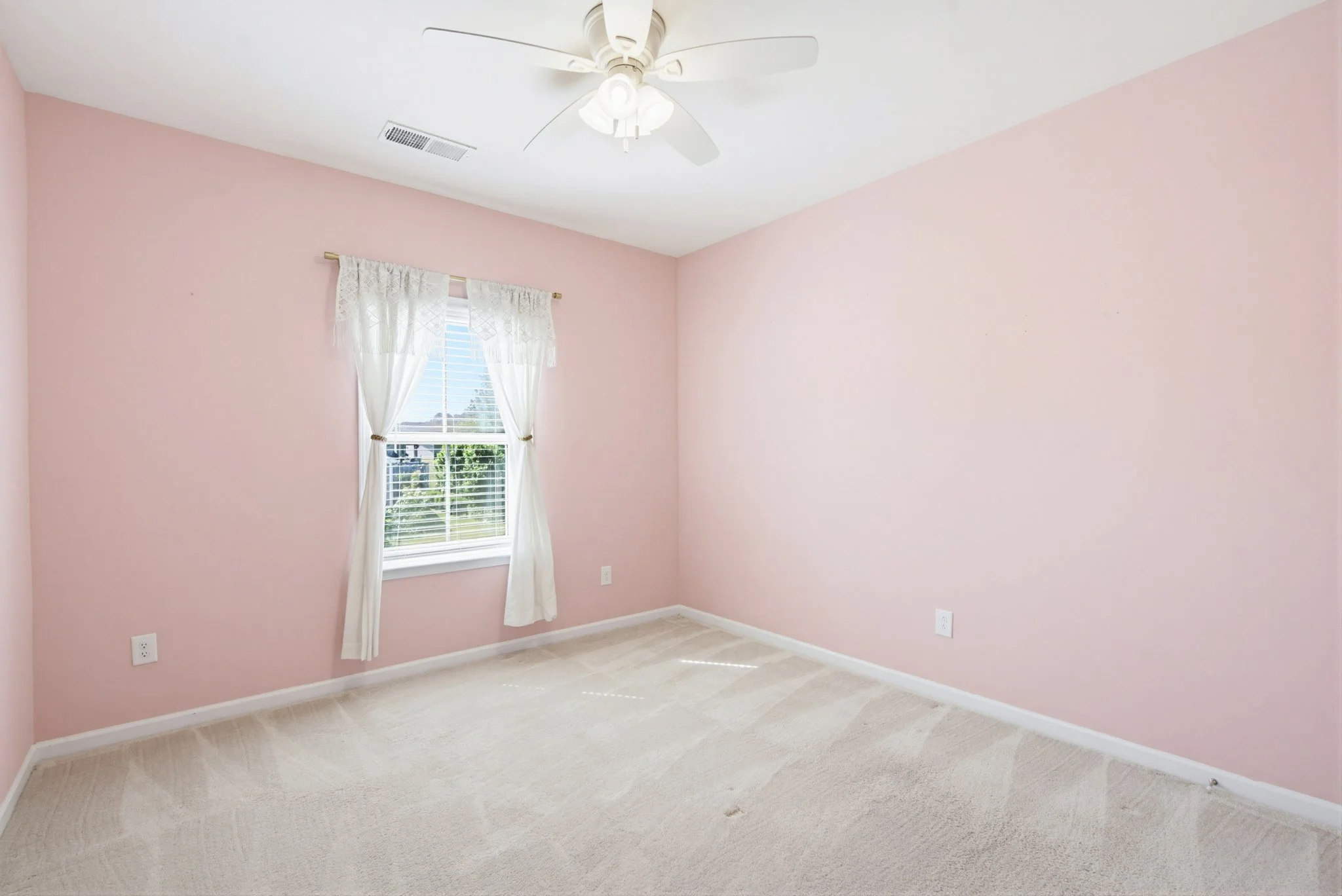
No. You can sell fast and as-is without doing repairs, and without taking a lowball cash offer. This seller had minor scuffs and small fixes they didn't want to handle, and we still sold the home as-is at full price in 16 days.
An iBuyer is a company like Opendoor or Offerpad that uses technology to make fast cash offers on homes, then resells them. The appeal is speed and convenience. The cost is a below-market price plus fees, which is money out of your pocket.
Generally you can decline or cancel before closing, though terms vary, so always read the agreement. Before you commit either way, it's worth getting a real market valuation so you know exactly what you'd be giving up.
The initial offer is an automated estimate that can change after inspection and repair deductions. It reflects what the iBuyer is willing to pay for resale, not necessarily what a motivated buyer would pay on the open market.
For most homes in decent condition and a healthy market, listing nets more, even after commission, because of open-market competition. Selling to an investor or iBuyer makes sense mainly when speed and certainty outweigh price. This case shows listing winning by $75,000.
iBuyers can close in a couple of weeks, and a well-run listing isn't far behind. We had this home under contract in 16 days. The small difference in timeline rarely justifies leaving tens of thousands on the table.
In most cases, yes. The open market creates competition among buyers that a single cash offer can't match. That competition is exactly what pushed this home to full asking, $75,000 above the iBuyer number.
A below-market price, service fees, repair deductions, and no competitive bidding. You gain speed and convenience but give up the higher price the open market would deliver. For many sellers that trade-off costs tens of thousands.
You don't always need to fix it up to sell well. With the right pricing and marketing, an as-is home can still command full value. This seller skipped the repairs entirely and still sold at full asking in 16 days.
No matching questions. Try another word, or just reach out.
