Charlotte's First Streetcar Suburb
Dilworth is Charlotte's original suburb, laid out in 1891 by developer Edward Dilworth Latta and the Charlotte Consolidated Construction Company on 442 acres of old farmland and fairgrounds just south of the city center. Latta built the city's first electric streetcar line to connect it to uptown, and the line started running two days before Dilworth officially opened. Latta Park, a 20-acre showpiece with a lake and pavilion designed by landscape architect Joseph Forsyth Johnson, gave streetcar riders a reason to visit, and the lots sold from there. A second building wave in 1911, laid out by the Olmsted Brothers firm, added the curving, tree-shaded streets that still define the neighborhood's south side today.
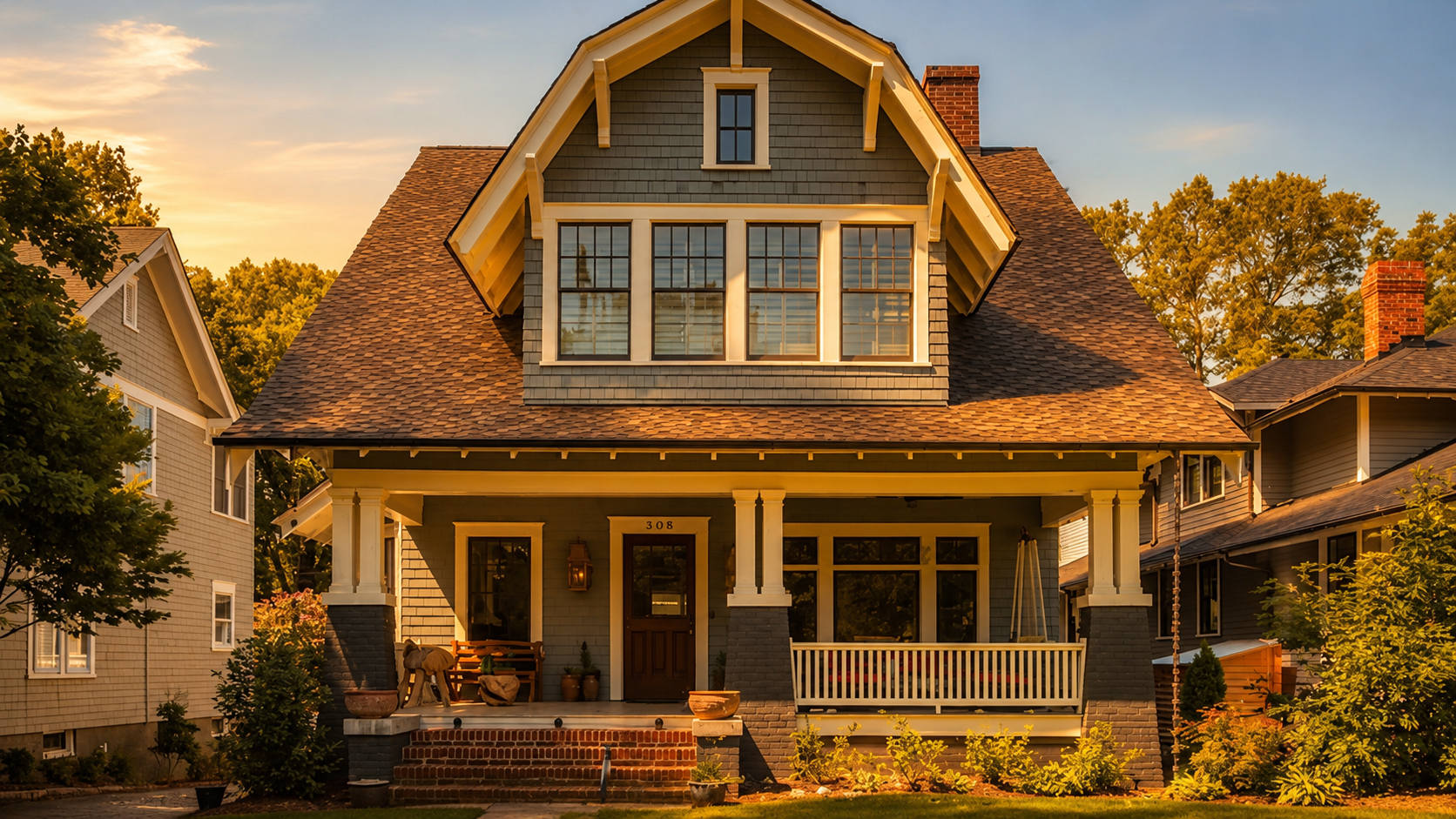
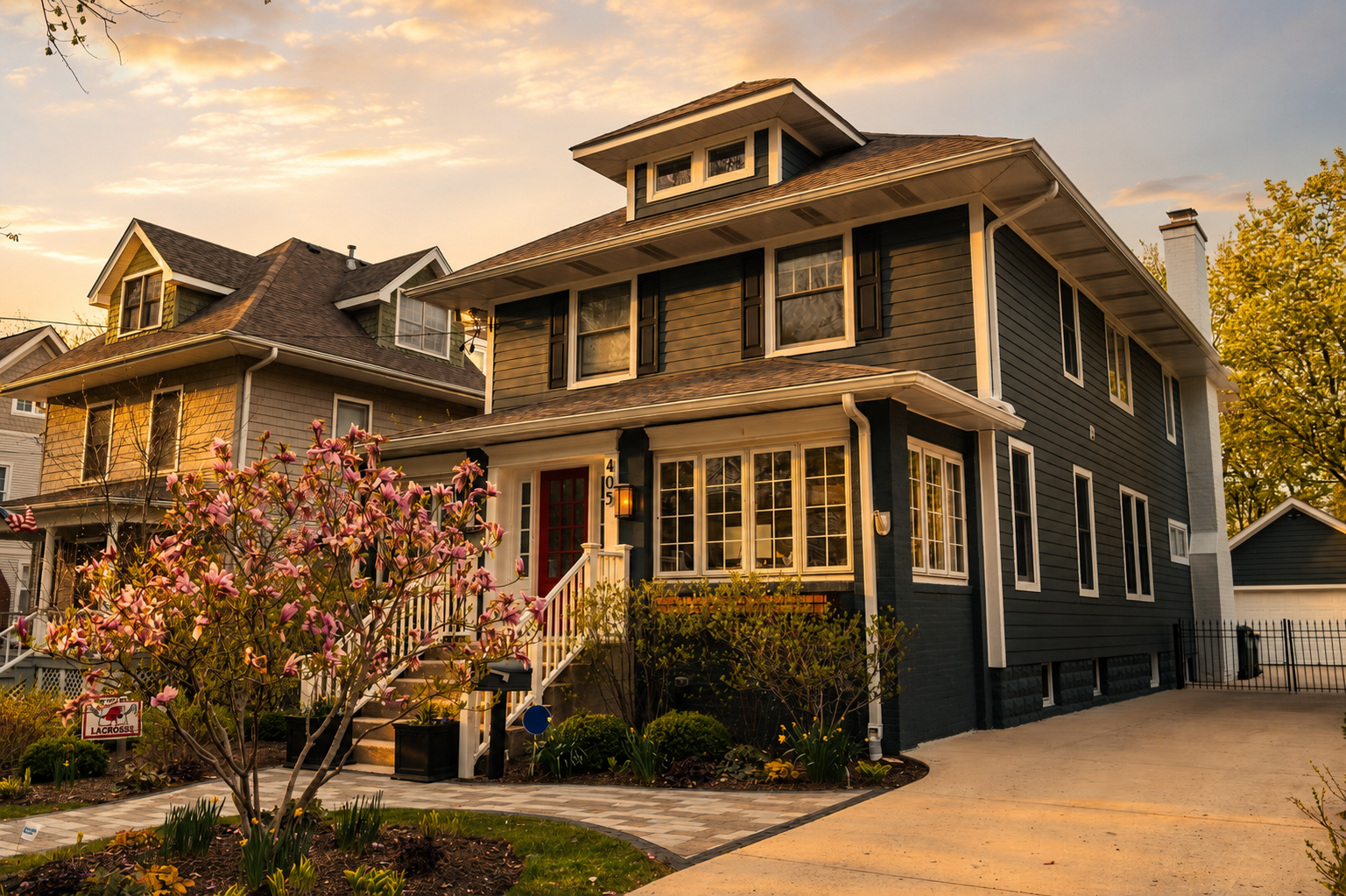
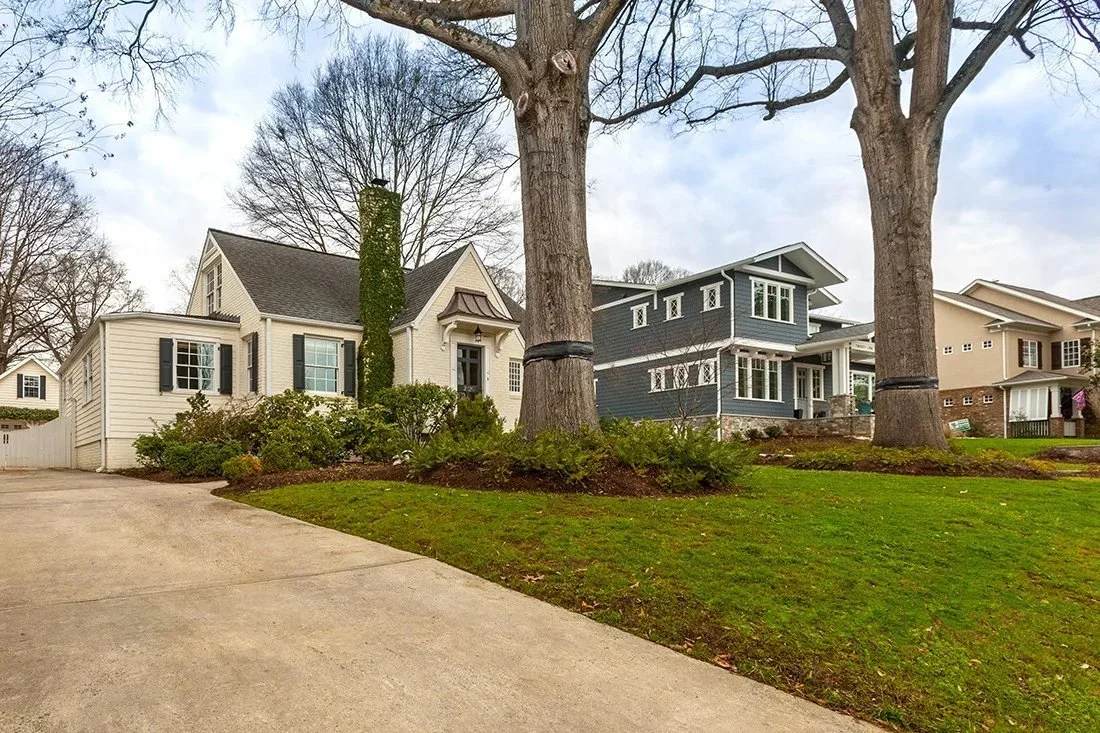
More than a century later, Dilworth is one of Charlotte's most walkable in-town neighborhoods, much of it protected as a National Register historic district and a city Local Historic District where exterior changes go through design review. Restored Craftsman bungalows, Queen Anne cottages and Colonial Revival houses line the grid near Latta Park, with condos, townhomes and new construction filling in around the edges closer to South End. East Boulevard is the neighborhood's front porch, a walkable strip of restaurants, coffee shops and boutiques, and residents are a short walk or bike ride from the light rail, uptown's skyline, and Freedom Park.
-
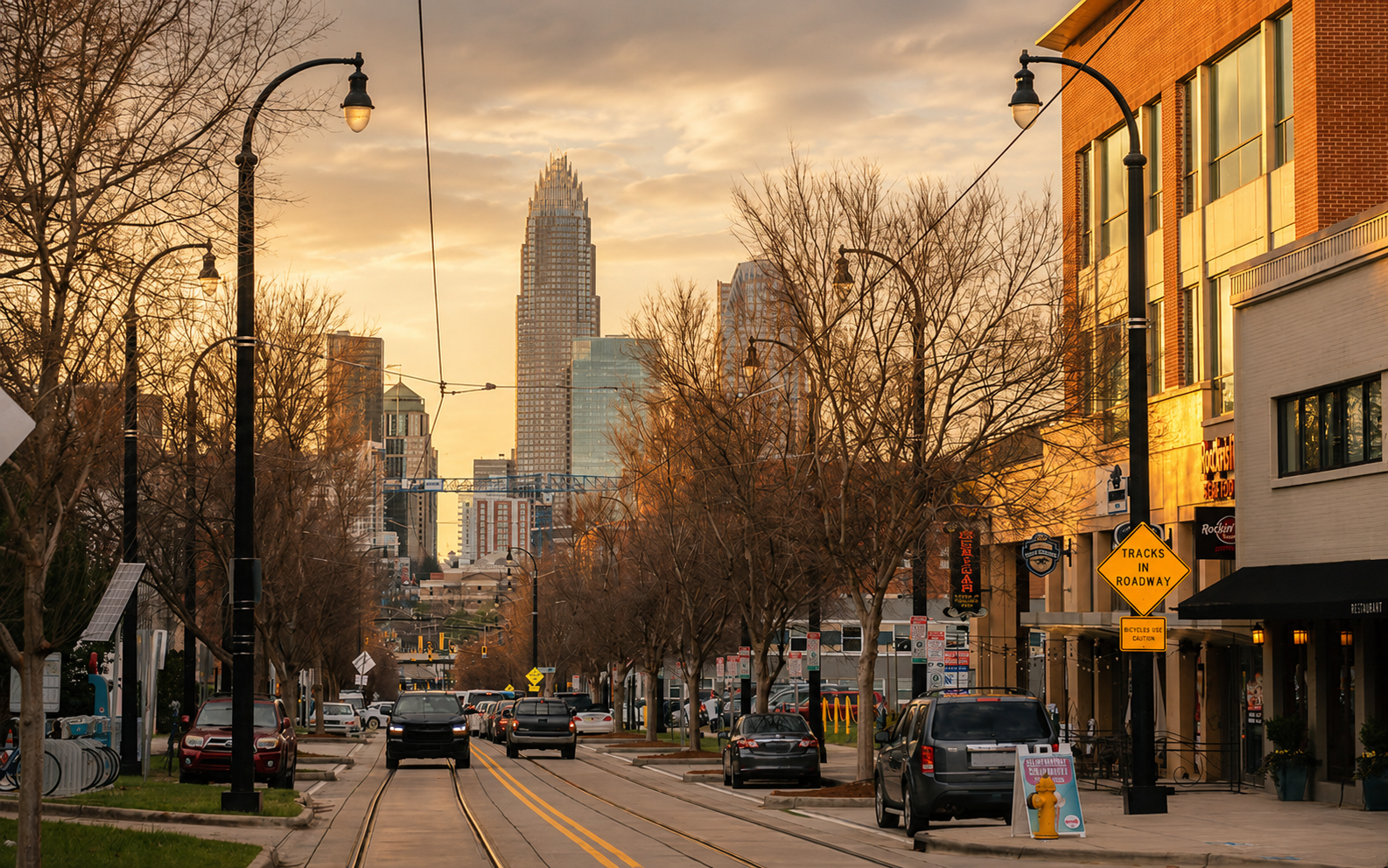
Developer Edward Dilworth Latta laid out the neighborhood in 1891 and built the city's first electric streetcar line to reach it, with service starting just two days before Dilworth officially opened.
-
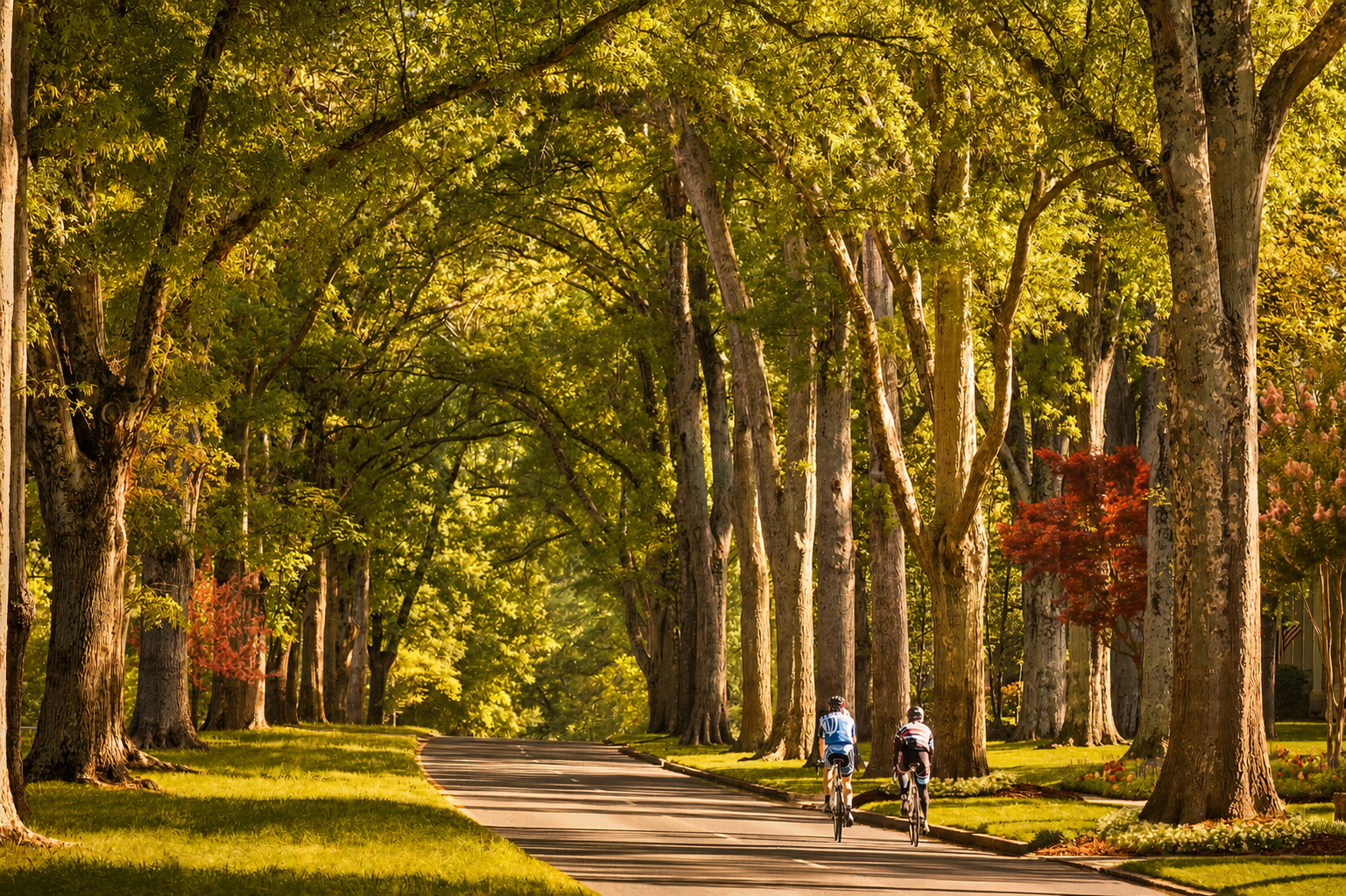
The original 20-acre park was designed by landscape architect Joseph Forsyth Johnson, and a 1911 expansion laid out by the Olmsted Brothers firm gave the neighborhood's south side its curving, tree-shaded streets.
-
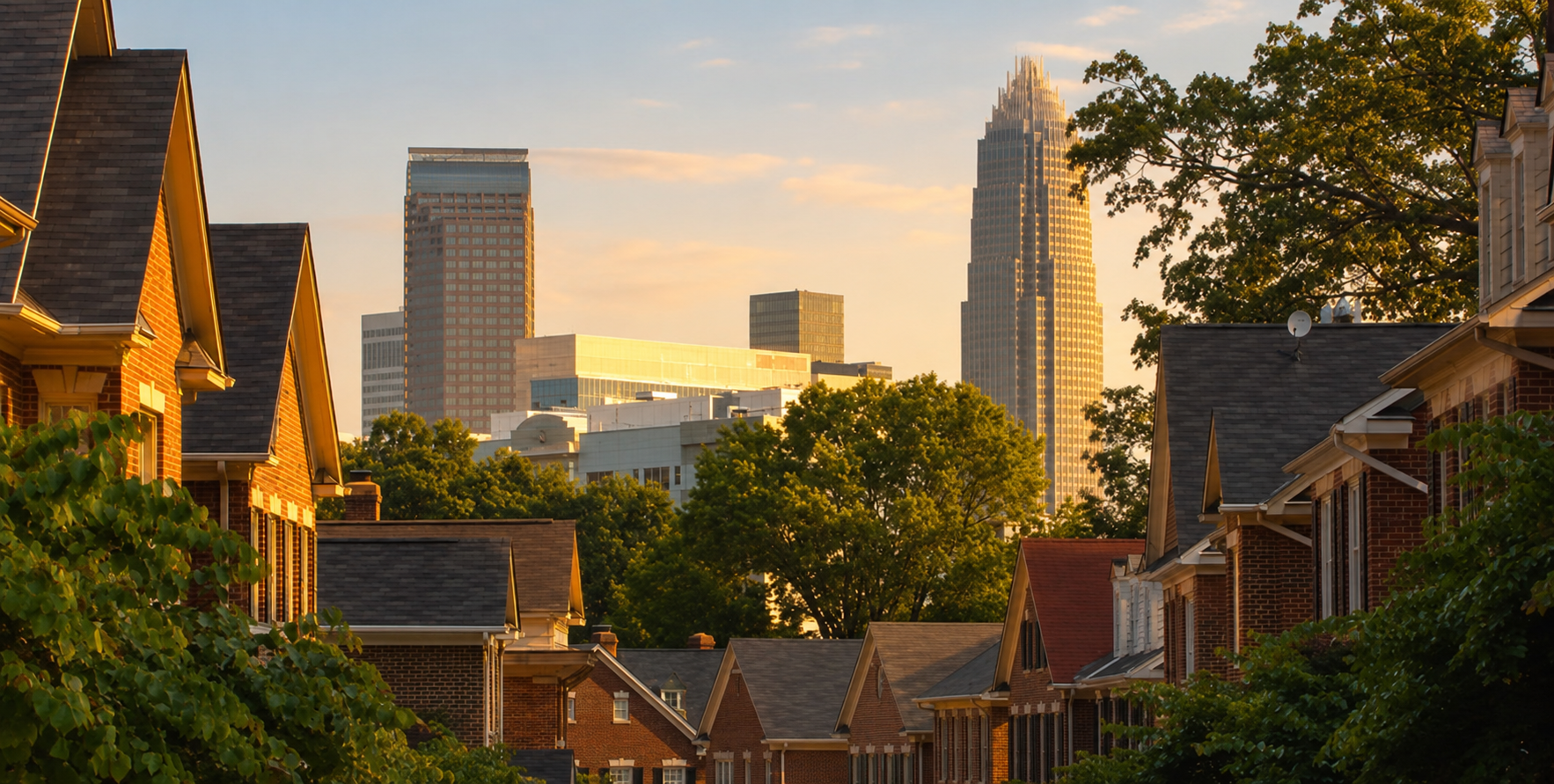
Dilworth became Charlotte's first Local Historic District in 1983, expanded in 1992, and exterior changes on homes inside the boundary require Historic District Commission review and a Certificate of Appropriateness.
-
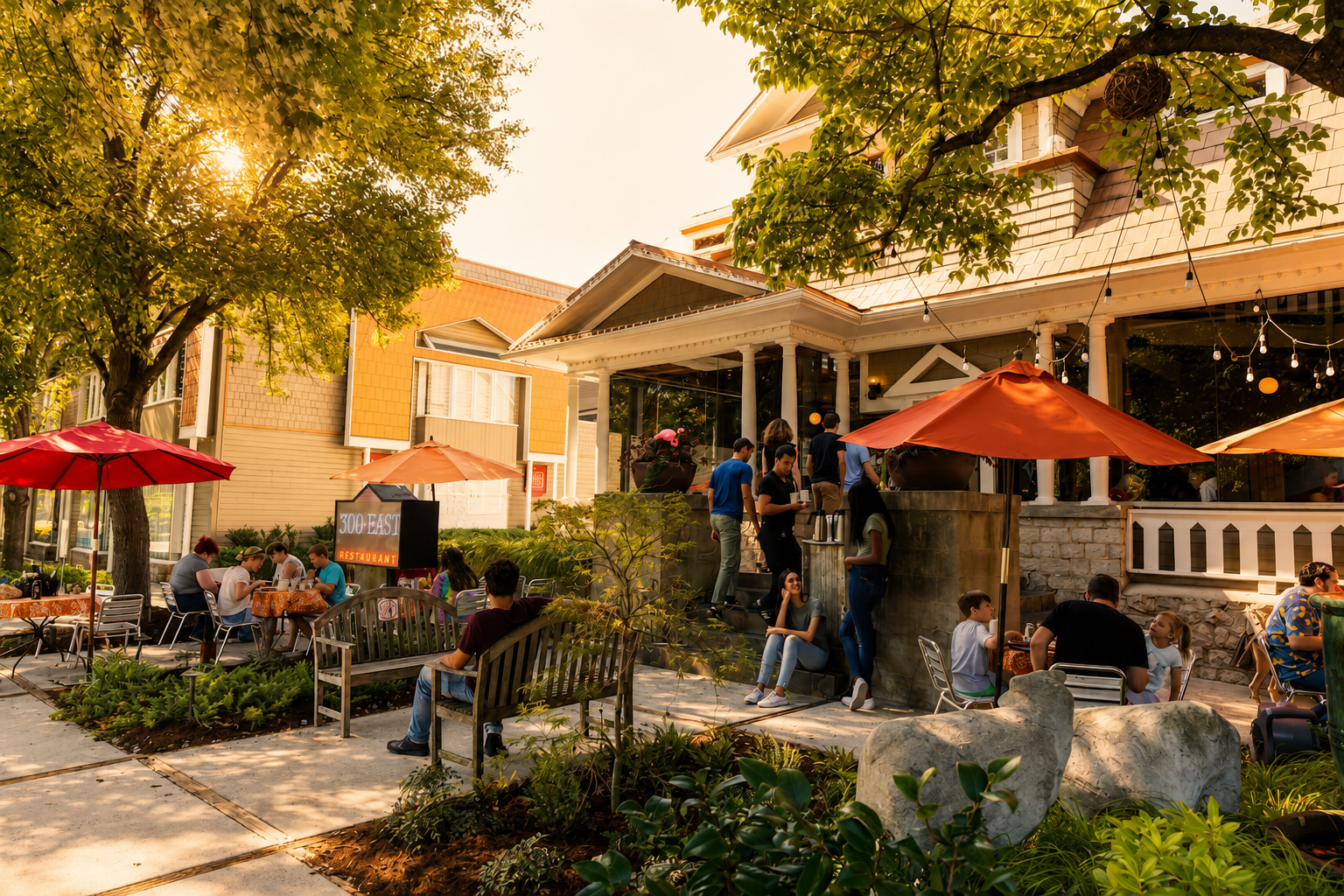
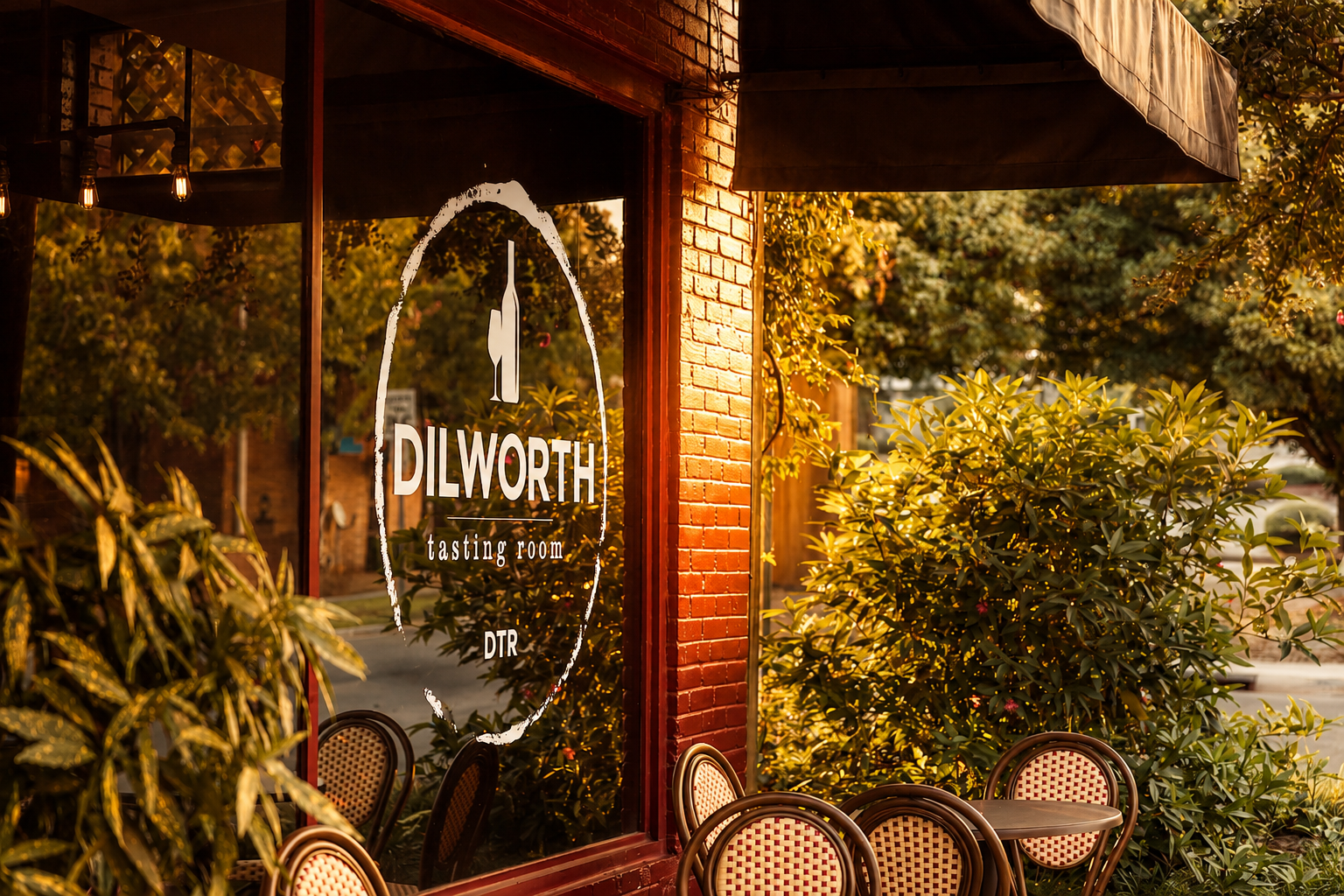
The neighborhood's main street mixes longtime favorite 300 East with Thai Taste, Copper, Dilworth Tasting Room, and local shops Paper Skyscraper and CLT Find, all within walking distance of home.
-
The all-volunteer Dilworth Community Association, founded in the late 1960s, charges no dues and is explicitly not a homeowners association.
-
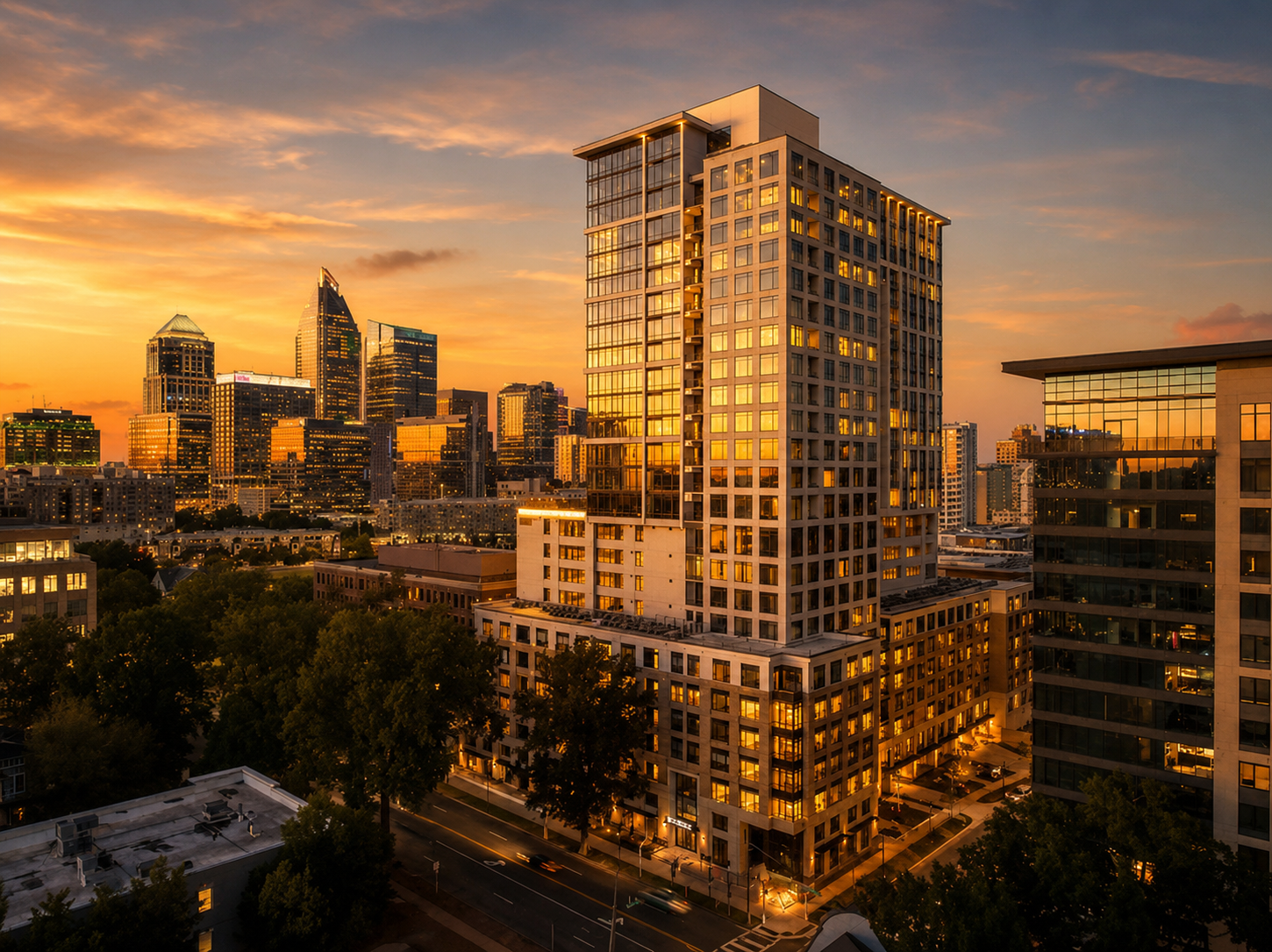
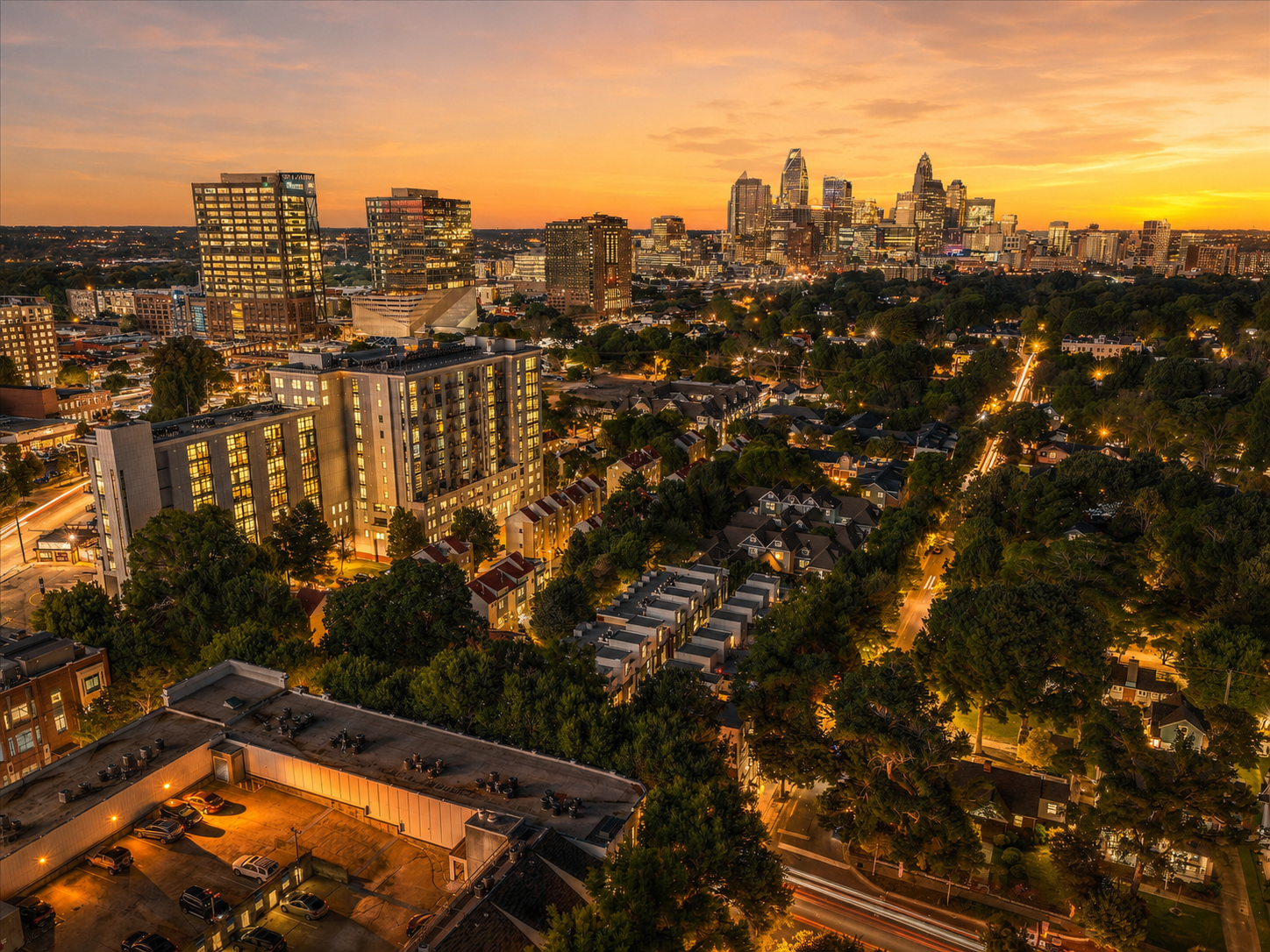
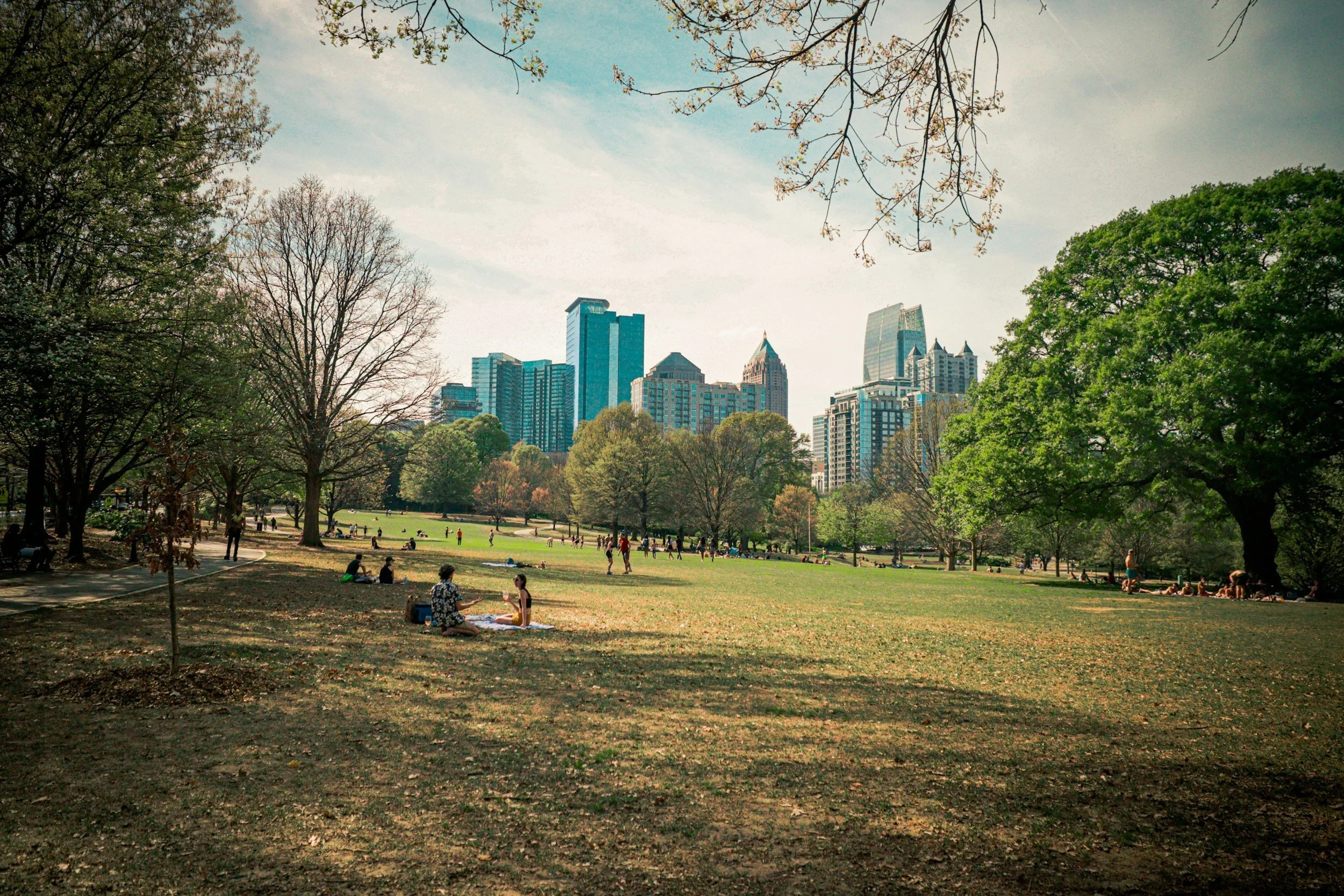
Light rail stations, South End's breweries, and uptown's skyline are all an easy walk, bike ride, or short drive from Dilworth's tree-lined streets.
A century-old bungalow two miles from a Fortune 500 skyline was never going to be cheap. Here's what buying into Charlotte's original suburb actually costs right now.
Median sale price
$665,000
Past 12 months, Dilworth
Historic District median
$1.1M
January 2026, Dilworth Historic District
Price per sq ft
$446
Past 12 months
Avg. days on market
46
Past 12 months
Active listings
55
As of July 2026
Homes sold
60
Most recent month
Dilworth (Local Historic District and surrounding blocks), Canopy MLS data via Redfin and Homes.com. Dilworth is a small, high-demand neighborhood, so month-to-month figures swing more than in a large suburb. Figures move with the market; verify current values.
Schools In Dilworth
Dilworth's zoned schools are in the middle of a real shake-up, with a new elementary school and a magnet middle school conversion both landing in 2026. Here's what's zoned today, factual and sourced, plus what to double-check before you buy.
Dilworth Elementary
Dilworth Elementary runs on two linked campuses: grades 3-5 at the Latta campus shown here (A- Niche grade), and PK-2 at a separate Sedgefield campus with a lower C+ Niche grade. CMS also approved new boundaries in 2025 that will shift Dilworth-zoned students to a new elementary school opening on Park Road, with the current Dilworth building converting to a magnet middle school. Confirm current zoning for your exact address through the CMS assignment lookup.
Sedgefield Middle
Students from the new Park Road elementary school are slated to feed into Sedgefield Middle as CMS boundaries continue shifting through 2026. Verify current assignment through the CMS assignment lookup.
Myers Park High
Some Dilworth-area addresses are zoned for Harding University High School instead of Myers Park. Confirm your zoned high school through the CMS assignment lookup before you buy.

HOA & Community Amenities
Dilworth doesn't have a single mandatory HOA. Instead, the neighborhood is looked after by the Dilworth Community Association (DCA), an all-volunteer nonprofit founded in the late 1960s by residents concerned about the area's physical decline. By its own description the DCA is explicitly not a homeowners association: there are no dues or mandatory fees, anyone who lives or works in Dilworth is welcome to get involved, and its activities (the Home Tour, the Jubilee, tree canopy and land-use committees) run on volunteer time and yearly fundraising.
A separate body, the Historic District Commission (HDC), does carry real authority over exterior changes. Dilworth was designated Charlotte's first Local Historic District in 1983 (expanded in 1992), and the HDC, appointed by the mayor and city council, reviews exterior work on homes within that boundary and issues a Certificate of Appropriateness before renovations or new construction can proceed. The Local Historic District footprint is a bit smaller than the full DCA neighborhood boundary, marked by small placards on top of street signs rather than the larger green Dilworth entrance signs. Confirm whether a specific address falls inside the Local Historic District, and what design review requires, before making decisions.
Location & Lifestyle
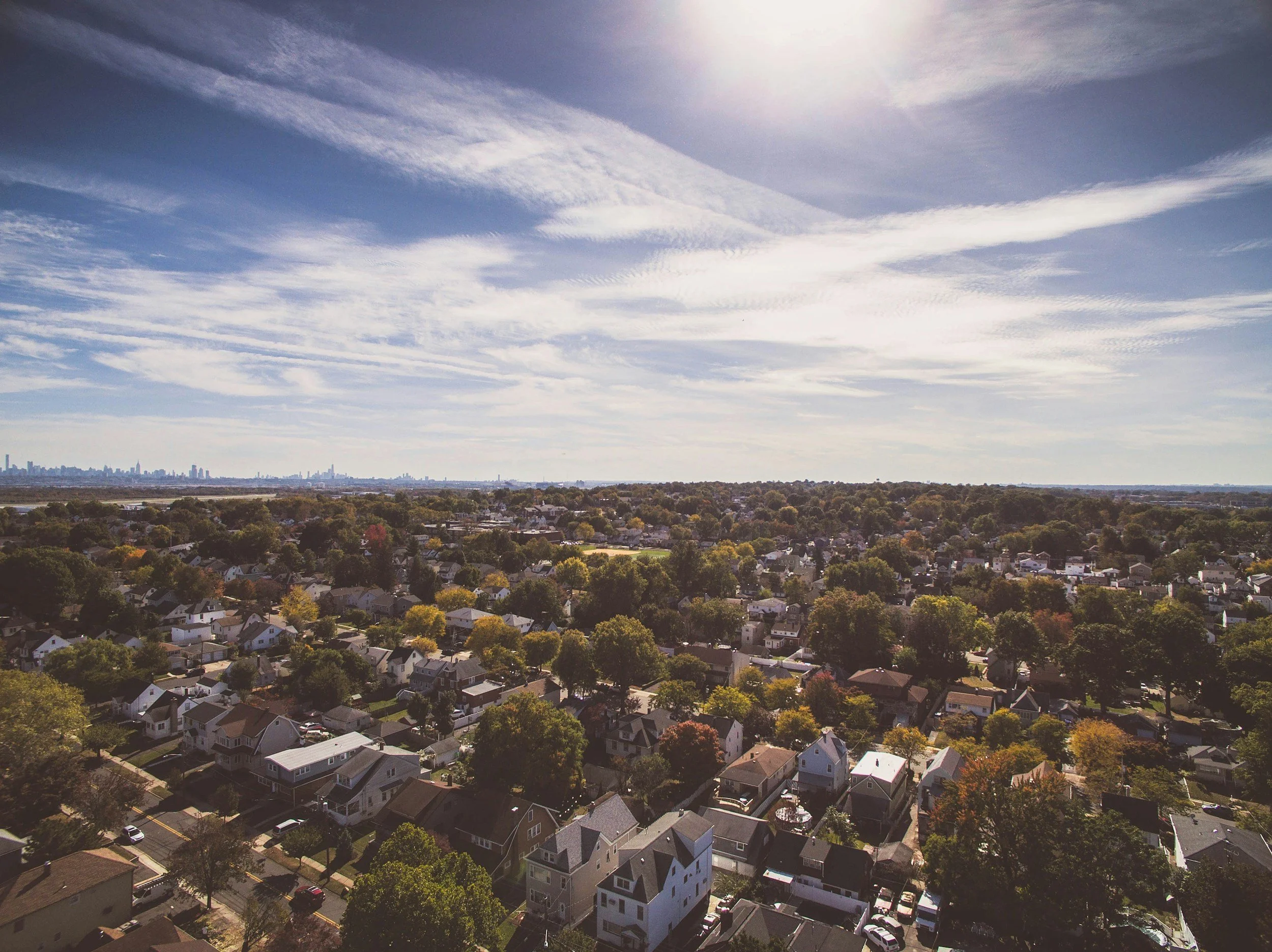
Dilworth sits immediately south of uptown Charlotte, roughly bounded by South Boulevard, East and West Boulevards, and I-277, in the 28203 zip code. It's flanked by South End and its light rail stations to the north and east, Wilmore to the west, and Myers Park and Freedom Park to the south and east across East Boulevard. Latta Park, the 31-acre green space that gave the streetcar suburb its original draw, still anchors the neighborhood with tennis and volleyball courts, ball fields, a playground and walking paths, and Freedom Park, Charlotte's most-visited park, is about a mile and a half further out.
East Boulevard is Dilworth's main street, a walkable stretch of restaurants and shops that includes longtime favorite 300 East, global spots like Thai Taste and Copper, wine bar Dilworth Tasting Room, and local shops Paper Skyscraper and CLT Find. South End's breweries, restaurants and LYNX Blue Line stations are an easy walk or short bike ride away, and uptown's skyline is about a 10-minute drive or one light rail stop from Dilworth's edge. Charlotte Douglas International Airport runs about 15 to 20 minutes by car, making Dilworth one of the more central, commute-friendly addresses in the city.


-
Immediately south of uptown Charlotte, roughly bounded by South Boulevard, East and West Boulevards, and I-277, in the 28203 zip code. It borders South End and its light rail stations to the north and east, Wilmore to the west, and Myers Park and Freedom Park to the south and east.
-
It's Charlotte's first streetcar suburb, developed starting in 1891 around Latta Park, and much of it is protected today as a National Register and Local Historic District. Tree-lined streets of restored Craftsman and Queen Anne homes lead to East Boulevard's restaurant and shopping strip, all within walking distance of uptown and South End.
-
Dilworth-area students are commonly zoned for Dilworth Elementary, Sedgefield Middle, and Myers Park High, though CMS approved new boundaries in 2025 that shift elementary zoning toward a new school opening on Park Road, and some addresses are zoned for Harding University High instead of Myers Park. Verify assignments for your exact address through the CMS assignment lookup before you buy.
-
Over the year to date, Dilworth single-family homes have sold at a median price of about $665,000, with homes inside the tighter Local Historic District running notably higher, around $1.1 million as of January 2026. At roughly $446 per square foot, it's one of Charlotte's pricier in-town neighborhoods. Verify current values, since the market moves.
-
No single mandatory HOA. The volunteer Dilworth Community Association has no dues and is explicitly not an HOA, though homes inside the separately governed Local Historic District go through Historic District Commission design review for exterior changes. Confirm current requirements for your specific address before making decisions.
