5 OFFERS | 9 DAYS ON MARKET | 99% OF LIST | TWO CLOSINGS, ONE DAY
Larry and Ruth had not bought or sold a home in more than twenty years. Working with The Finigan Group in Charlotte, NC, they listed their Mint Hill house, drew five offers across nine days on the market, and closed on the sale and the purchase of their next home on the same day, moving directly from one house to the other.
They had lived on that cul-de-sac since 2006. Two stories, four bedrooms, most of an acre backing up to woods, a screened porch that got used every warm evening for two decades. It was the right house for a long time.
What changed was the stairs, and where their daughter lived. Larry and Ruth wanted one level, or close to it, with the primary bedroom on the main floor. They wanted less square footage to keep up with. Most of all they wanted to be near their daughter and son-in-law, who had been telling them for a while that there was room in the neighborhood.
The problem was the order of operations. The money for the next house was sitting inside this one. They needed the sale to fund the purchase, and they were clear from the first conversation that they would not be moving into a rental, a relative’s guest room, or a storage unit in between. One move. One day, if it could be done.
How do you buy and sell at the same time in Charlotte?
The first thing we told them was that two people would be working on this, not one.
That sounds like a small distinction and it is not. When one agent runs both sides of a move, one side usually gets the leftovers. The house sells and the search never gets going. Or the right house turns up in week two and the listing is still sitting. Larry and Ruth could not afford either version, because the money for the next house was locked inside this one.
So Josh sat at their kitchen table working out what the home would bring and how to position it, and Brody started showing them houses before the sign ever went in the yard. By the time offers came in they already knew what they were moving into and what it would cost them. That is the only reason the two closings could be made to land together. You cannot coordinate a purchase you have not started looking for.
The search taught us something early. One community they toured had rules that would have taken the yard work out of Larry’s hands, and he passed.
“He wanted a smaller house,
not a smaller life.”
What we did
We started with the arithmetic, not the price. What the house would likely bring, what was still owed on it, and what that left them to work with on the next one. Then we sat down with what had actually sold in Windermere and worked out a range together. $515,000 was the number we could defend to any buyer’s agent who asked, so that is where we listed.
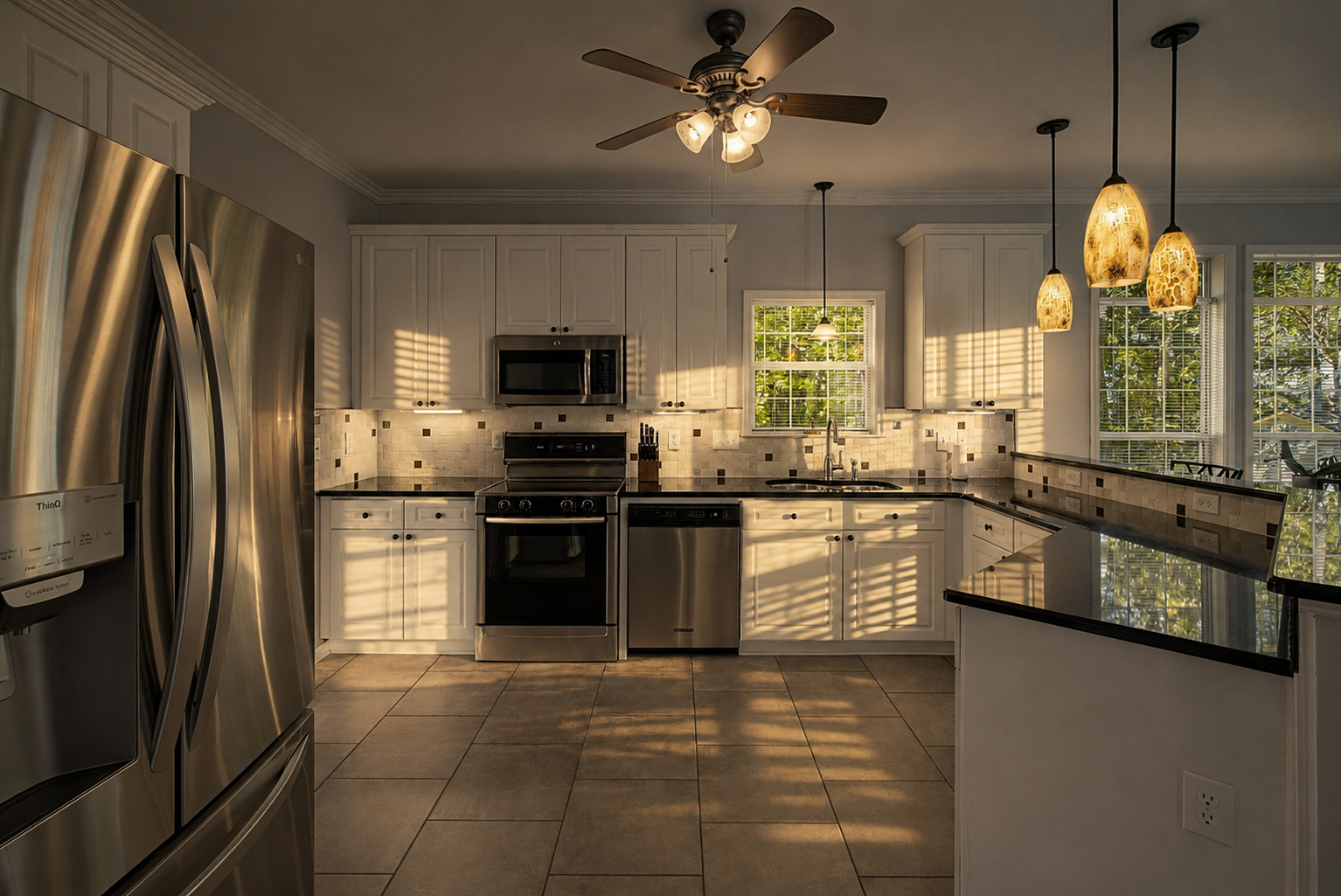
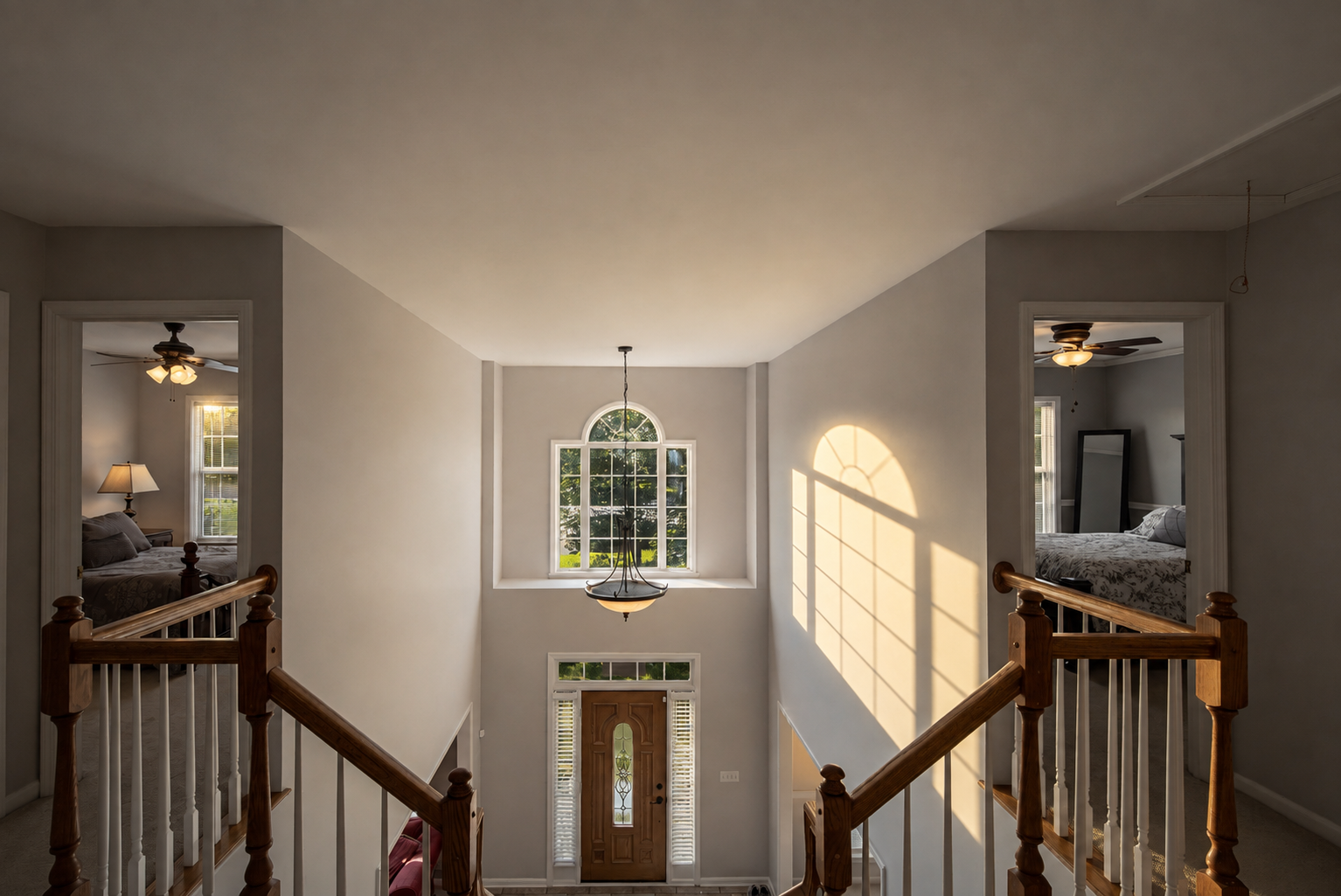
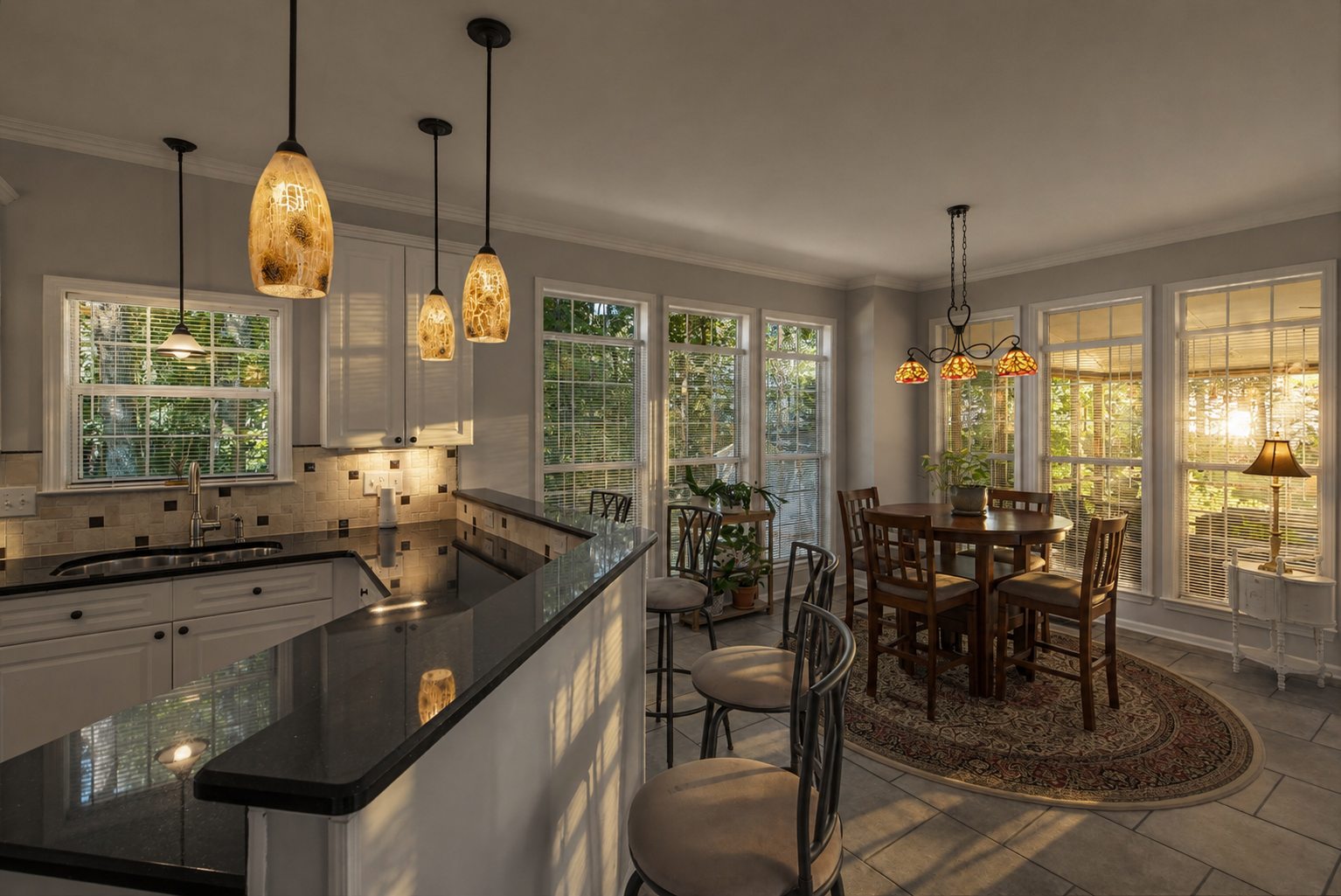
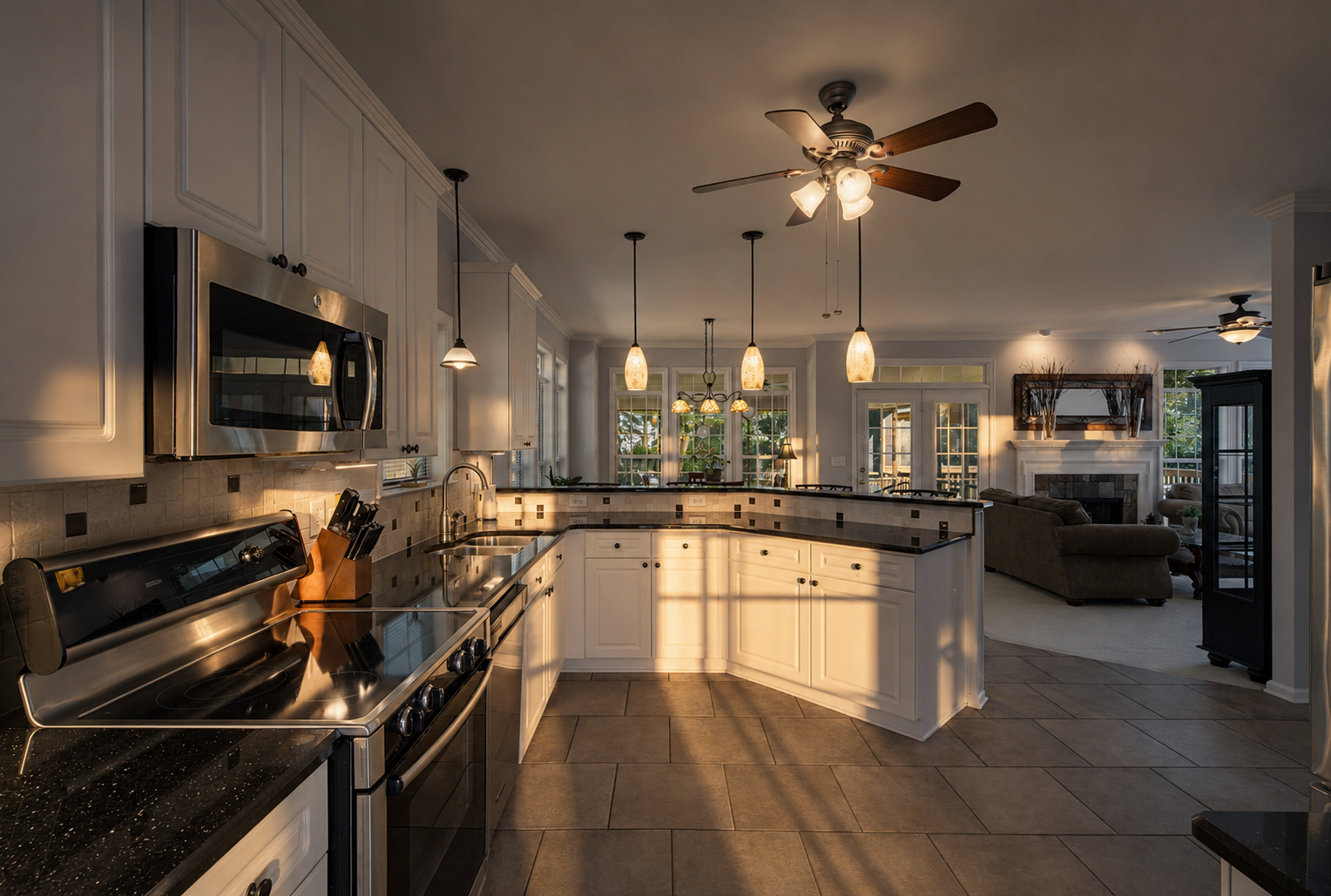
We ran a coming soon window before going live. The house sat in coming soon status for ten days while we finished photography and Larry and Ruth got the house ready. That preparation is theirs, not ours. We told them what buyers would notice and they did the work, which is why the photos look like the house rather than like a house.
We went live on a Monday and let the weekend do its job. The listing went active the morning of June 8. Ten showings came through in the first four days, including two the same afternoon it went public.
We put every offer in front of them side by side. Three offers arrived by Wednesday. Rather than take the highest number and move on, we walked Larry and Ruth through what each one actually meant for their timeline, since a strong price on a contract that closes too late is worth less than a slightly lower one that lands on the day their purchase needs it.

Two closings, one day.
The purchase closed that same day. There was a punch list on the house they were buying, and our contractor walked it with them before closing so nothing carried over into their first week.
Then the part that is harder to put a number on. They signed for one house and then the other, handed over the keys to the cul-de-sac they had pulled into for twenty years, and picked up the keys to a house with no stairs in it. No rental. No guest room. No storage unit holding their furniture while they waited for something to line up. That night they slept in the new place.

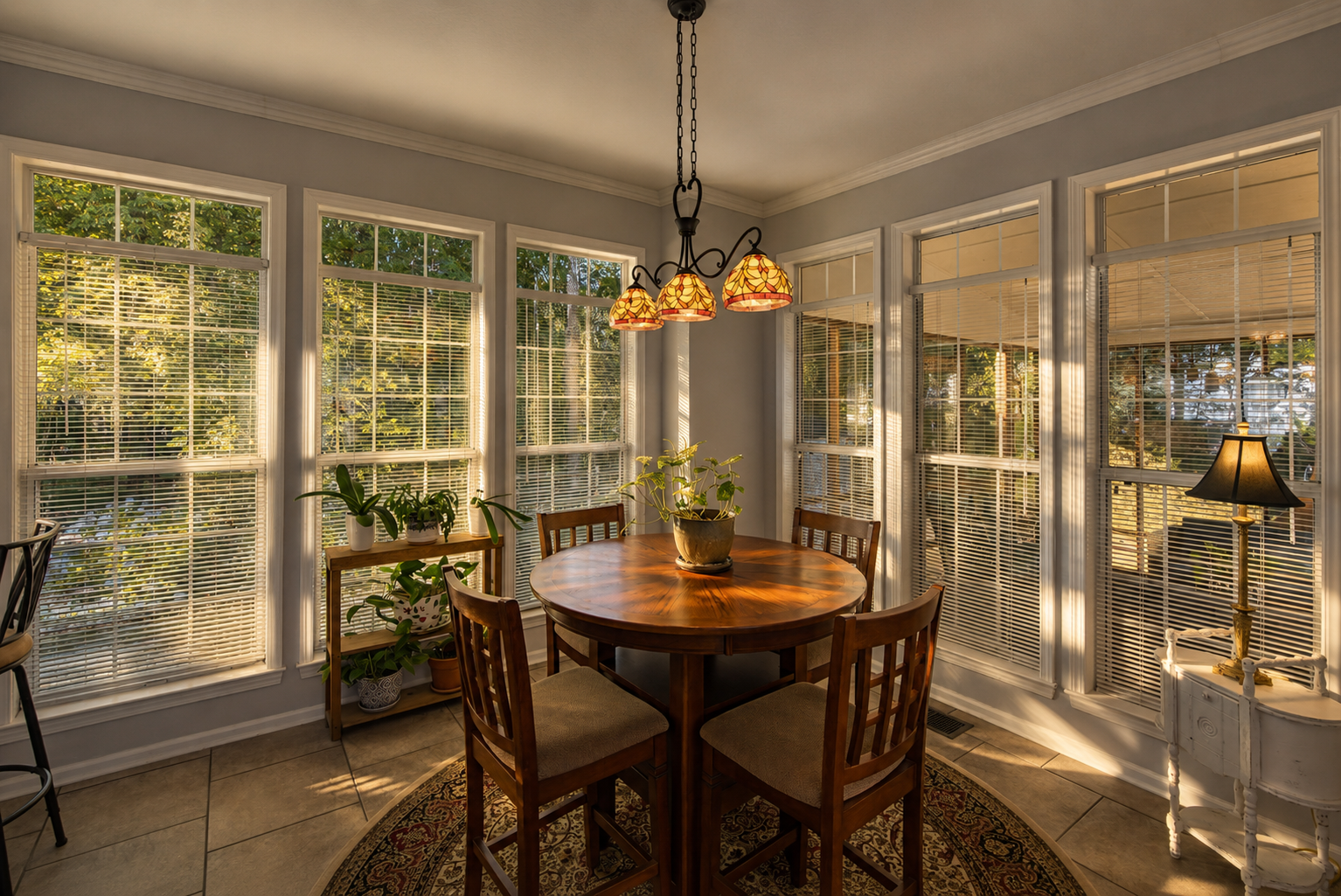
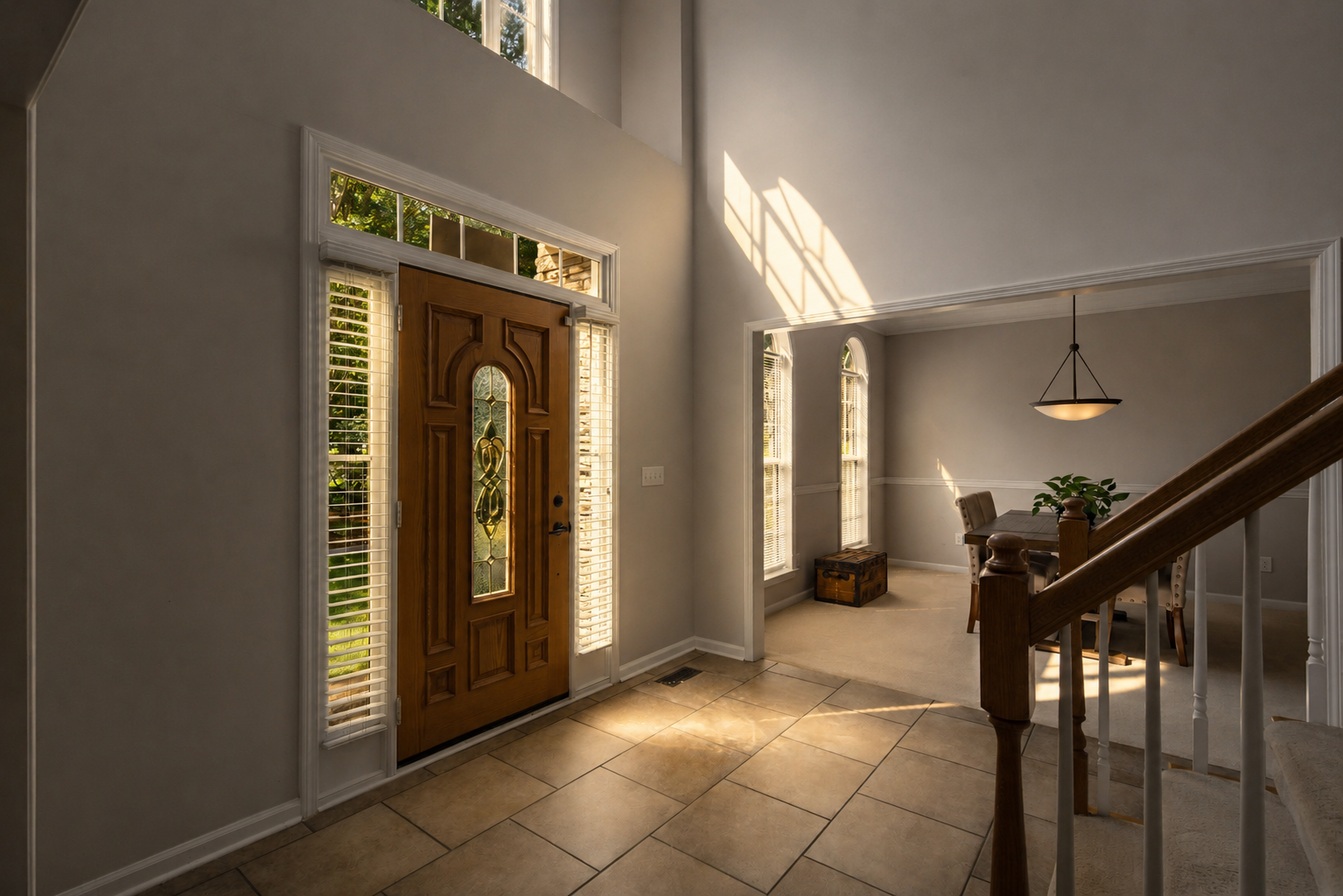
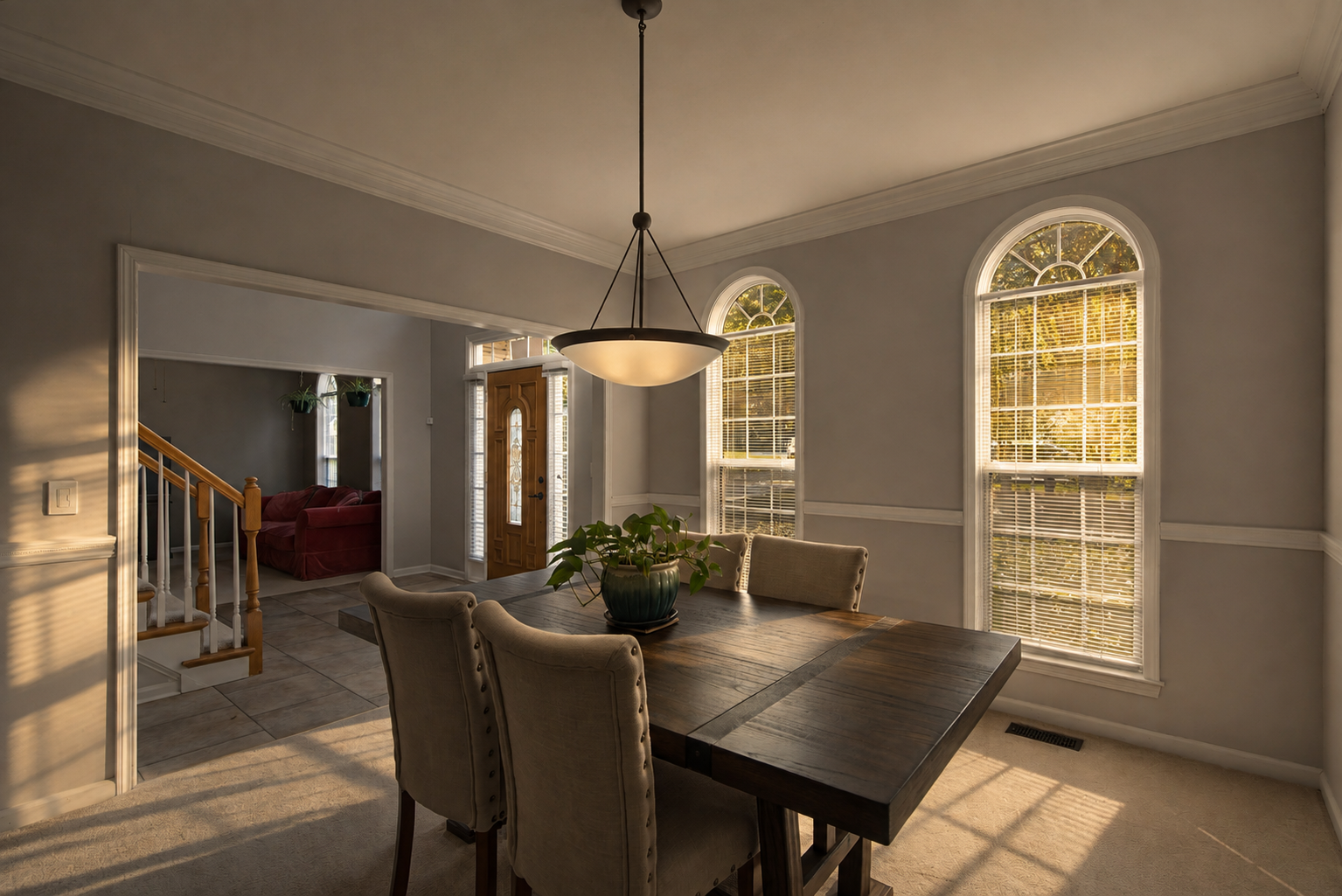
How the market responded
We did not wait for the right buyer to find the listing. The point of getting that many of the right buyers through the door in the same week is that they stop considering and start competing. One of them came in well above asking. Larry and Ruth took the cash offer on Thursday, three days after the sign went in the yard.
Then it fell through. The inspection turned up items in the crawlspace that Larry and Ruth had never known about, and the buyer walked before anyone could do anything about them.
We had our contractor out there that week. The work got done and it got documented. Then we put the house back on the market and told every agent who called exactly what had been found, what had been fixed, and who had fixed it. A house that comes back with no explanation makes buyers nervous. A house that comes back with a receipt does not.
Seven more showings in six days. Two separate buyers, who knew nothing about each other, came back with the same number: $510,000.
The second contract held. It closed on August 5 at $510,000, ninety-nine percent of list, nine days on market across both rounds.

“We did love our experience with Josh and Brody!! It was very overwhelming for us since it’s been 20 years since we have bought or sold any property but they both had a way of talking us through every step and making us feel like everything was going to be okay. It was a challenging process but without Josh and Brody it would have been traumatic.”
-Larry and Ruth W., Mint Hill
this wasn’t luck, it was arithmetic.
We do this often enough that it no longer surprises us, and we do not say that to brag. We say it because almost nothing that happened here was an accident.
The two closings landed on the same day because two people were working the two sides from the first week. The house drew three offers by Wednesday because the right buyers were standing in it at the same time. It came back from a termination without losing a dollar because the repairs were done and documented before it went back out. Those are decisions, and we make them the same way every time. Our listings go under contract in a median of 22 days and sell for 98.24% of list price, against a Canopy MLS market average of 96.29%.
Here is the more useful question, though. That was the right plan for Larry and Ruth. Is it the right plan for you?
Probably not, at least not exactly. Theirs hinged on two closings landing together because the purchase was funded by the sale. Yours might hinge on a school calendar, a job start date, a rate lock, or a parent who needs you closer. We have run all of those, and none of them look like this one.
So the first conversation is not about listing. It is about what your move actually has to do, and in what order, before anything goes on the market.
Let us help you make moving easier.
Start with the number.
What your home would bring today, what that leaves you after the mortgage, and what it puts you in range of next. If you're only buying, we can start there instead. No obligation either way.
-
Yes, and it is more common than most people expect. It works when both transactions run on one schedule from the start, with a sale closing date the purchase can realistically meet. Larry and Ruth closed on both the same day and moved directly from one house to the other. The risk is a contract falling through on either side, so the schedule needs slack built in rather than a perfect sequence that only works if nothing moves.
-
During the due diligence period a buyer in North Carolina can terminate for any reason and receive their earnest money back, though the due diligence fee generally stays with the seller. The home returns to the market. Buyers who see it come back often assume something is wrong, which is why how quickly and how openly a listing returns matters. This home went back under contract six days later at nearly the same price.
-
Not necessarily. Moving directly from one home to the next requires both closings to land on or near the same day, which takes coordination but is achievable. The alternatives are a rent-back agreement with your buyer, a bridge loan, or temporary housing. Which one fits depends on whether your purchase depends on proceeds from the sale, as it did here.
-
It depends on price, condition, and timing more than location. This home was under contract in three days and spent nine total days on the market across two contracts. That is faster than typical. A realistic expectation for a well-prepared, correctly priced home in the Mint Hill area is a matter of weeks rather than days.
-
In most cases, start looking before you list but do not commit before you have a contract. Knowing what you are buying shapes what you can accept on the sale. Making an offer before your own home is under contract puts you in a weak negotiating position and carries real risk if the sale slips.
-
201 transactions between November 2023 and August 2026, totaling $115.6 million in closed volume, per Canopy MLS. Josh Finigan has closed 484 transactions totaling $208.1 million over his career. Those two figures overlap and should not be added together.
-
98.24% of list price across 201 transactions, against a Canopy MLS market average of 96.29% over the same period. On a $500,000 home that difference is roughly $10,000. Nearly 42% of listings sold at or above the asking price.
-
The median is 22 days on market. More than half, 56.7%, go under contract within 30 days, and a third within 10 days. The average of 38.6 days runs higher because a small number of properties take much longer, which is why the median is the more useful number when you are trying to plan a move.
-
37 cities and towns across the greater Charlotte region, including Charlotte, Fort Mill, Concord, Mooresville, Huntersville, Waxhaw, Mint Hill, Indian Trail, and Clover, on both sides of the North Carolina and South Carolina line. The average sale price is $575,120 and the median is $500,000, though the range runs from starter homes to properties above $2 million.
-
It happens, including in this story. A buyer can walk during due diligence for any reason at all, and no agent can prevent that. What we can do is put the home back on the market quickly, be straightforward with the next buyer about what came up, and keep the closing timeline intact. Plan for the possibility and it becomes a delay instead of a crisis.
