Most Charlotte sellers ask the same three questions before they list: what should I fix, what can I leave alone, and how will buyers find my home? The answers have real dollar value. With more homes on the market than a year ago, the listings that look cared for and show well online are the ones that sell at strong prices.
This guide is part of our Home Selling Tips for Charlotte NC series. It covers a prep timeline, which repairs pay off, how North Carolina and South Carolina disclosure rules affect your choices, how to stage the rooms buyers care about most, and what a complete listing marketing plan should include.

Why does home prep matter in the Charlotte market right now?
The Charlotte region slowed in August 2026. According to the Canopy Realtor Association, new listings, pending sales, and closed sales all fell compared with both July and August of last year. Prices held up. The regional median sales price rose 0.6% year over year to $427,500, and the year-to-date median sits at $430,000.
Inventory tells the rest of the story. Active listings across the region grew 7.1% to 13,574 homes, which works out to about 3.7 months of supply. That is still below the six months generally considered a balanced market, but buyers have more homes to compare than they did a year ago. In the City of Charlotte, sellers received 96.5% of their original list price in July, down from 96.9% the prior July, and homes averaged 40 days on market compared with 38.
What that means for you: buyers are lining your home up next to every other listing in the same price range and judging them side by side, first online and then in person. Condition and presentation are what separate the homes that sell close to list price from the ones that sit and take price cuts. If you want a fuller picture of timing, our guide on how long it takes to sell a house in Charlotte breaks down days on market and closing time.
When should you start preparing your house to sell?
Six to eight weeks before your target list date is a comfortable window for most homes. It gives you time to find out what needs attention, get bids, schedule contractors, and still have a few days for cleaning, staging, and photos without rushing. If you already know you need a big-ticket item like a roof or an HVAC replacement, start earlier, since those jobs depend on contractor availability.
Here is the sequence we walk most sellers through:
8 weeks out: Walk the home with your listing agent, talk through pricing, and decide whether a pre-listing inspection makes sense.
6 to 7 weeks out: Collect repair bids and book contractors. Start decluttering closets, the garage, the attic, and storage areas.
4 to 5 weeks out: Complete repairs, touch-up paint, and yard work. Pull together receipts, warranties, and any permits for completed work.
2 to 3 weeks out: Deep clean, stage the main rooms, and gather documents like HOA information, utility history, and appliance manuals.
Final week: Professional photos, video, and a floor plan, plus your disclosure forms completed with your agent's guidance.
Working in this order matters. Photos taken before repairs and staging are finished end up being retaken, and repairs started after the listing goes live tend to show up in showings and listing feedback.
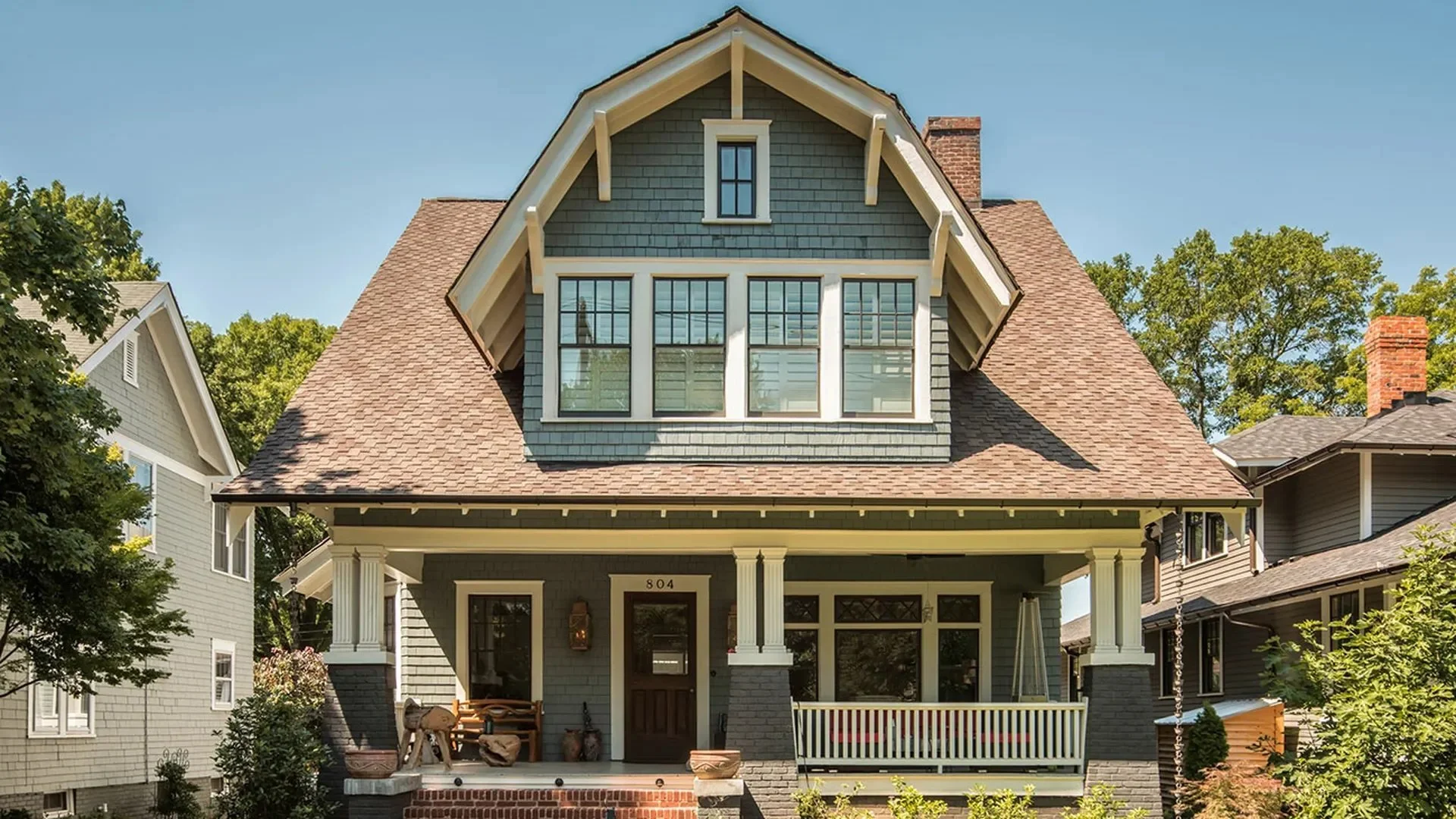
Should you get a pre-listing inspection?
A pre-listing inspection is a standard home inspection that you order before your home goes on the market, instead of waiting for the buyer's inspector to find things during due diligence. Most Charlotte-area inspections cost about $300 to $650, depending on square footage, the age of the home, and the foundation type. Crawlspace homes take longer to inspect than slab homes, and add-ons like radon testing or a sewer scope cost extra.
The main benefit is control. You see what a buyer's inspector is likely to see, on your own schedule, and you can get repair bids without a contract deadline hanging over you. It also helps your agent price the home accurately, because you are no longer guessing about the roof, the HVAC system, or the crawlspace. North Carolina's humidity, common crawlspace construction, and termite activity mean those areas deserve a close look in many Charlotte homes.
There is one trade-off to understand. Once an inspection tells you about a defect, you know about it, and that knowledge affects how you answer your disclosure statement and what your listing broker must share with buyers. For most sellers, learning early is far better than learning in the middle of the due diligence period. Talk it through with your agent before you book the inspection so you have a plan for what you find.

Which repairs are worth making before you list?
We sort pre-listing repairs into three groups. The goal is to spend money where buyers notice it and where inspectors will flag it, and to avoid spending it where buyers would rather make their own choices.
Fix first: safety, water, and systems. Active roof leaks, signs of water intrusion, plumbing leaks, electrical hazards, an HVAC system that does not heat or cool, wood rot, and loose steps or railings. These items show up on nearly every inspection report, they worry buyers more than their actual repair cost, and some of them can create problems with appraisals or loan approval.
Refresh: low-cost cosmetic work. Neutral interior paint, patched drywall, new caulk around tubs and sinks, updated light fixtures and cabinet hardware where they are clearly dated, cleaned or replaced carpet, pressure-washed siding and walkways, and fresh mulch or pine straw in the beds. Each item is small, but together they tell buyers the home has been cared for.
Usually skip: large remodels. A full kitchen or bathroom renovation done right before a sale rarely returns its full cost, and buyers often want to pick their own finishes. A clean, working, neutral kitchen typically does more for you than a rushed remodel.
The national data backs up the exterior-first approach. In Zonda's 2025 Cost vs. Value Report, the most recent edition, eight of the top ten projects for resale return were exterior replacements. A minor kitchen remodel was the only interior project in the top five. The table below shows national averages for several of those projects.
| PROJECT | AVG. JOB COST | VALUE AT SALE | COST RECOUPED |
|---|---|---|---|
| Garage door replacement | $4,672 | $12,507 | 267.7% |
| Steel entry door replacement | $2,435 | $5,270 | 216.4% |
| Manufactured stone veneer | $11,702 | $24,328 | 207.9% |
| Minor kitchen remodel | $28,458 | $32,141 | 112.9% |
| Vinyl siding replacement | $17,950 | $17,313 | 96.5% |
| Wood deck addition | $18,263 | $17,323 | 94.9% |
Source: Zonda 2025 Cost vs. Value Report, national averages. Charlotte-area costs and resale values will differ, and results for any single home depend on its condition, price point, and neighborhood.
These figures are a guide for priorities, not a promise for your house. A worn garage door or front door on an otherwise solid home is often the easiest win, because it sits in the very first listing photo and is the first thing buyers see when they pull up for a showing.

How do North Carolina and South Carolina disclosure rules affect repairs?
In North Carolina, most sellers of residential property with up to four units must give buyers two forms: the Residential Property and Owners' Association Disclosure Statement and the Mineral and Oil and Gas Rights Mandatory Disclosure Statement. On the residential form, you answer each question Yes, No, or No Representation. Answering No means you have no actual knowledge of a problem, so answering No when you do know about one exposes you to a misrepresentation claim. If something changes after you answer Yes or No, such as a new roof leak, you must give the buyer a corrected statement or fix the problem.
North Carolina also puts a separate duty on your listing broker. Even if you choose No Representation, your broker must disclose any material fact they know about or reasonably should know about. In practice, a defect found in a pre-listing inspection that your agent knows about will be disclosed to buyers either way. Buyers also have a three-day right to cancel the contract if the disclosure statements are not delivered by the time they make an offer.
If you are selling in Fort Mill, Tega Cay, Rock Hill, Lake Wylie, or elsewhere in York County, South Carolina rules apply. Sellers there complete the South Carolina Residential Property Condition Disclosure Statement under S.C. Code Section 27-50. It also offers Yes, No, and No Representation, but the current form, effective June 2023, states that No Representation should not be selected simply to avoid disclosing a known issue and does not waive liability if the owner knows of a problem. If information on the form becomes inaccurate, the seller must deliver a corrected statement or make reasonable repairs before closing.
The practical takeaway on both sides of the state line: fixing known issues before you list makes your disclosure simpler and gives buyers fewer reasons to renegotiate later. This section is general information, not legal advice. For questions about a specific answer on your form, talk with a real estate attorney.
How are repair requests handled after you accept an offer?
In North Carolina, the standard Offer to Purchase and Contract (Form 2-T) includes a due diligence period. The buyer pays a due diligence fee, completes inspections and appraisals, and can terminate the contract for any reason before that period ends. You are not automatically required to make repairs. Instead, the buyer usually sends a repair request based on their inspection, and the two sides negotiate.
You generally have three choices for each item. You can complete the repair with a licensed contractor and provide receipts, you can offer a closing cost credit or price reduction, or you can decline. Repairs settle the concern for good but take time to schedule. Credits keep the closing on track and let the buyer choose their own contractor, though lender rules can limit how large a credit can be. Declining is an option too, as long as you understand the buyer can still walk away during due diligence.
This is where pre-listing work pays off. When a buyer's inspection turns up mostly minor items, and you can hand over receipts for the major work you already completed, the negotiation tends to be shorter and the price you agreed to is more likely to hold. South Carolina contracts use different forms and timelines, so York County sellers should review the terms with their agent and closing attorney.

How should you stage your home for Charlotte buyers?
Staging is about helping buyers picture themselves living in the house. In the National Association of REALTORS 2025 Profile of Home Staging, 83% of buyers' agents said staging made it easier for buyers to visualize the property as their future home. Buyers' agents ranked the living room as the most important room to stage (37%), followed by the primary bedroom (34%) and the kitchen (23%). The guest bedroom came in last at 7%.
Staging can show up in the offers, too. In the same report, 29% of sellers' agents said staging led to a 1% to 10% increase in the dollar value offered, and about half said it reduced time on market. Results vary by home, but those are meaningful numbers when you compare them with the cost of a few weeks of focused prep.
You do not need to stage every room. Focus your time and budget where buyers focus their attention:
Living room: Remove extra furniture so the room feels open, arrange seating around a focal point, and clear side tables and shelves down to a few simple pieces.
Primary bedroom: Neutral bedding, cleared nightstands, and closets that are half full so they look roomy.
Kitchen: Clear countertops except for one or two items, clean the appliances inside and out, and store small appliances and dish racks.
Whole house: Remove personal photos and collections, deep clean, open the blinds, use matching bulb colors, and handle pet areas and odors before photos.
Curb appeal: Pressure wash, edge the lawn, refresh mulch or pine straw, and make sure the front door, house numbers, and porch light look sharp.
If your home is vacant, professional staging of the main living areas is worth considering, since empty rooms tend to photograph smaller than they are.

What should a home marketing plan include?
Your listing photos are your first showing. In the 2025 NAR staging report, 88% of sellers' agents said photos were important to their clients, followed by video (47%) and physical staging (43%). On the buyer side, buyers' agents rated photos (73%), physical staging (57%), video (48%), and virtual tours (43%) as highly important. All the prep work above is what makes those photos strong.
A complete marketing plan for a Charlotte listing should include:
Professional photography taken after repairs and staging are done, with twilight or drone shots when the home and lot call for them.
Video and a floor plan, so buyers relocating from out of town can understand the layout before they book a flight or a showing.
Pricing based on current comparable sales, since even great marketing struggles to overcome a price that is out of line with the market.
Strong MLS remarks and syndication to the major search portals, written to highlight the features buyers in your price range search for.
Targeted digital outreach through social media, email, and direct contact with agents who work with buyers in your area.
Showings and open houses scheduled for maximum traffic, with feedback collected and reviewed with you each week.
Some sellers prefer a quieter launch. Canopy MLS offers limited exposure options, and our guide to private listings in Charlotte explains the trade-offs between privacy and reaching every possible buyer.
At The Finigan Group, prep and marketing run through our 200-Step Marketing Plan, which covers everything from the first walkthrough to closing day. That process is how our listings average a 99.27% list-to-sale price ratio and a 17-day average sale time. We back it with our 29-Day Sale Guarantee, and for sellers who would rather skip prep entirely, our Instant Offer tool gives you a cash option to compare. If you are still deciding who to hire, our guide on how to choose the best listing agent in Charlotte covers the questions to ask.
Frequently asked questions about preparing a house to sell
Do I have to make repairs before selling a house in North Carolina?
No. North Carolina law does not require a seller to make repairs before listing. You do have to complete the required disclosure statements honestly, and buyers can ask for repairs during the due diligence period. Most sellers still fix safety, water, and major system problems before listing because those items tend to come back as repair requests or price objections.
How much does a pre-listing home inspection cost in Charlotte?
Most standard home inspections in the Charlotte area run about $300 to $650. Price depends on square footage, the age of the home, and the foundation type, with crawlspaces taking longer than slabs. Add-ons like radon testing or a sewer scope cost extra.
Which repairs add the most value before selling?
In Zonda's 2025 Cost vs. Value Report, the top national performers were exterior projects: garage door replacement recouped about 268% of its cost, steel entry door replacement about 216%, and manufactured stone veneer about 208%. Inside the home, fresh neutral paint, fixed leaks, and working systems usually matter more than a large remodel.
Is it better to make repairs or offer the buyer a credit?
It depends on the item and the timeline. Completing a repair with a licensed contractor and keeping the receipt can settle a concern for good. A closing credit or price reduction keeps the closing date on track and lets the buyer pick their own contractor, though lender rules can limit how large a credit can be. Your agent can help you weigh both against what similar homes are offering.
How long does it take to get a house ready to sell?
Six to eight weeks is a comfortable window for most Charlotte homes. That leaves time for an inspection, contractor scheduling, paint, staging, and professional photos. Homes that need a roof, HVAC system, or major cleanout may need longer.
Can I sell my Charlotte house as-is without any prep?
Yes. You can list a home as-is, and some sellers choose a direct cash offer instead of preparing the home for the open market. The trade-off is usually price. A home that has been repaired, cleaned, staged, and well marketed typically draws more buyers than one that has not.
Don’t take our word for it
See what our clients say:
We’re Social! Lets Connect:
What is Your Home REALLY Worth?
Use our home value estimator to get a free, instant home-value estimate.
Enter your address
Is this the correct address?
Who should we send the report to?
We're pulling comps for your home right now. Let us know where to send your personalized analysis.
Where should we send your custom report?
We'll email a detailed CMA and comparable sales analysis.
You're all set, friend!
* This is a rough estimate of your home's value. We'll be in touch shortly to gather a few more details so we can provide a more in-depth and accurate equity evaluation in today's market.

Thinking About Moving
to Charlotte?
Make your move easier with our Free Charlotte Relocation Guide. Get insider details on neighborhoods, schools, commute times, cost of living, local hotspots, and more — all in one helpful guide.
Click below to access your free relocation guide and start exploring Charlotte like a local.
Download NowReady to get your Charlotte home ready to sell?
Good prep comes down to a few decisions made in the right order: find out what needs attention, fix what buyers and inspectors care about, present the home well, and market it where buyers are looking. Each step makes the next one easier, and together they protect your price.
Start with a clear number. Use our free home value tool on this page to see what your home could sell for today, then reach out to our team at (704) 200-9833. We will walk your home with you, tell you which repairs are worth making and which to skip, and build a prep and marketing plan around your timeline. For more seller guides, visit our full Home Selling Tips for Charlotte NC hub.
