You own a house in Charlotte, someone is renting it, and you want to sell. Can you list it with the tenant still inside, or do you have to wait for the lease to end first?
You can sell with a tenant in place, and the lease does not end just because the house sells. This guide covers how North Carolina leases and security deposits work at closing, how to handle showings, who buys a tenant-occupied home, and when it makes sense to ask the tenant to leave early or wait for the lease to run out.
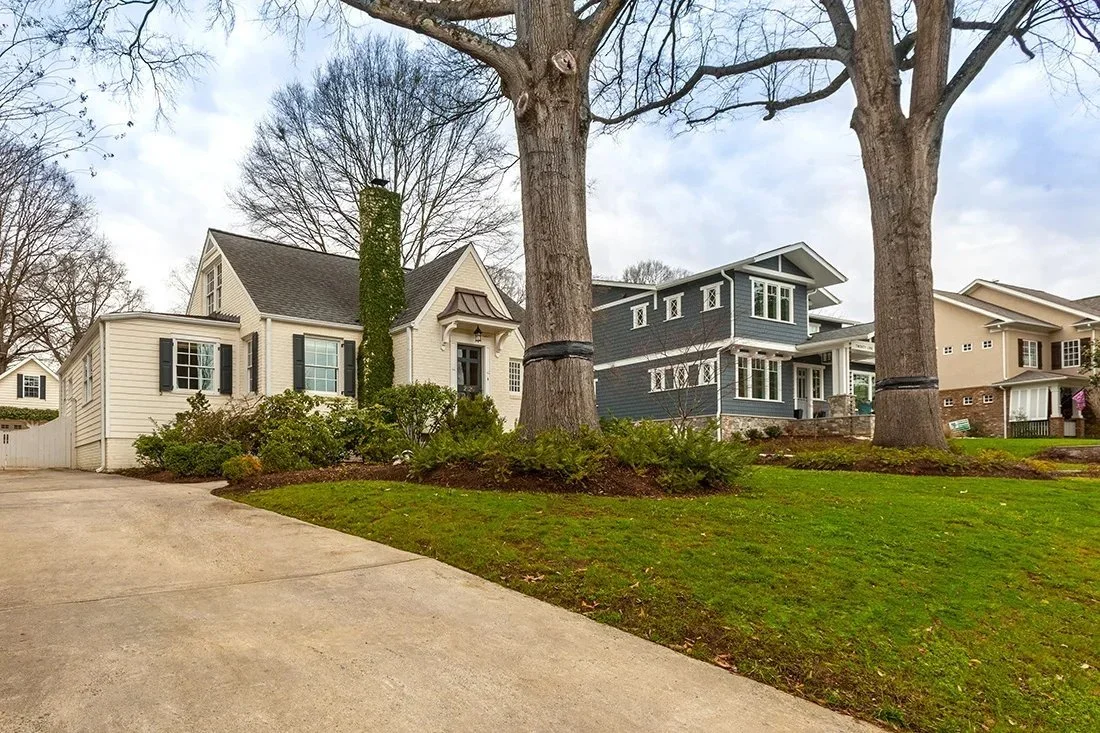
Can You Sell a House With a Tenant in It in Charlotte?
Yes. North Carolina does not stop you from selling a rental home while someone is living in it, and you do not need the tenant's permission to list or sell. A tenant in place is a situation to manage, not a barrier.
What you cannot do is end a lease early simply because you sold the house. A buyer takes the home subject to the existing lease. That one rule shapes almost every decision in this post: who your buyer is, how you show the home, what the contract says, and whether you sell now or wait.
Charlotte sellers usually land in one of three spots. The lease has months left and the tenant pays on time. The lease is month to month. Or the tenant is behind on rent or in a dispute with you. The first two are very sellable. The third needs more care, and you should talk with a landlord-tenant attorney before you list.

What Happens to the Lease When You Sell the House?
The lease stays attached to the property. When the sale closes, the buyer becomes the landlord. Rent, the end date, the pet rules, and every other term stay the same. The buyer cannot raise the rent in the middle of a fixed term and cannot ask the tenant to leave just because ownership changed.
A buyer can end a tenancy only the ways you could. That means going through the court process for a lease violation such as unpaid rent, or declining to renew when the term ends and giving the notice the lease and state law require. For tenants without a fixed term, such as month to month, North Carolina sets short notice periods under G.S. 42-14. Have your attorney confirm the correct notice for your tenant's situation before anyone sends one.
Because the buyer inherits the lease, they will read it before they commit. Gather the lease, any addenda, the rent ledger, and any side agreements early. A buyer who gets a clean, complete lease file on day one is far more likely to make a confident offer.

What Happens to the Tenant's Security Deposit at Closing?
The deposit belongs to the tenant, and it is not part of your sale proceeds. Under G.S. 42-54, when your interest in the home ends by sale, you have 30 days to do one of two things. You can transfer the remaining deposit to the buyer and notify the tenant by mail of the transfer, including the buyer's name and address. Or you can return the remaining deposit to the tenant.
In practice, the transfer usually happens at closing. The NC REALTORS Additional Provisions Addendum (Form 2A11-T) includes a Rental/Income/Investment Property provision. It states that the property is conveyed subject to existing leases and that the deposit goes to the buyer at settlement. Your closing attorney documents the credit on the settlement statement. Any pet fee needs its own decision, so settle up front whether it moves to the buyer.
Do not keep the deposit because you spotted a repair. Lawful deductions follow their own rules, and handling a deposit the wrong way can leave you liable after the sale.
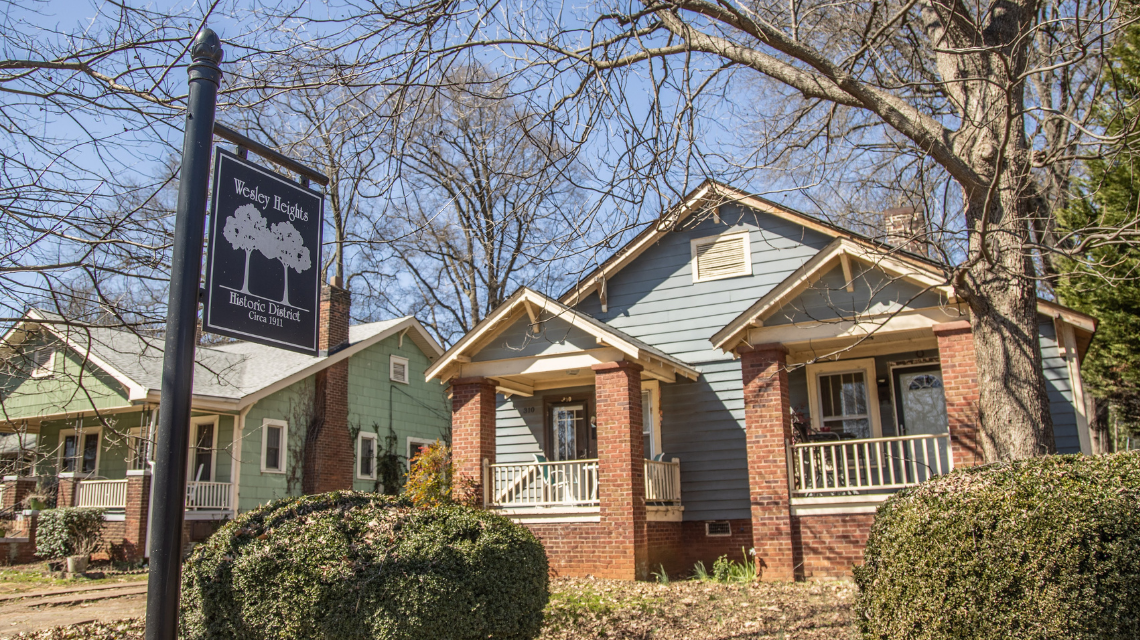
How Do You Handle Showings With a Tenant Living There?
This is where most tenant-occupied sales are won or lost. North Carolina has no statute that sets a specific notice period for a landlord to enter a rental. The lease and the tenant's right to quiet enjoyment control. Many Charlotte leases spell out notice, so read yours first. If the lease is silent, 24 hours of written notice is the common standard, and anything less invites a complaint.
A cooperative tenant is your best marketing asset. Talk to them before the sign goes up. Explain the timeline, agree on set showing windows, and ask them to keep the home tidy. Some landlords offer a small rent credit for flexibility. Put any arrangement like that in writing.
Plan the logistics around the tenant, not around the buyer. Use a showing service that requires notice, limit showings to set days, and schedule any open house on a day the tenant agrees to. Showings that are hard to book make a listing sit, so read our guide on how long it takes to sell a house in Charlotte to set realistic expectations.

Who Buys a Tenant-Occupied House?
Two kinds of buyers show up. Investors want the rent. A home with a reliable tenant and a lease already in place is an income stream from day one, so some investors value it for exactly that reason. They will ask for the lease, the rent history, and sometimes the tenant's payment record.
Owner-occupant buyers want to live in the home. A tenant with six months left on a lease does not fit their plan, because they take the property subject to that lease and cannot move in until it ends. Some will still buy if the lease ends soon or if you negotiate a move-out date with the tenant before closing. Many will pass.
Your price and your timeline depend on your buyer pool. A rental in a strong investor area, with a market-rate lease and a dependable tenant, can do well as is. A rental in a family neighborhood where buyers want to move in may sell better after the lease ends. An agent who knows both groups can tell you which side your home falls on before you pick a strategy.

Should You Sell With the Tenant or Wait for the Lease to End?
There is no single right answer. This table compares the three common paths. It is a side-by-side of tradeoffs, not a price forecast, so ask for a pricing opinion on your specific home before you decide.
| OPTION | BEST WHEN | BUYER POOL | MAIN TRADEOFF |
|---|---|---|---|
| Sell with the tenant in place | The tenant pays on time and the lease is reasonable | Mostly investors, plus owner-occupants near the lease end | Fewer showings and a smaller buyer pool |
| Wait for the lease to end, then list vacant | The lease ends within a few months | Investors and owner-occupants | You carry the home and its risk until then |
| Negotiate a move-out, then list vacant | The tenant is willing and you want owner-occupant buyers | The widest pool | You may pay the tenant to leave |
Can You Ask the Tenant to Leave Early?
You can ask. You cannot force a tenant with a valid fixed-term lease to leave because you want to sell. The clean route is a voluntary agreement, often called cash for keys. You offer money, moving help, or a waived final month, and the tenant agrees in writing to move out by a set date.
Put every term in a signed agreement that names the move-out date, the amount, how the deposit will be handled, and the condition the home must be left in. Pay on the day the keys come back and the home passes a walkthrough. Have your attorney draft or review the agreement.
Never change the locks, remove belongings, or shut off utilities to push a tenant out. North Carolina requires landlords to use the court process to remove a tenant, and a lockout can create serious liability for you and scare off buyers.

What Paperwork Changes When the Home Has a Tenant?
The standard Offer to Purchase and Contract (Form 2-T) is built around a buyer getting possession at closing. A tenant-occupied sale adds provisions. The Rental/Income/Investment Property provision in Form 2A11-T is the usual starting point. It covers the sale subject to existing leases, a deadline for the seller to deliver copies of the leases and rental details, and how the deposit and any pet fee transfer.
Expect the buyer to ask for these items:
The signed lease and every addendum
The rent ledger or payment history for the past year
The deposit amount and where it is held
Any repair requests from the tenant and how they were handled
Any notices sent to or received from the tenant
Be clear about possession. In a normal sale the buyer gets the keys at closing. With a tenant, the buyer gets the lease instead, and the contract should say so plainly. If you promised the tenant anything, such as a repair date or a rent credit, disclose it. Homes built before 1978 also carry federal lead-based paint disclosure requirements in a sale, so ask your agent and closing attorney to confirm what applies.

What About Taxes When You Sell a Rental Home?
Taxes can matter as much as the sale price. If you claimed depreciation on the home as a rental, the IRS generally recaptures that depreciation when you sell, and that portion of the gain can be taxed at up to 25 percent. You may also owe capital gains tax on the rest of the gain.
Two tools come up often. A 1031 exchange can defer the tax if you reinvest the proceeds into another investment property under strict rules and timelines. The home sale exclusion may apply in part if you lived in the home as your main home for at least two of the last five years, though depreciation taken after May 6, 1997 is not covered by it.
Talk to a CPA before you accept an offer, not after. A 1031 exchange in particular has to be set up before closing. This is general information, not tax advice.

What Is the Charlotte Market Doing Right Now?
The Canopy Realtor Association reported that the Charlotte region's median sales price rose 0.6 percent year over year to $427,500 in August 2026, with the year-to-date median at $430,000. New listings, pending sales, and closed sales all fell compared with both July and August of last year. In July, the full timeline from listing to closing ran 100 days across the region, and homes spent 55 days on the market before going under contract.
Inventory is also up. Local reporting on the Canopy data put active inventory at 13,574 properties in August, about 3.7 months of supply. More inventory and longer timelines mean a tenant-occupied listing competes with plenty of vacant homes. Realistic pricing and a clean lease file matter more than they did when homes sold in days.

How Does The Finigan Group Handle a Tenant-Occupied Sale?
Every rental sale starts with a conversation about your goals and your lease. We read the lease, estimate who your likely buyers are, and price the home for that buyer pool. Then we build a showing plan that respects your tenant's schedule and your lease terms.
The marketing is the same 200-Step Marketing Plan and HGTV-style listing video we use on every listing, backed by a team that has sold 800+ homes in Charlotte since 2016. We also coordinate with your closing attorney and CPA so the lease, deposit, and tax questions are settled before you sign an offer. If you are still comparing agents, our guide on how to choose the best listing agent in Charlotte lays out what to ask, and our home selling tips cover the rest of the process.
Frequently Asked Questions About Selling a House With Tenants in Charlotte
Can a landlord sell a house during a lease in North Carolina?
Yes. Nothing in North Carolina law stops you from selling a rental during a lease. The lease continues, and the buyer becomes the new landlord on the same terms.
Does the tenant have to move out when I sell?
No. A tenant with a valid lease can stay through the end of the term. The buyer can only remove a tenant the same ways you could, through the courts for a lease violation or by non-renewal at the end of the term with proper notice.
Who gets the security deposit when the house sells?
The deposit stays the tenant's money. Under G.S. 42-54, you either transfer the remaining deposit to the buyer and notify the tenant by mail, or return it to the tenant, within 30 days. Most contracts transfer it to the buyer at closing.
How much notice do I need to give a tenant for a showing?
North Carolina has no statute that sets a specific notice period. Follow your lease. If it is silent, 24 hours of written notice is the common standard.
Will a tenant-occupied home sell for less?
It can, because the buyer pool is smaller and some owner-occupants will pass. A home with a good tenant in a strong investor area can sell well. A pricing opinion on your specific home is the only way to know.
Should I talk to an attorney before I list?
Yes. A landlord-tenant or real estate attorney can confirm notice periods, review any early move-out agreement, and make sure the deposit transfer is handled correctly.
Don’t take our word for it
See what our clients say:
We’re Social! Lets Connect:
Table of Contents:
What is Your Home REALLY Worth?
Use our home value estimator to get a free, instant home-value estimate.
Enter your address
Is this the correct address?
Who should we send the report to?
We're pulling comps for your home right now. Let us know where to send your personalized analysis.
Where should we send your custom report?
We'll email a detailed CMA and comparable sales analysis.
You're all set, friend!
* This is a rough estimate of your home's value. We'll be in touch shortly to gather a few more details so we can provide a more in-depth and accurate equity evaluation in today's market.

Thinking About Moving
to Charlotte?
Make your move easier with our Free Charlotte Relocation Guide. Get insider details on neighborhoods, schools, commute times, cost of living, local hotspots, and more — all in one helpful guide.
Click below to access your free relocation guide and start exploring Charlotte like a local.
Download NowWant to Know What Your Rental Would Sell For?
Start with the home value tool on this page, or call or text us at (704) 200-9833. Tell us about the lease and the tenant, and we will tell you whether it makes sense to sell now, wait for the lease to end, or negotiate a move-out.
