Most sellers ask the same thing before they list: which repairs are actually worth doing, and which ones are just money out the door? The honest answer is that a small number of fixes protect your price, and a long list of upgrades does not.
This guide sorts the two. It covers what to fix before you list a home in Charlotte, what to skip, what buyer inspections tend to flag, and how to choose between repairing, giving a credit, or selling as-is.

What is the rule for deciding which repairs to make before selling?
Fix what a buyer would see as a problem. Skip what a buyer would see as a preference. That one line sorts most decisions.
A problem is something that is broken, unsafe, leaking, or likely to show up on an inspection report. A preference is a finish, a color, or a feature that a buyer may want to change anyway. Problems cost you in negotiation, and sometimes cost you the sale. Preferences rarely return what you spend on them, because the next owner is going to put their own taste into the house.
A second rule helps. Ask whether the repair is cheaper to do now than to negotiate later. A small fix before listing is quiet and easy. The same fix found by an inspector becomes a line on a repair request, and buyers tend to assume the worst about anything they did not see you handle.

Which repairs are worth doing before you sell?
The repairs that pay off are the ones tied to safety, water, and basic function. These are the items buyers and inspectors react to most strongly.
Leaks and water damage
Active leaks from a roof, a plumbing line, or a window need to be fixed, along with any staining they left behind. Water is the issue that makes buyers nervous fastest. Fix the source first, then repair the damage, so the home does not read as a risk.
Anything that does not work
Broken HVAC, a water heater that fails, doors that will not latch, windows that will not open, and outlets that do not work all give a buyer a reason to question the rest of the house. These are usually modest repairs, and doing them removes easy objections.
Electrical and safety items
Missing GFCI outlets near water, exposed wiring, loose handrails, and missing smoke or carbon monoxide detectors show up on inspections often. They are inexpensive to correct and look careless to leave.
Rot, pests, and moisture
Soft or rotted wood on decks, trim, and fascia, signs of wood-destroying insects, and moisture in a crawl space are all worth a professional look before you list. In the Charlotte area, crawl space moisture and drainage are common inspection topics, so it helps to know where your home stands.
If you are not sure whether something is a real problem, a licensed contractor or inspector can tell you quickly. A short visit costs far less than a surprise during a buyer's due diligence period.
Do cosmetic fixes like paint and cleaning pay off?
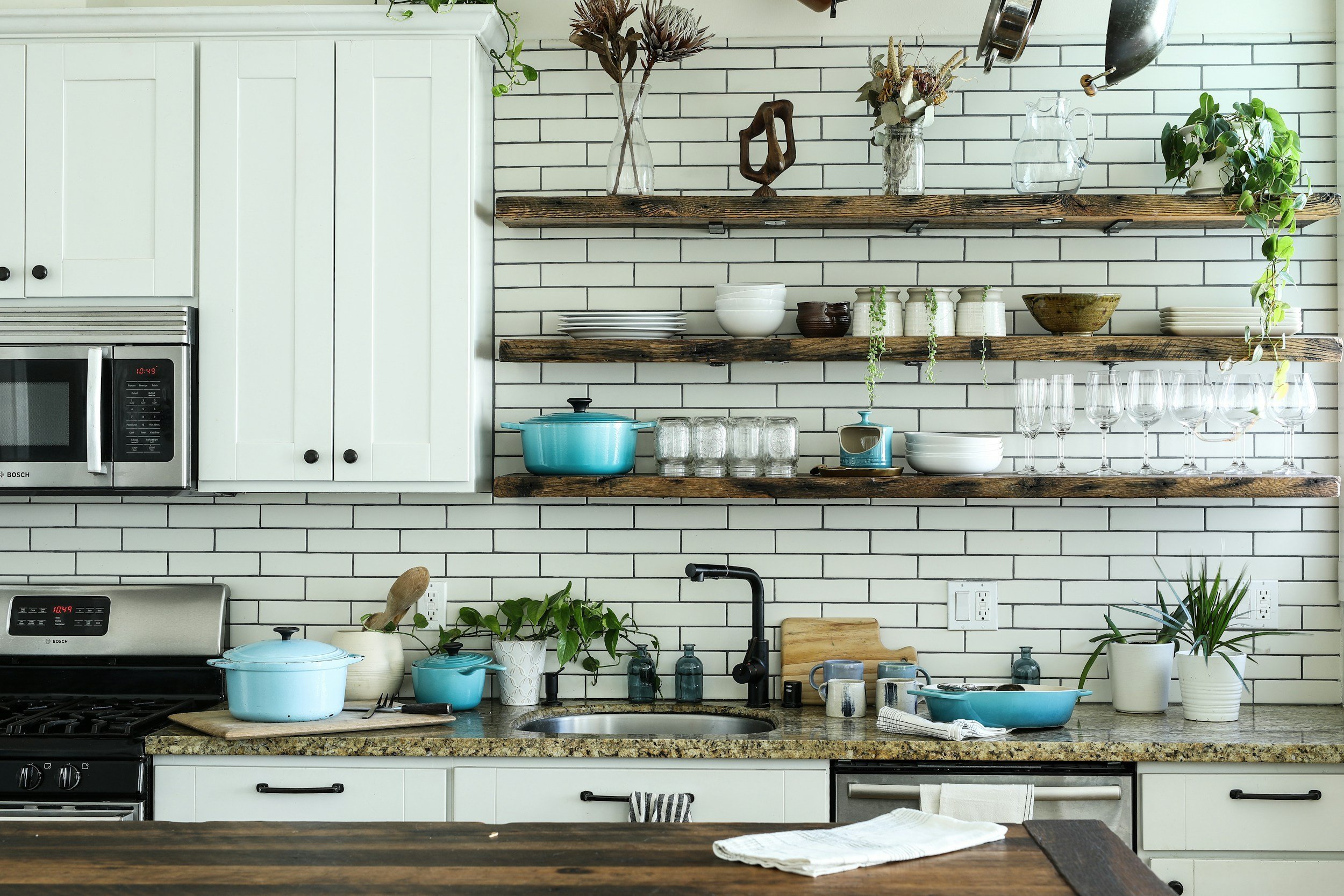
Yes, and they are usually the best value per dollar in the whole process. Cosmetic work does not change what the house is, but it changes how it photographs and how it feels on a showing. Most buyers first see your home online, so presentation decides whether they ever walk in.
Fresh neutral paint. Scuffed walls and bold colors make a house look more worn than it is. Neutral paint makes rooms look larger and cleaner, and it lets buyers picture their own furniture.
A deep clean. Carpets, grout, windows, appliances, and baseboards. A clean home signals a cared-for home, and buyers read that as fewer hidden problems.
Curb appeal. Trimmed shrubs, fresh mulch, a clean front door, pressure-washed walks, and working exterior lights. The first photo and the first impression happen outside.
Small updates. Replacing a dated light fixture, cabinet hardware, or a worn faucet can lift a room without a remodel.
Caulk and touch-ups. Fresh caulk in kitchens and baths, patched nail holes, and fixed cracks in trim all cost little and make the house look maintained.
Decluttering belongs on this list too. It costs nothing and often does more than any purchase.

Which repairs and upgrades are a waste of money before selling?
The biggest mistake sellers make is spending on projects that feel productive but do not move the price. These are the ones to think hard about before you write a check.
Full kitchen and bathroom remodels
Big remodels are expensive, take time, and rarely return what they cost when you are about to sell. Buyers often want to choose their own finishes. A clean, working kitchen with fresh paint and updated hardware usually competes well without a gut renovation.
Replacing working systems just because they are old
A roof, HVAC system, or water heater that works and has some life left generally does not need to be replaced before listing. Buyers want to know it works. If it is near the end of its life, pricing for that is often smarter than replacing it.
Brand new flooring in every room
Replacing flooring is costly, and buyers have strong opinions about it. Deep cleaning carpet or refinishing hardwood often gets you most of the visual benefit for a fraction of the cost. Replace only what is damaged or truly worn out.
Pools, outdoor kitchens, and high-end add-ons
These rarely return their cost at resale, and some buyers see them as extra maintenance. Do not build them to sell a house.
Over-improving for the neighborhood
If you spend well beyond what homes around you sell for, the market will not follow. Buyers compare your home to the others in the area, not to the amount you invested. Match the work to the neighborhood and price point.

What do buyer inspections usually flag in Charlotte homes?
Every house is different, but a few categories come up often in this market. Knowing them ahead of time lets you decide what to handle before a buyer's inspector arrives.
HVAC age and condition. Inspectors note the age of heating and cooling equipment and whether it performs. Regular service records help.
Roof condition. Missing or damaged shingles, flashing problems, and signs of leaks get written up quickly.
Crawl space moisture. Many Charlotte-area homes sit on crawl spaces, and damp conditions, vapor barrier problems, and standing water draw attention.
Grading and drainage. Water that runs toward the house instead of away from it is a frequent finding, and it connects to foundation and crawl space concerns.
Foundation and structural cracks. Some cracks are cosmetic and some are not. A professional opinion settles it, and a clear answer calms a buyer.
Wood-destroying insects. Termite and related reports are a normal part of a sale, and any past or active issue should be dealt with openly.
Electrical panels and wiring. Older panels, double-tapped breakers, and missing GFCI protection are common notes.
Plumbing and water heaters. Slow drains, active drips, and aging water heaters show up often.
A pre-listing inspection lets you see this list before the buyer does. You are not required to fix everything on it. The value is control. You decide what to repair, what to disclose, and what to price around.

Should you repair, give a credit, or sell as-is?
Once you know what is wrong, you have three paths. Each one fits certain situations.
| OPTION | BEST WHEN |
|---|---|
| Repair before listing | The fix is inexpensive, visible, or likely to scare buyers. Also when it affects safety or water. |
| Offer a credit or adjust price | The repair is large, buyers will want to pick their own contractor, or the work would delay your listing. |
| Sell as-is | You want a simpler sale, the home is priced to reflect its condition, and you accept more inspection negotiation. |
A few things tip the decision. If the repair is cheap and the problem is visible, fix it. If the repair is large and buyers will want their own contractor, a credit or price adjustment often works better. If the market is fast and the home is priced well, an as-is sale can move quickly, as long as you accept that buyers will account for the issues.
Your timeline matters too. Repairs take time to schedule and finish. If you need to list soon, concentrate on the quick, high-impact items and handle the rest through price or credit.

How does the North Carolina due diligence period affect repairs?
In North Carolina, the standard offer to purchase includes a due diligence period. During that window, the buyer can inspect the home, get quotes, and decide whether to move forward. They can ask for repairs, ask for a credit, or end the contract within the terms of the agreement.
This is why repairs matter before you list. Anything an inspector finds becomes a negotiation point inside a short, defined window. A home that has already been cleaned up, with known issues handled or disclosed, tends to go through that period with fewer requests and less tension.
It also means honest disclosure matters. North Carolina has a residential property disclosure process, and sellers should complete it accurately. Your agent can walk you through your options and what you are expected to disclose.
Don’t take our word for it
See what our clients say:
We’re Social! Lets Connect:
What is Your Home REALLY Worth?
Use our home value estimator to get a free, instant home-value estimate.
Enter your address
Is this the correct address?
Who should we send the report to?
We're pulling comps for your home right now. Let us know where to send your personalized analysis.
Where should we send your custom report?
We'll email a detailed CMA and comparable sales analysis.
You're all set, friend!
* This is a rough estimate of your home's value. We'll be in touch shortly to gather a few more details so we can provide a more in-depth and accurate equity evaluation in today's market.

Thinking About Moving
to Charlotte?
Make your move easier with our Free Charlotte Relocation Guide. Get insider details on neighborhoods, schools, commute times, cost of living, local hotspots, and more — all in one helpful guide.
Click below to access your free relocation guide and start exploring Charlotte like a local.
Download NowFrequently asked questions about repairs before selling
Do I have to make repairs before selling a house in North Carolina?
No. North Carolina does not require a seller to fix a home before listing it. You do need to complete the state's disclosure form honestly and avoid hiding known material defects. Whether you repair, credit, or sell as-is is a business decision, not a legal requirement.
Should I get a pre-listing inspection?
For many sellers it is worth it, especially on older homes or homes with a crawl space. It shows you what a buyer's inspector will find, so you can fix the cheap items, price around the big ones, and avoid surprises during the due diligence period.
Is it better to fix a problem or give the buyer a credit?
Fix it when the repair is inexpensive, visible, or likely to scare a buyer off. Offer a credit when the repair is large, when buyers will want to choose their own contractor, or when the work would delay your listing. The right call depends on the issue and the price point.
Does a new roof or HVAC system increase my sale price?
Rarely dollar for dollar. A failing roof or system will cost you in negotiation, but a working one with some life left usually does not need replacing. Buyers mostly want to know it works and what it may cost down the road.
Can I sell my Charlotte house as-is?
Yes. Many homes sell as-is. Expect buyers to price the known issues into their offer, and expect more inspection pushback on anything that affects safety, water, or major systems. Pricing accurately matters more on an as-is sale.
What should you do next?
Start with a walk through your home as a buyer would. List what is broken, what is worn, and what is simply dated. Fix the first group, clean up the second, and leave the third alone.
If you want a second set of eyes, we will walk the house with you and tell you which repairs are worth doing in your neighborhood and which ones are not. You can also start with the home value tool on this page to see where your home stands, or call, text, or email us below.
