If you are getting ready to sell, painting is probably on your list. It is also one of the first questions our sellers ask us: is a fresh coat of paint worth the money and the hassle, or will the next owner just repaint anyway?
The short answer is that in most homes, interior paint is one of the few projects that pays its way. In this post we walk through what national agent surveys and buyer research actually show, what painting costs in 2026, which colors help or hurt, and the situations where we would tell you to skip it.

What the Data Says About Painting Before You Sell
Painting is the project real estate agents recommend more than any other before a home goes on the market. In the National Association of REALTORS 2025 Remodeling Impact Report, produced with the National Association of the Remodeling Industry, 50% of agents said they recommend painting the entire home before listing, 41% recommend painting at least one interior room, and 37% recommend a new roof. Nothing else came close.
Sellers seem to agree. Zillow reports that nearly one third of homeowners paint their home before listing it. And in a Better Homes and Gardens Real Estate poll of agents reported in September 2025, three out of four agents said repainting the interior adds the most value of any pre-sale project, with some estimating it can raise a listing's value by as much as 10%, or up to $20,000.
We want to be straight with you about what those numbers are. They are agents' estimates and opinions, not a guarantee. NAR's published list of the 12 projects with the best cost recovery at resale is led by a new steel front door at 100%, followed by a closet renovation at 83%, and painting is not on that list. Painting earns its place because it changes how a home shows and photographs for very little money, not because it adds a fixed dollar amount to an appraisal.
Why Fresh Paint Works on Buyers
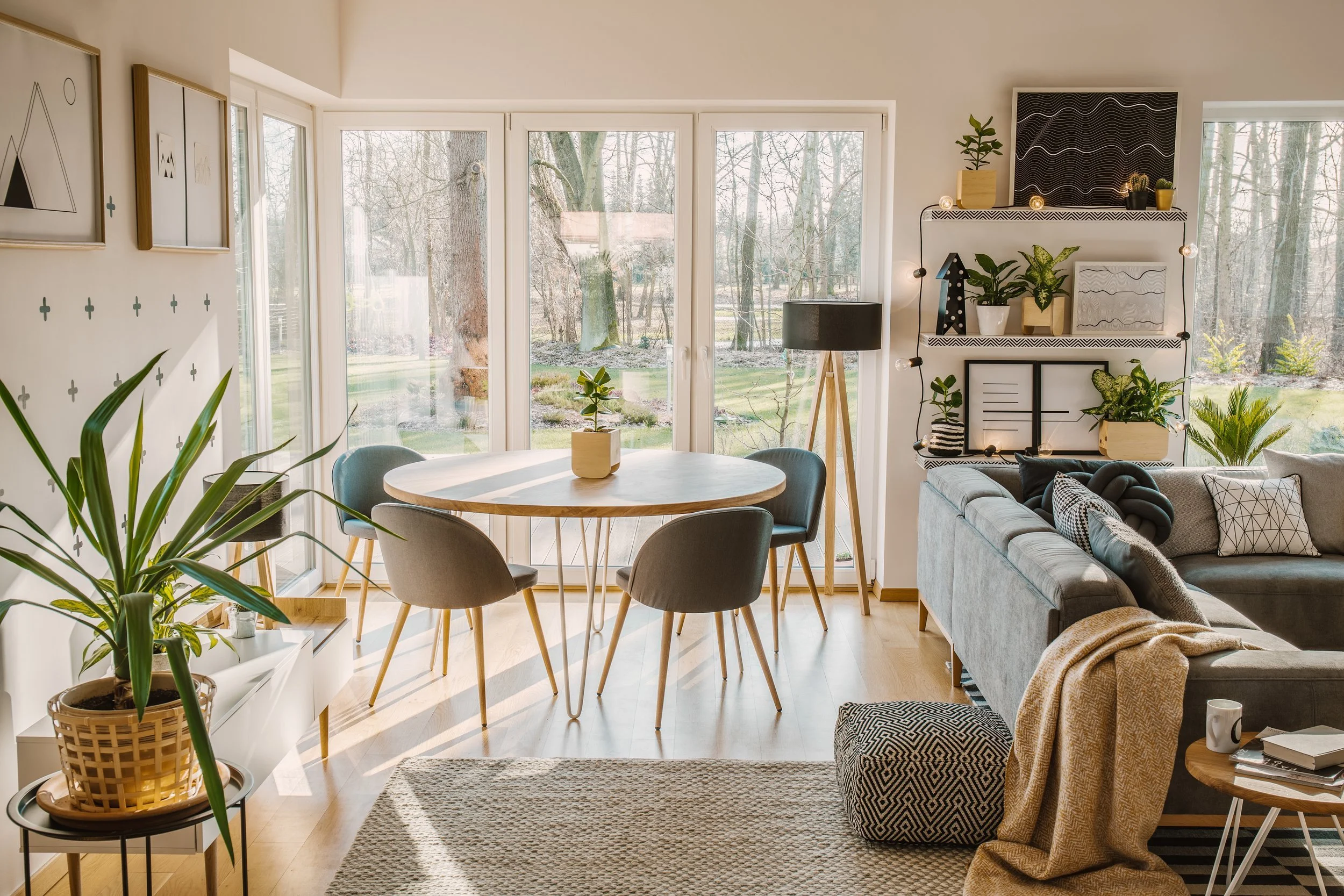
Buyers form their first impression online. In NAR's 2025 Profile of Home Staging, 83% of buyers' agents said staging makes it easier for buyers to picture a property as their future home, and about half of agents said buyers expect homes to look like they were staged for television. Clean, even walls are the backdrop for every one of your listing photos, and scuffed or dated walls show up in every one of them too.
Fresh paint also does work that is easy to overlook. Josh McGrath, a broker who owns Better Homes and Gardens Real Estate Central in West Virginia, told NAR that painting is the most cost-effective upgrade because it covers the most space. Even repainting the walls the same color removes the dents, dings and scuffs and leaves a clean smell instead of years of cooking and pets. He said that if a seller had $1,000 to spend, he would put all of it into paint.
That matches the BHGRE finding that half of homeowners who repaint are refreshing their home rather than changing its color. You do not need a design overhaul. You need walls that tell a buyer the house has been cared for.
What Interior Painting Costs in 2026
According to 2026 data from Angi, reported by NerdWallet, the average homeowner spends about $2,021 to have an interior painted, with most projects running from just under $1,000 to more than $3,000. That average reflects a lot of partial jobs. Priced per square foot, professional interior painting runs $2 to $6, depending on whether trim, ceilings and accent walls are included.
For a whole-home repaint, NerdWallet's estimates by home size look like this: $3,000 to $9,000 for a 1,500 square foot home, $4,000 to $12,000 for 2,000 square feet, and $6,000 to $18,000 for 3,000 square feet. Prices in the Charlotte area move with the season and painters' schedules, so we always suggest getting two or three written quotes with the same scope.
Labor is most of the bill. Angi puts labor at 75% to 95% of a professional interior paint job, and much of that time goes into prep: cleaning, patching, sanding and caulking. Paint itself runs about $15 to more than $60 a gallon and covers roughly 350 to 400 square feet, and primer runs $20 to $60 a gallon for roughly 200 to 300 square feet, per Lowe's figures cited by NerdWallet. You can lower a painter's quote by doing the easy prep yourself, like moving furniture and pulling switch plates and outlet covers.
Which Paint Colors Help or Hurt a Sale
Color matters almost as much as freshness. In the BHGRE poll, 84% of agents said whites, grays and beiges are still the top choices for a home going on the market. More than half named red as the number one dealbreaker, and orange, neon hues, purples and saturated pinks also ranked as buyer turn-offs.
Zillow's 2025 paint color study adds a twist. Its behavioral science team showed more than 4,200 recent and prospective buyers photos of the same home painted in different colors and asked what they would pay. Buyers offered $2,593 more for a dark gray living room, $1,815 more for a navy blue bedroom and $1,597 more for an olive green kitchen. Daisy yellow was the big loser, at $3,915 less in a kitchen and $3,891 less in a living room, and fire hydrant red cost $1,820 in a living room and $1,987 in a bedroom.
How do those fit together? Keep the main living areas in a soft neutral, avoid bright, saturated colors, and know that one deep, muted accent like navy, charcoal or olive can read as current rather than risky. Keep in mind the Zillow figures come from buyers reacting to photos, not closed sales. Zillow itself tells sellers to check with a local agent about what buyers in their neighborhood want, and that is good advice. What sells in a South End townhome is not always what sells on a cul-de-sac in Waxhaw.

When Painting Pays, and When to Skip It
In our experience, paint earns its money when a buyer would otherwise notice the walls. Bold or dated colors, a kid's bedroom in bright pink or lime, scuffed hallways and stairwells, smoke or pet odor, patched holes and water stains are all things buyers mentally price as work they will have to do, and they usually price that work higher than it really costs.
Paint is a weaker bet when the walls are already a fairly fresh neutral, when you are selling to an investor or taking an as-is cash offer, when the home needs a full renovation that a buyer will price in anyway, or when your timeline is so tight that a rushed job would look worse than clean original walls. In those cases, a deep clean and spot touch-ups often do the job.
You also do not have to paint everything. Starting with the rooms that show up first in the listing photos, usually the living room, kitchen, primary bedroom and entry, gets you most of the visual benefit for a fraction of the cost.
Painting an older home
If your home was built before 1978, lead paint rules apply. The EPA requires anyone paid to do work that disturbs painted surfaces in a pre-1978 home to be lead-safe certified. The rule generally does not apply to homeowners working on their own home, but the EPA recommends hiring a certified contractor, and if you do it yourself it recommends following its do-it-yourself lead-safe work practices. Ask any painter you are considering for their RRP certification.
Which Paint Plan Fits Your Home?
Here is a quick way to match the amount of painting to your home and your timeline.
DIY or Hire a Painter?
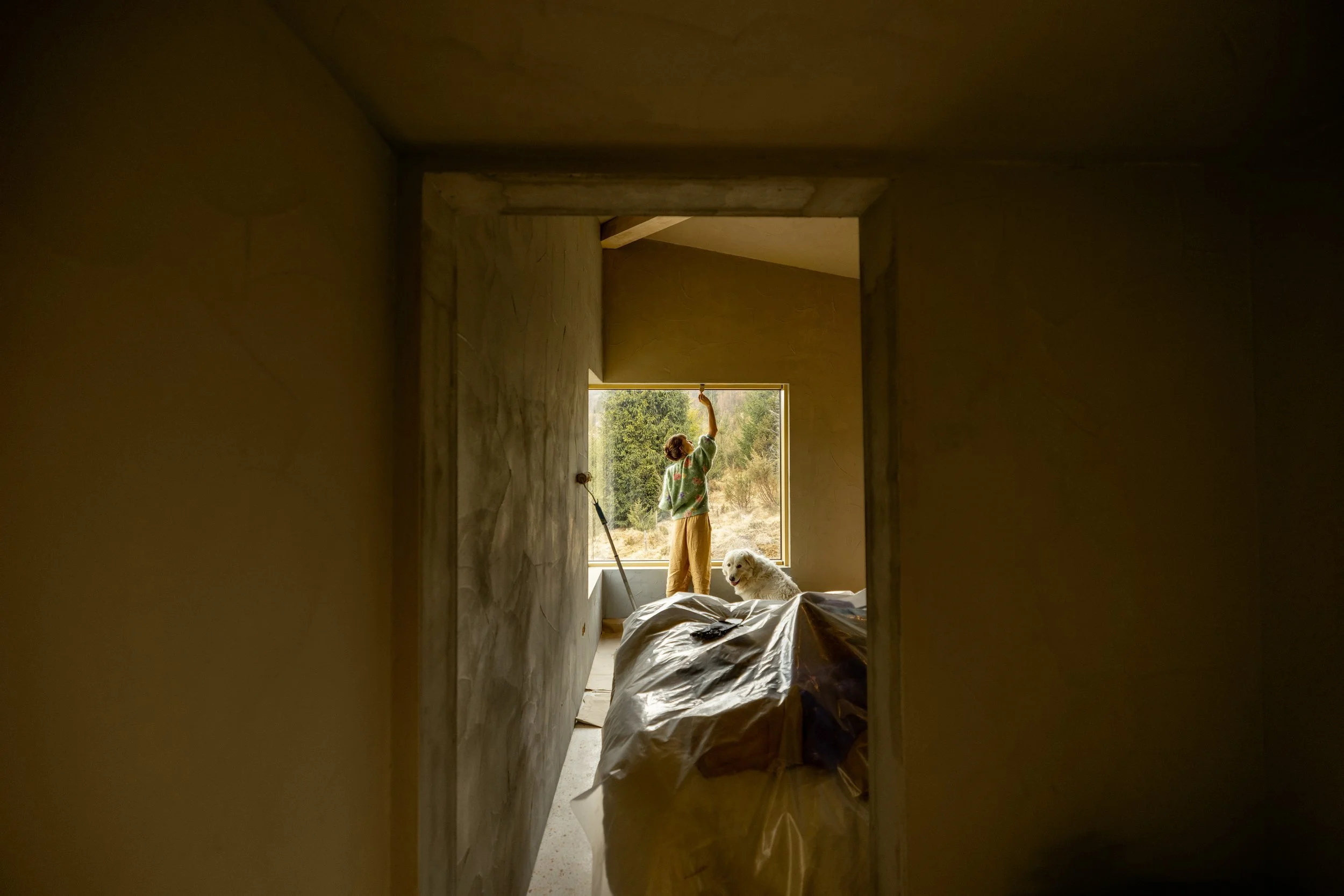
Because labor is 75% to 95% of the cost, painting it yourself can save most of the bill. If you are handy, have time before listing and the job is mostly walls in rooms with standard ceilings, DIY can make sense.
Be honest about the finish, though. Listing photos and showings are unforgiving. Uneven coverage, roller marks, paint on the trim and a ceiling line that wanders can make a home look like a weekend project rather than a well-kept house. Tall foyers, two-story great rooms and stairwells are where we most often see sellers hand the job to a pro.
A middle path works well for a lot of our sellers: do the prep and the small rooms yourself, and have a painter handle the main living areas, ceilings and anything that needs a ladder.
Your Next Step
Before you spend a dollar on paint, it helps to know what your home is worth today and what buyers in your part of Charlotte are responding to. Start with our free home value tool for a quick read on your number.
Then reach out to The Finigan Group using the form below. We will walk through your home with you, tell you honestly which rooms are worth painting and which ones to leave alone, and help you put your money where buyers will notice it.
Sources
NAR: Should I Remodel My Home Before I Sell? (2025 Remodeling Impact Report)
NAR: 12 Remodeling Projects That Offer the Best Value at Resale
Florida Realtors / NAR: Why Fresh Paint Still Rules in Home Sales (September 2025)
Zillow: Ready to Sell? These Paint Colors Can Boost Your Home's Sale Price (June 2025)
Check out these Charlotte Neighborhoods